Colombia’s Inflation Continued to Rise in September
Inflation in Colombia rose again in September, confirming that pressures on the cost of living are still far from disappearing. The Consumer Price Index (CPI) posted an annual increase of 6.29%, higher than the 6.24% recorded in August, in a result that once again put price trends at the center of the country’s economic debate. […]
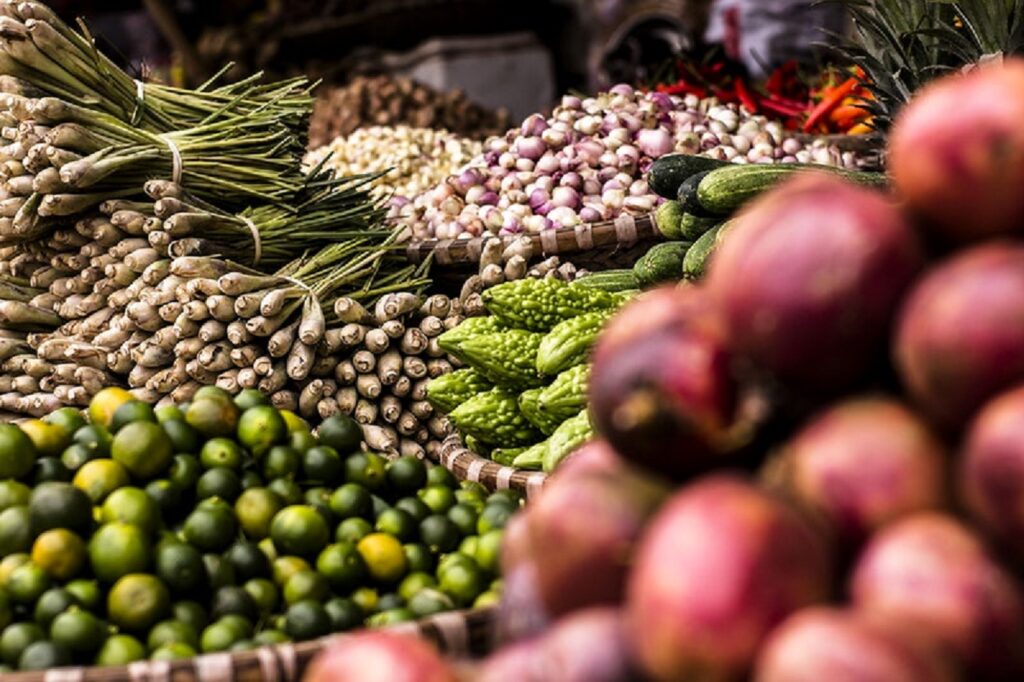
Colombia's inflation continued to climb in September 2026, driven primarily by food and transportation costs, according to the Consumer Price Index (CPI). The annual increase reached 6.29%, surpassing the 6.24% increase recorded in August. This upward trend has reignited debates about the country's cost of living pressures.
The National Administrative Department of Statistics (Dane) reported that the rise was mainly due to expenses related to housing, food, restaurants, transportation, and education. Among these, restaurants and hotels saw the highest increase at 9.44%, followed by health at 7.79%, education at 7.49%, furniture and household goods at 6.75%, and food and non-alcoholic beverages at 6.74%.
Food prices, particularly basic products like potatoes which rose by an unprecedented 78.24%, had a particularly significant impact on households due to their constant presence in family budgets. Fresh fruit also saw a sharp increase of 16.64%, as did beef and beef products at 14.22%. At restaurants, meals rose by 9.44%.
While housing remains one of the key contributors to inflation, its annual increase was below the national average at 5.74%, with rent increasing by 5.12% and imputed rent by 5.03%. Transportation costs also rose by 5.27%, with urban transportation increasing by 10.65%, adding to the financial burden on Colombians. Education costs also saw an increase of 7.49%, pushing up the cost of household services.
The Central Bank noted that higher labor costs, resulting from this year's minimum wage increase, have contributed to rising expenses for labor-intensive companies. Additionally, strong household consumption and public spending have kept domestic demand high, despite inflation. Consequently, the monetary authority decided to raise the interest rate to 12.25%, following similar decisions by the Federal Reserve in the U.S. and the European Central Bank in the European Union.
Despite these measures, Colombia's inflation remains well above the central bank's target of 3%, a level the governor acknowledged will not be achieved in 2027.
Written by urgent.news from Colombia One's reporting — not their text. Machine-written — may contain errors; check the original before relying on it.