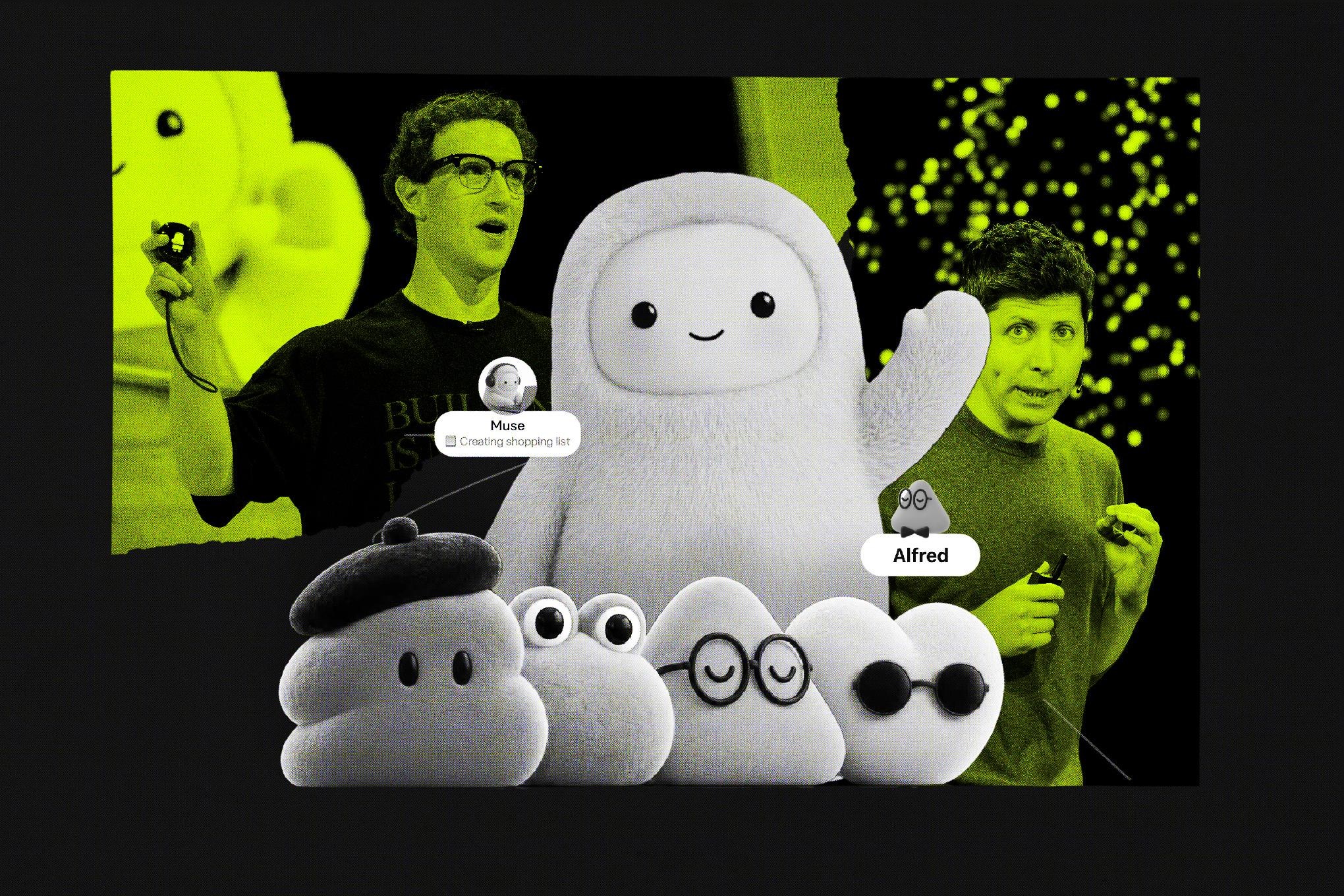
Can China match up with Meta’s Muse in race to harness AI agents?
Meta Platforms’ breakout Muse personal AI agent is shining a spotlight on a new battleground in artificial intelligence – one in which China’s biggest internet companies are already jostling for position. Launched on September 8, Muse surpassed 2.5 million downloads in its first two weeks and topped free-app rankings on Apple and Google’s US app stores. Its popularity has drawn fresh attention to…
Meta's innovative Muse AI agent has captured widespread attention, sparking a new race among China's leading internet conglomerates to develop their own agent solutions. Unlike traditional chatbots, agent harnesses like Muse possess persistent memory, tool access, and the ability to autonomously execute complex tasks. This differentiation has drawn the interest of financial analysts who predict that the future value of the AI sector could shift towards these software layer agents, rather than just foundational models.
Chinese tech giants Tencent and Alibaba, whose ecosystems span messaging, payments, e-commerce, workplace software, and cloud computing, are actively pursuing agent strategies to capture market share. Tencent's WorkBuddy workplace agent has already established a leading position among third-party productivity harnesses in China, while Alibaba is focusing on enterprise applications through its QwenWork, DingTalk, Taobao, and Alibaba Cloud platforms.
ByteDance's Feishu platform presents another potential contender with its hyperscaler capacity to expand into enterprise agents.
Local start-ups are also joining the race, with Manus, founded in China and briefly part of Meta before resuming independent operations, unveiling its personal-agent model, Manus 2.0, complete with a new agent harness called Cascade and a dedicated personal-agent app called Cue. Despite the growing competition, Bank of America analyst Winnie Wu cautioned that replicating Meta's Muse model in China's "guarded" mobile internet ecosystems could prove challenging.
Tasks typically performed by agents, such as accessing WeChat or Alipay, may require access that rival platforms cannot easily provide. Additionally, user behavior in China indicates less willingness to pay for recurring software subscriptions, raising questions about monetization strategies. Lastly, the computational power required by agents like Muse poses a significant cost constraint in China compared to conventional chatbots.
Written by urgent.news from SCMP Tech's reporting — not their text. Machine-written — may contain errors; check the original before relying on it.