Big dogs age faster at an epigenetic level, new study finds
A new study that tracked dogs' aging by reading tiny chemical tags on their DNA found that larger dogs aged more quickly.
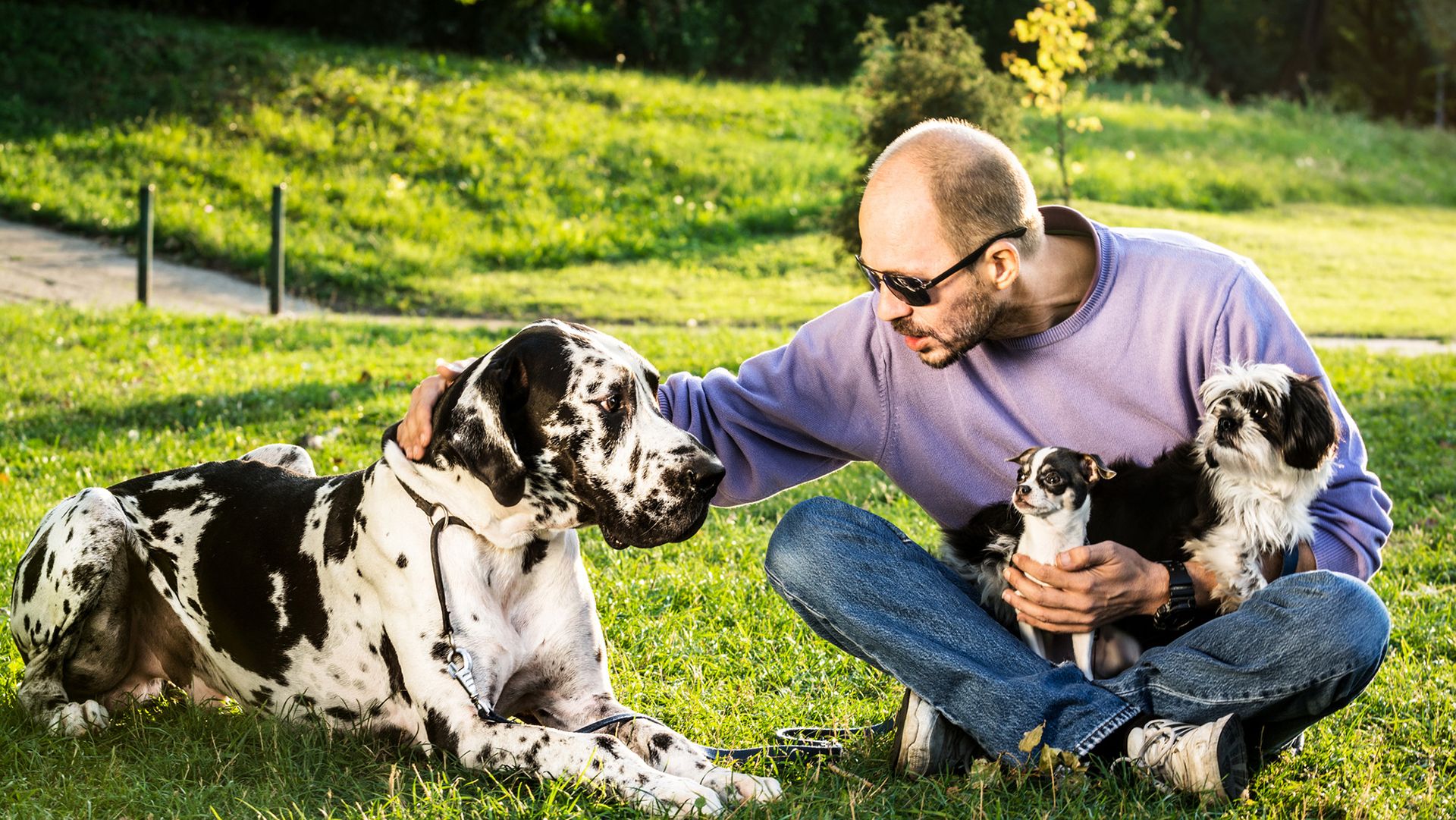
Recent research has unveiled a potential explanation for why larger dog breeds tend to age faster than their smaller counterparts. A new study published in the journal Science examined the methylome, or chemical code on top of a dog's DNA. This methylome consists of methyl groups, which can act as roadblocks to the process of turning DNA's information into proteins.
The researchers discovered that dogs with older-than-expected epigenetic ages due to changes in DNA methylation had a higher risk of death from any cause. Analysis revealed that big dogs were aging slightly faster per year of life than small dogs. One of the key epigenetic changes linked to larger body size was the loss of methyl groups at regions of DNA called transposable elements, or "jumping genes".
These genes can potentially move around the genome, but methyl groups help keep them in check. When this methylation is lost, jumping genes can become too active, damaging other genes and causing inflammation, a key process that accelerates with age. In aging dogs, the team found that certain regions of the genome with few chemical tags became more methylated, while other areas with methyl groups gradually lost them.
Additionally, the dogs' immune cells appeared to become more similar to one another as they aged, a phenomenon the researchers termed "loss of cell identity". This loss of specialized roles among immune cells could contribute to the overall aging process. The study's lead author, Blaise Mariner, suggested that the push for large body size in big dogs may have come at a cost, requiring the body to balance rapid growth and maintenance against the investment in the immune system and organism integrity.
The researchers plan to build more informative epigenetic clocks as the Dog Aging Project recruits more dogs for longer follow-up periods. They hope to develop predictive models that could help dog owners anticipate their pets' age-related health concerns, ultimately translating this knowledge to humans who share similar environments with their canine companions.
Written by urgent.news from Live Science's reporting — not their text. Machine-written — may contain errors; check the original before relying on it.