Average 73% decline in wildlife population sizes between 1970 and 2022: WWF report
A recent report by the World Wide Fund for Nature (WWF) has revealed an astonishing 73% average decline in wildlife population sizes between 1970 and 2022, as measured in the biennial Living Planet Report. This decline, tracked by the Living Planet Index (LPI), reflects a concerning trend across monitored vertebrate populations, including mammals, fish, birds, and amphibians.
The report attributes the decline to a multitude of factors, such as habitat loss and degradation, overexploitation of resources, climate change, invasive species, pollution, and disease. However, it is not just a tale of woe; the report also highlights the potential for nature to bounce back with the right interventions. The single largest driver of biodiversity loss, according to the report, is the way humans produce and consume food.
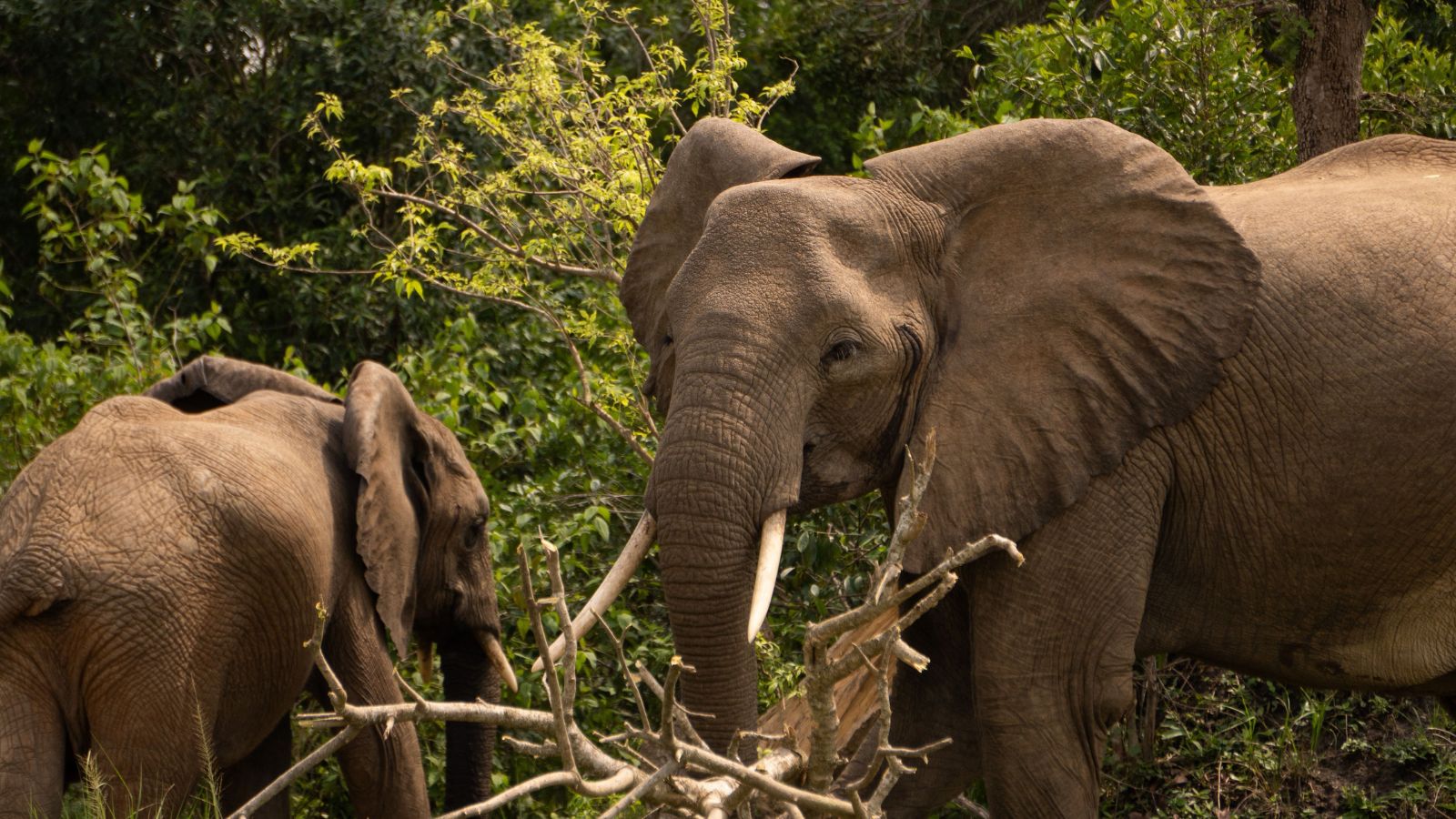
Despite the grim statistics, the Living Planet Index shows that half of the monitored populations are stable or increasing, providing hope that targeted conservation efforts can yield positive results. The report cites examples of successful recoveries in populations of green turtles, bluefin tuna, tigers, and southern African elephants, underscoring the power of concerted conservation action.
Written by urgent.news from The Indian Express - India's reporting — not their text. Machine-written — may contain errors; check the original before relying on it.
This story
This is one outlet's version. Read the fullest account.