Average 73% decline in wildlife population sizes between 1970 and 2022: WWF report
A staggering 73% reduction in the size of monitored wildlife populations occurred over a 52-year span from 1970 to 2022, according to the World Wide Fund for Nature's (WWF) Living Planet Report, 2026. This average decline, as measured by the Living Planet Index (LPI), reflects the relative abundance of vertebrate species, such as mammals, fish, birds, and amphibians, rather than the actual number of individuals or lost populations.
The primary factors contributing to this decline include habitat loss and degradation, overexploitation of resources, climate change, invasive species, pollution, and disease. The food and agriculture system emerges as the leading driver of biodiversity loss, responsible for habitat destruction, overharvesting, and significant greenhouse gas emissions.
Despite the grim outlook, the report also highlights the potential for nature to rebound if societal actions align with a clear pathway towards positive tipping points in energy, food, and finance systems that drive biodiversity loss. Ravi Singh, Secretary General and CEO of WWF-India, emphasizes that recoveries are not only possible but have been demonstrated in cases such as the resurgence of tiger populations in India and globally.
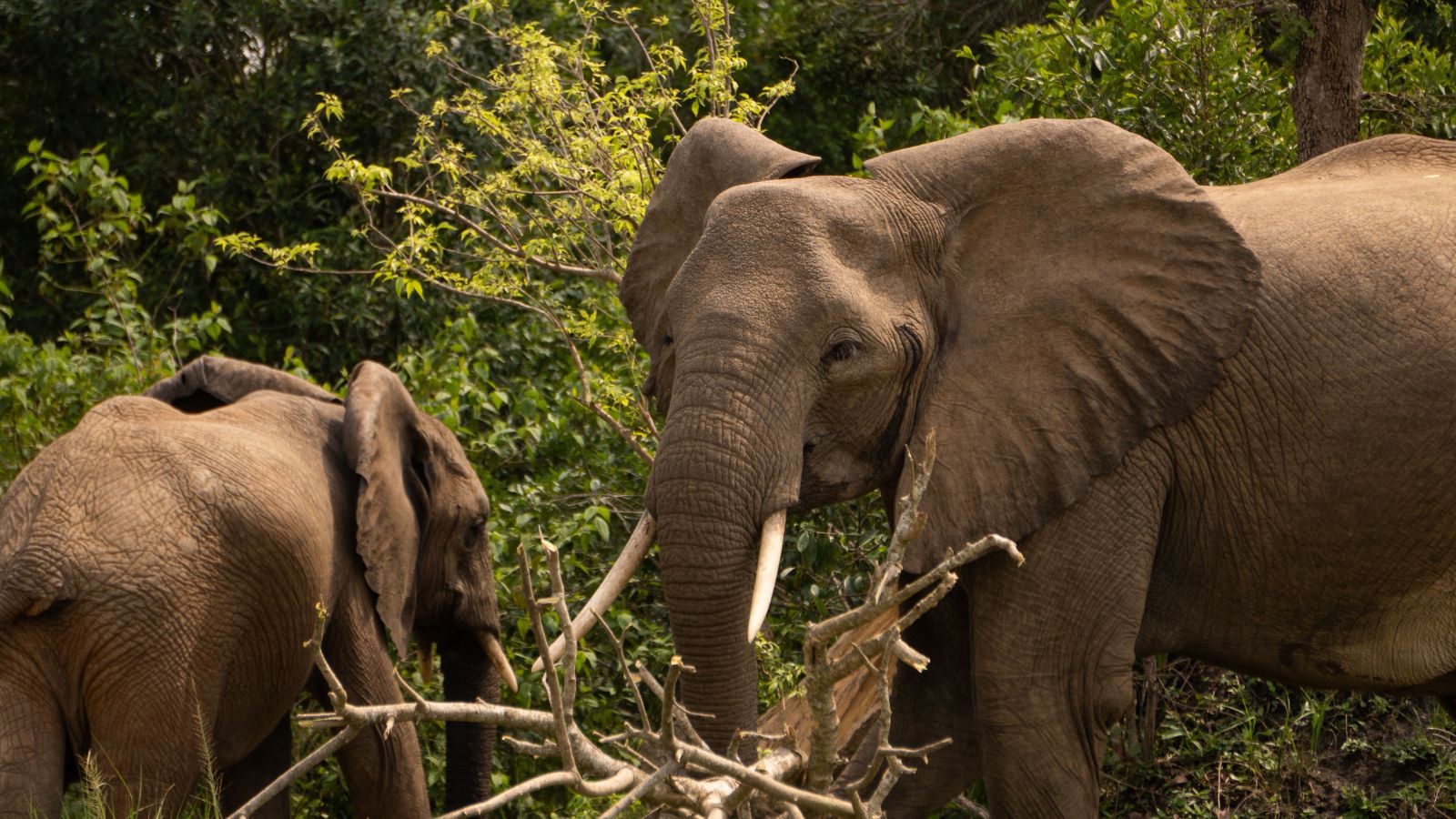
The Living Planet Index, compiled by the Zoological Society of London, encompasses 35,803 population trends of 5,790 vertebrate species from 1970 to 2022. Freshwater ecosystems experienced the most severe declines, with a 85% drop, followed by terrestrial ecosystems at 69% and marine ecosystems at 59%. However, the report acknowledges that half of the populations included in the LPI are either stable or increasing, with examples including green turtles, bluefin tuna, tigers, and southern African elephants.
These recoveries underscore the effectiveness of targeted conservation interventions in achieving tangible results. The report also reports a rise in global wild tiger numbers from 3,200 in 2010 to approximately 5,700 individuals by 2025.
Written by urgent.news from The Indian Express's reporting — not their text. Machine-written — may contain errors; check the original before relying on it.