AI breakthroughs in robotics won’t change your life any time soon
The story is a collaboration between MIT Technology Review and Aventine, a non-profit research foundation that creates and supports content about how technology and science are changing the way we live. A robot shaped like a human—white with a black head and torso—has been popping up on video feeds. Perhaps you’ve seen it dance or…
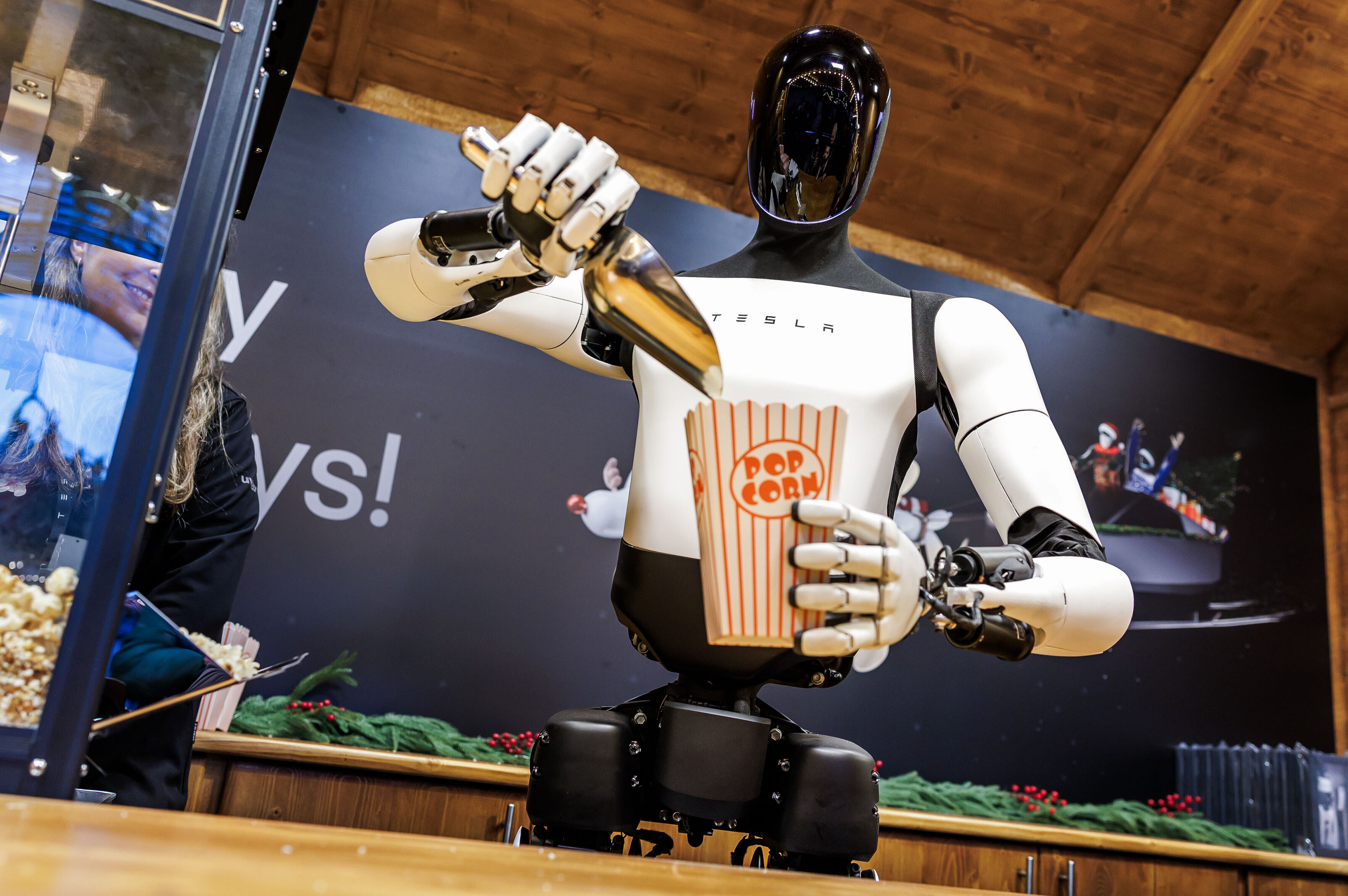
The story features a reportage from sources by MIT Technology Review in collaboration with Aventine. A human-like robot developed by Tesla named Optimus has been observed performing various tasks such as dancing, passing popcorn, and vacuuming. The CEO of Tesla, Elon Musk, believes that Optimus could be the biggest product the company has ever made and possibly the biggest product ever.
Musk anticipates that the robot could be available to the public by the end of 2027 and could automate almost all human labor, costing as little as $20,000 each. Similar predictions have been made by other industry leaders such as Marc Andreessen and Jensen Huang, who believe that humanoid robots could match human-level ability this year.
However, robotics researchers are skeptical about these claims, arguing that humanoid robots might not be as smart as expected due to the challenges of using AI built on language and images to master the infinite variability of the physical world. According to Yann LeCun, many companies working on humanoid robots do not have the necessary intelligence to make them useful.
The article also highlights the difference between humanoid robots and generalist machines, with the latter being far more challenging to create. Researchers point out that while it is easy to make a robot that looks like a person, making a machine that moves or behaves dynamically like a person is much more difficult. Despite the skepticism, progress is being made in robotics labs across the country, with researchers believing that an equally transformative revolution in robotics is possible.
Written by urgent.news from MIT Technology Review's reporting — not their text. Machine-written — may contain errors; check the original before relying on it.