19 kes libat 12 ahli politik diberi DNAA sejak 2010
Menteri undang-undang minta Ahli Parlimen rujuk AGC sekiranya memerlukan butiran atau maklumat lanjut berhubung kes tertentu.
In Malaysia, 19 legal cases involving 12 prominent political figures have been granted conditional discharge (DNAA) from 2010 to July 2026, according to Minister of Prime Minister's Department (Law and Institutional Reform) Azalina Othman Said. Responding to a query from Malaysian opposition party Pengkhilangan (PH-Labis), the minister clarified that the figure is based on information received from the Chief Registrar of the Federal Court, and does not name the 12 individuals or the specific charges.
Instead, she urged PH-Labis to consult the State Attorney's Office, which holds the records related to the original charges, for further details if needed. DNAA does not equate to acquittal, but a person granted DNAA can still be charged again on the same charges if the prosecution decides to do so based on new facts, evidence, and developments.
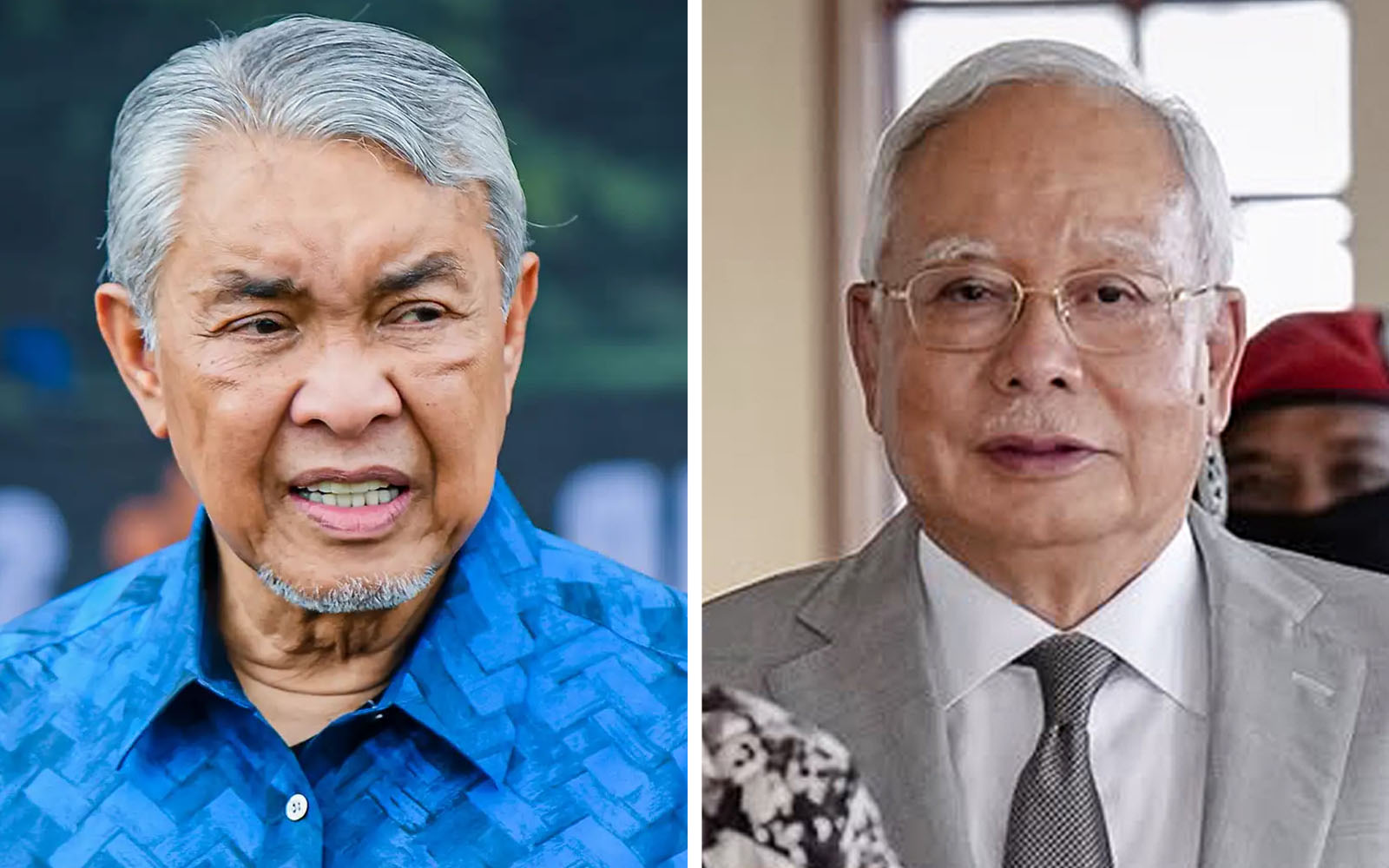
Recent cases that have garnered attention include those involving Umno President Zahid Hamidi, who was granted DNAA and acquitted of 47 charges including breach of trust, bribery, and embezzlement of holy funds, in 2023. Another high-profile case involves former Prime Minister Najib Razak, who received DNAA and was acquitted of charges related to embezzlement involving SRC International in 2025.
Written by urgent.news from Free Malaysia Today's reporting — not their text. Machine-written — may contain errors; check the original before relying on it.
Also reported by 1 other outlet
- 19 kes libat 12 ahli politik diberi DNAA sejak 2010 freemalaysiatoday.com