Windows and Surface event: how to watch and what to expect
Microsoft is heading to San Francisco this morning to reveal what's coming next for Windows and Surface and a "conversation on how local AI will shape the next chapter of the PC." That conversation will include Microsoft CEO Satya Nadella, Nvidia CEO Jensen Huang, and Windows and Surface chief Pavan Davuluri. I'm expecting to hear […]
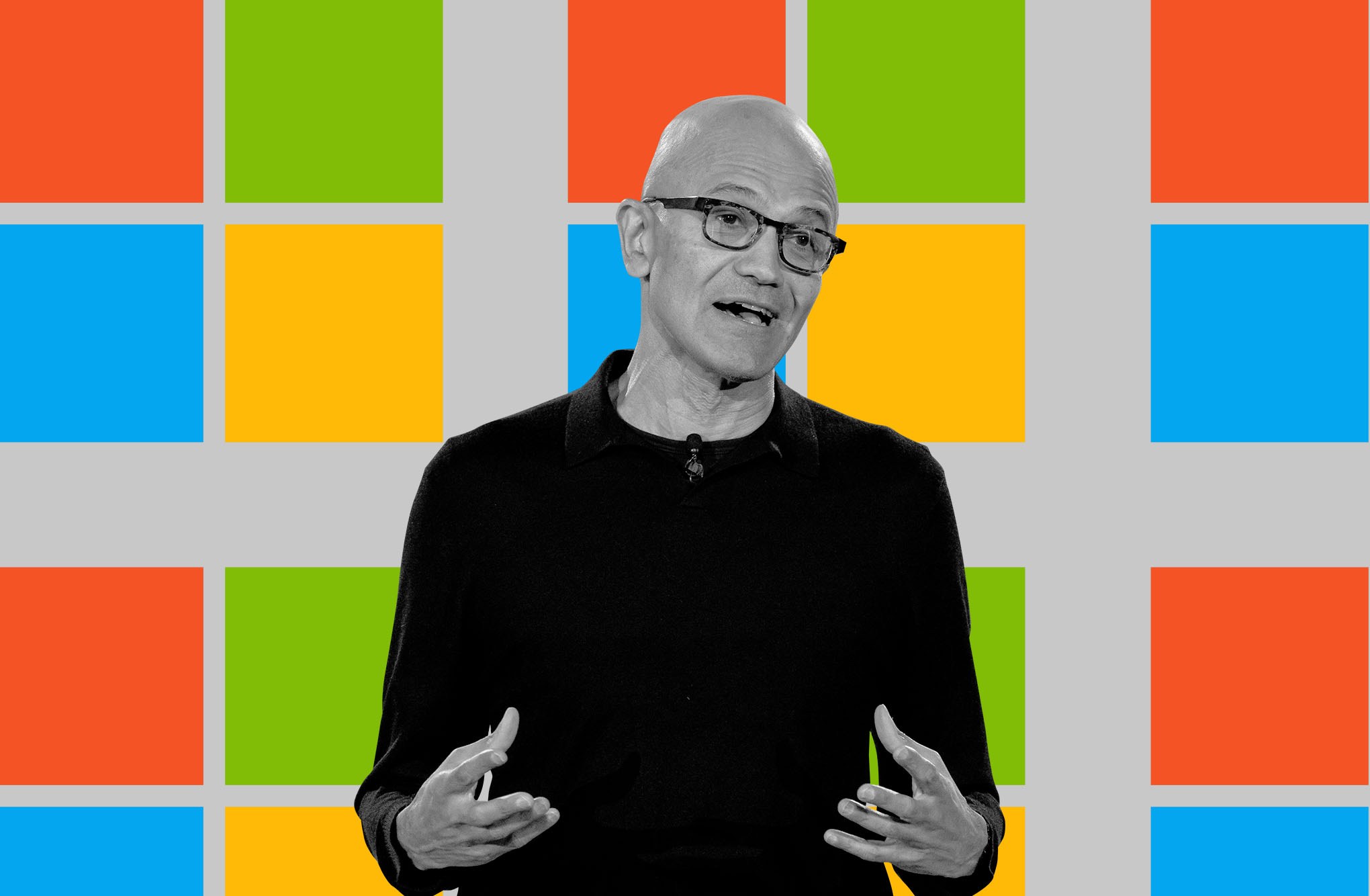
Microsoft is holding a Windows and Surface event in San Francisco. The event will start at 10AM PT / 1PM ET on Wednesday, October 7th.
Microsoft CEO Satya Nadella, Nvidia CEO Jensen Huang, and Windows and Surface chief Pavan Davuluri will be in attendance. According to The Verge, the conversation will focus on how local AI will shape the next chapter of the PC.
The event is expected to feature the Surface Laptop Ultra, powered by Nvidia's new Arm-based chips. TechSpot reports that Nvidia unveiled its RTX Spark platform in June, which combines a high-performance CPU and GPU. The Surface RTX Spark Dev Box could also make an appearance at the event.
Brief written by urgent.news from The Verge, TechSpot — 2 reports on this story. Machine-written — may contain errors; check the original before relying on it.
This story
This is one outlet's version. Read the fullest account.