Why rediscovering extinct species can actually be a bad thing
Finding that long-lost plants and animals are still alive often isn’t an unmitigated cause for celebration, says evolutionary biologist Aelys Humphreys. To get to grips with the true scale of species loss, we need to completely change how we think about extinction
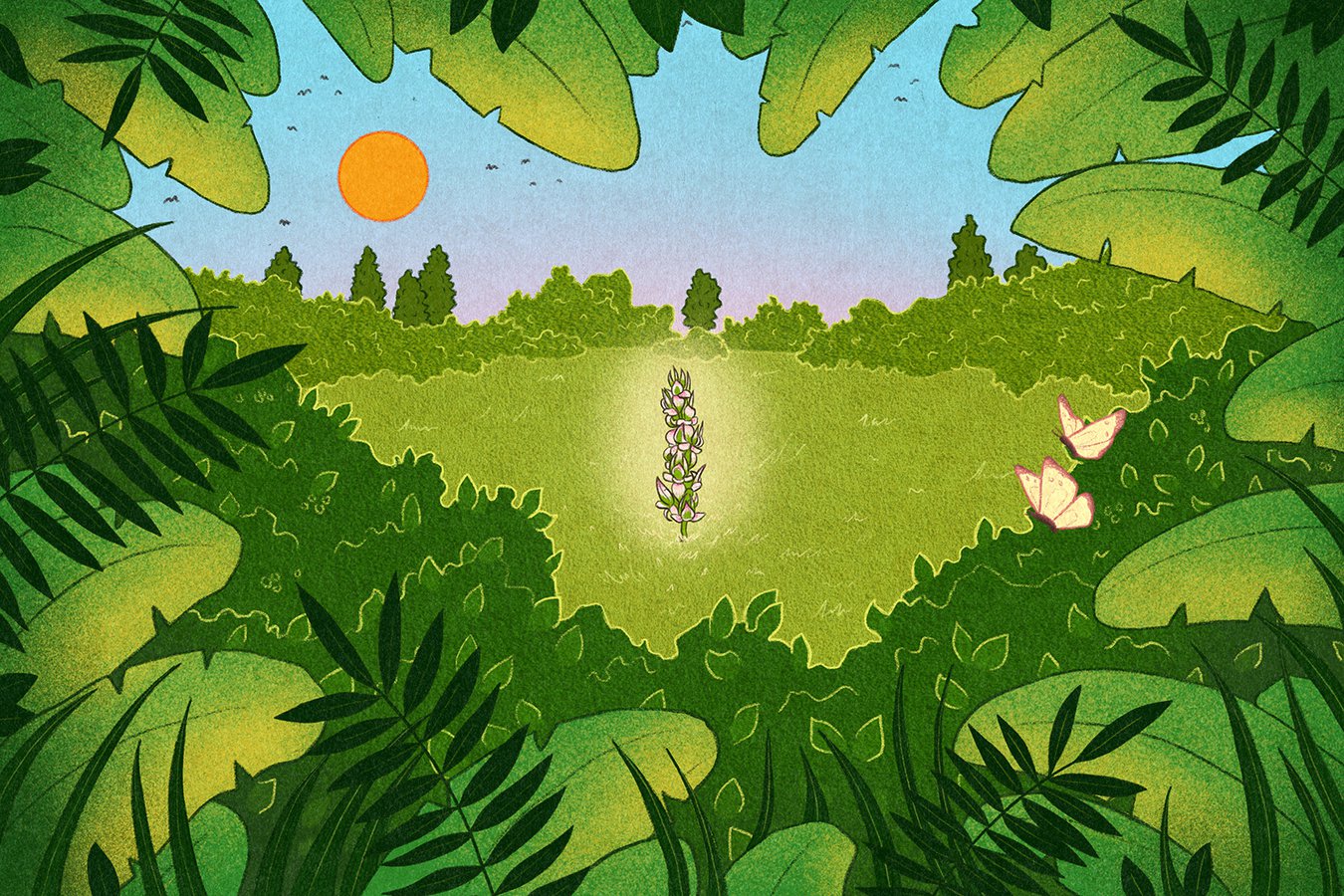
There are tens of thousands of orchid species on Earth, making them the second most diverse plant family. Their success is due to intricate relationships with specific pollinators and fungi. However, when these relationships are disrupted, orchids face extinction risks. In 2020, the mignonette leek orchid, unseen since the 1930s, was rediscovered.
While this is a cause for celebration, evolutionary biologist Aelys Humphreys sees it as a failure. She argues that rediscoveries demonstrate a flaw in how we declare species extinct, leading to underestimation of global extinction rates. New Scientist spoke with Humphreys about the nuances of extinction, emphasizing the need to move beyond binary thinking.
Rediscoveries highlight the difficulty in proving absence and the challenges in declaring species extinct, as well as the high rate of "dark extinction" where species go extinct without being documented.
Written by urgent.news from New Scientist's reporting — not their text. Machine-written — may contain errors; check the original before relying on it.