When Compliance Workarounds Backfire
John Holcroft/Ikon Images In 2021, Barcelona-based delivery platform Glovo was faced with a law that threatened its business model. Spain had passed the Rider Law, which introduced a presumption of employment when a digital platform organizes, directs, or controls couriers’ work, including through algorithmic management. Glovo came up with what seemed like a clever fix […]
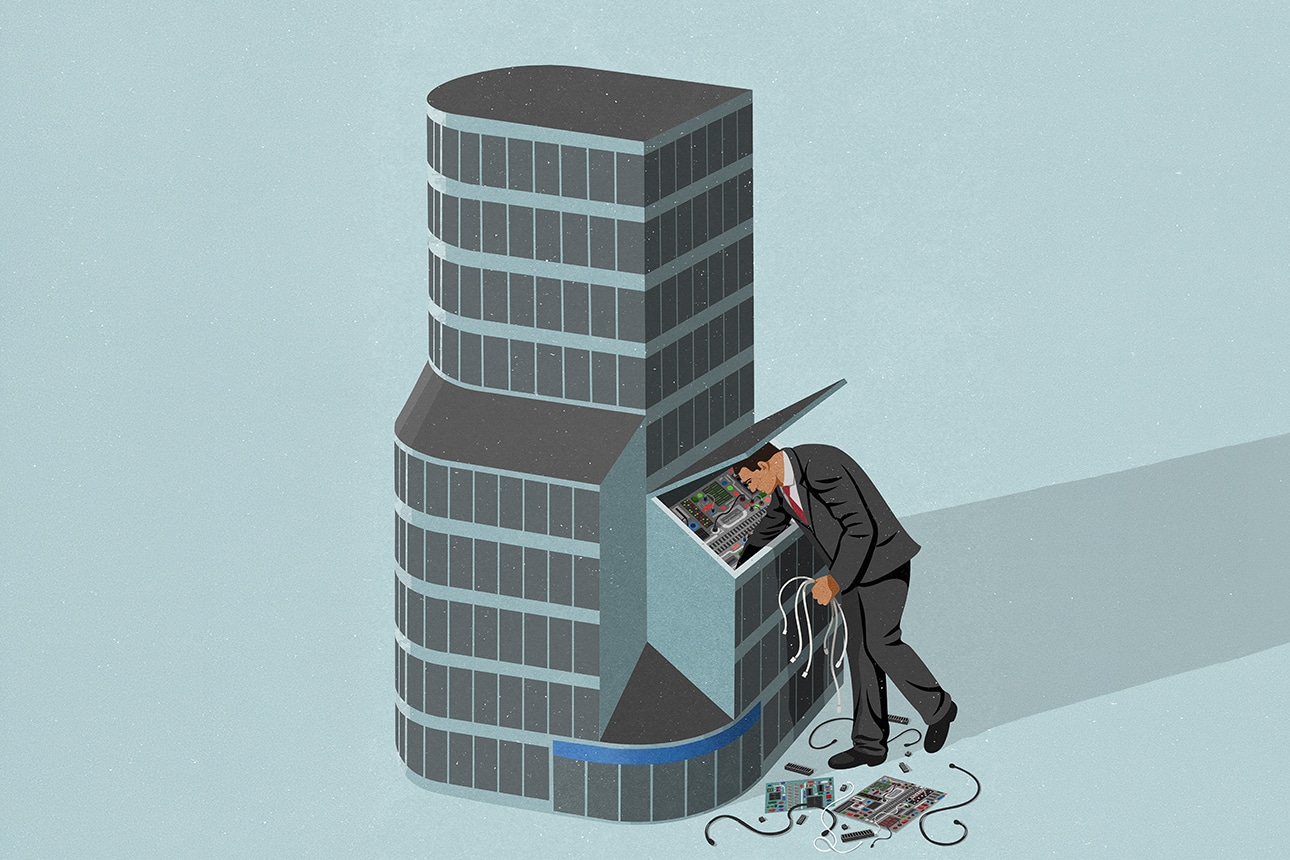
In 2021, Glovo, a Spanish delivery platform, faced a tough law known as the Rider Law. This law presumed that couriers working for digital platforms were employees, rather than independent contractors. To avoid being classified as employees, Glovo came up with a clever workaround. They redesigned their app to give couriers more autonomy, allowing them to log in and out freely, reject orders without penalties, and choose a daily rate multiplier.
However, three years later, it became clear that this workaround had failed. Glovo and its parent company, Delivery Hero, announced plans to hire approximately 15,000 couriers as employees in Spain, which would incur significant financial costs. By this time, the workaround had only delayed the inevitable reclassification the company had sought to avoid.
During this period, couriers protested lower earnings, and Glovo faced mounting employment-related penalties and even a criminal case. Glovo's response to unwanted regulation was to engage in minimal compliance, which involves making only the narrowest changes necessary to satisfy a rule while preserving the existing business model.
However, as algorithms become increasingly embedded in business operations, this approach can become a trap. Leaders often default to workarounds or temporary fixes because they allow them to maintain the existing business model while avoiding costly redesigns. But this often leads to what is called the algorithmic compliance trap.
As demonstrated by Glovo's case, in algorithmic businesses, such fixes expand the audit surface, increase internal complexity, and invite scrutiny that can ultimately push the company towards the very redesign it was trying to avoid.
Written by urgent.news from MIT Sloan's reporting — not their text. Machine-written — may contain errors; check the original before relying on it.