What Nur Sharina saw behind the gates of Henry Gurney School
The lecturer’s work reveals how trauma and fractured family relationships can shape young offenders - and how the right support can help them change.
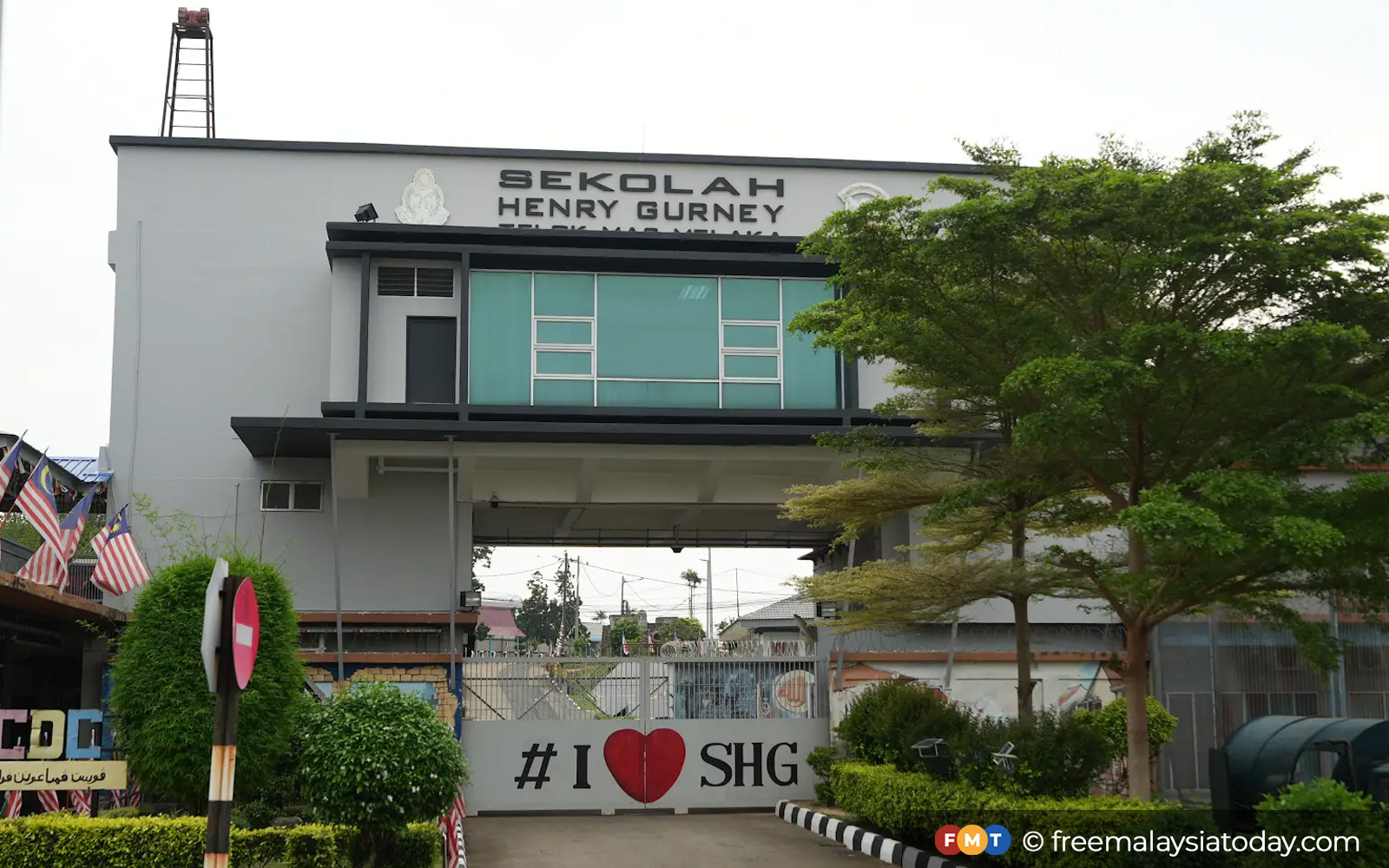
In 2016, lecturer Nur Sharina Cik Ibrahim made her first visit to Henry Gurney School, a juvenile rehabilitation facility under the prisons department in collaboration with the education ministry. Set in various locations across Malaysia, the school provides formal education to young offenders. Upon entering, Sharina was greeted by hundreds of female residents who warmly welcomed her. Instead of the troubled youths she expected, she encountered polite and beautiful girls.
Sharina, a senior lecturer at a university in Cyberjaya, decided to conduct a PhD research on psychological interventions for juvenile offenders. The study involved 10 residents who participated in the therapy. One resident, a teenager, revealed that she wished to kill her mother. Initially, her mother was not allowed to visit, but after therapy, the girl changed her mind and wanted to meet her mother. When they met, the teenager embraced her mother.
Sharina noticed that the residents, who were often labeled as "bad" or "troubled kids," were simply children. She gave them diaries to write about their feelings, which initially contained expressions of violence, anger, and hatred. However, as therapy progressed, the tone of their writings shifted. By the final weeks, the residents were writing about their future plans.
Her research highlighted the impact of trauma stemming from family issues such as lack of love and attention. One former resident, now a psychology student, demonstrated how the therapy helped her overcome her past. She received an excellence award at the student's ceremony, hugged Sharina, and expressed her gratitude for the opportunity to rebuild her life.
However, Sharina noted that reintegration into society remains a challenging process for former residents. She questioned why adults are often willing to seek forgiveness but struggle to extend the same acceptance to young offenders.
Written by urgent.news from Free Malaysia Today's reporting — not their text. Machine-written — may contain errors; check the original before relying on it.
This story
This is one outlet's version. Read the fullest account.
- Di sebalik pagar Henry Gurney, pensyarah temui remaja dengan luka terpendam freemalaysiatoday.com