Up to 30 per cent of cotton area under ‘illegal’ GM hybrids, finds study
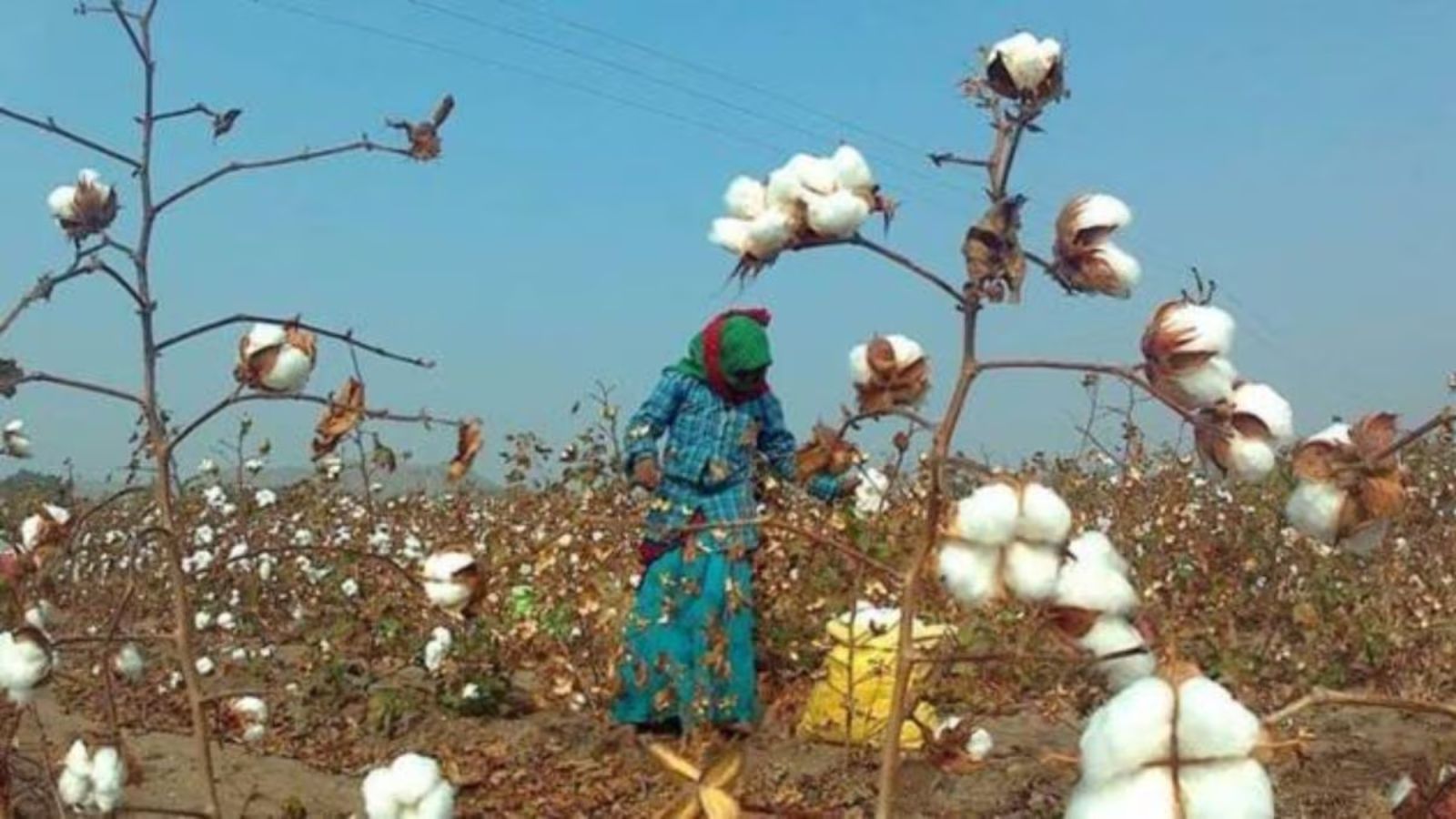
A recent study reveals that a significant portion of India's cotton cultivation may involve illegal genetically modified (GM) hybrids containing unauthorized traits. Out of the 114.8 lakh hectares (lh) of land sown with cotton in 2025-26, 26.2-29 lh, or 24-30%, are estimated to be occupied by hybrids harboring unapproved herbicide-tolerant (HT) or Bacillus thuringiensis (Bt) genes.
Only GM cotton hybrids/varieties with cry1Ac and cry2Ab genes, which originate from the Bt bacterium, are permitted in India. These genes produce proteins toxic to certain bollworm insect pests. The study, conducted by the Federation of Seed Industry of India (FSII) and National Seed Association of India (NSAI), analyzed 227 geo-tagged seed/leaf samples collected from 984 farmers across 16 districts in Maharashtra, Telangana, Andhra Pradesh, and Rajasthan.
The Hotspots districts were selected based on glyphosate sale trends, farmer interactions, and seed market intelligence. The study discovered that the HT cp4-epsps gene, which allows glyphosate herbicide to be used on cotton, is present in 72.69% of the field samples, with concentrations as high as 88.64% in Telangana, 70.92% in Maharashtra, 62.86% in AP, and 57.14% in Rajasthan.
This indicates a widespread adoption of HT technology by farmers for weed management, despite its unapproved status. The demand for unapproved HT gene technology has risen due to a shortage of labor and high manual weeding costs. The study also found that 53.74% of the 227 field samples tested positive for the Vip3 Bt gene, which provides insect resistance and is effective against the pink bollworm pest.
Rewritten by urgent.news; may contain errors — check the original.
Other reports of this story
- Up to 30 per cent of cotton area under ‘illegal’ GM hybrids, finds study indianexpress.com