Africa’s monitored wildlife populations declined 80% since 1970, new report says
Africa’s monitored wildlife populations have declined an average of 80% since 1970, according to a new global assessment. The report also points to pockets of recovery where conservation efforts have been maintained over decades. The report on the decline in the average size of monitored populations was released Oct. 8 in the Living Planet Report […]
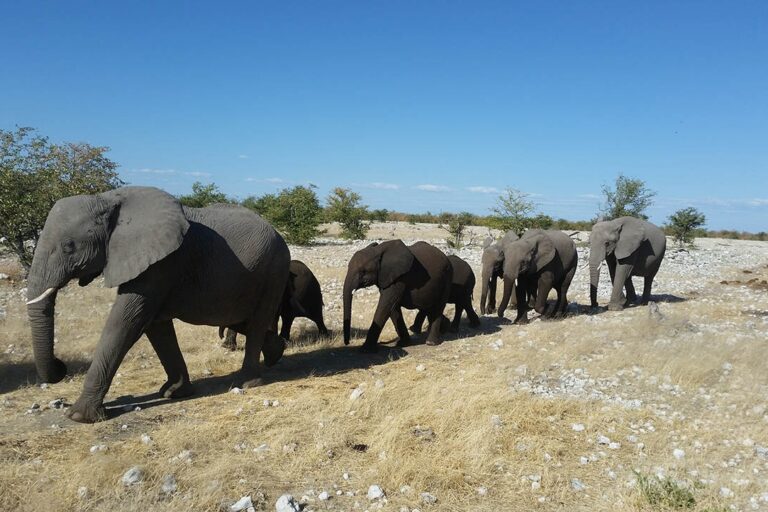
A new global assessment reveals that Africa's monitored wildlife populations have plummeted by an average of 80% since 1970, according to the Living Planet Report 2026. The report, released on October 8, evaluated monitored populations of mammals, birds, fish, reptiles, and amphibians from 1970 to 2022. This decline is compared to a global average of 73% decline and a regional peak in Latin America and the Caribbean, where wildlife populations dropped by 95%.
This assessment arrives as governments prepare to evaluate their progress on the Kunming-Montreal Global Biodiversity Framework, which aims to halt human-induced extinctions, support the recovery of threatened species, and conserve at least 30% of the world's land, inland waters, and seas by 2030. The Living Planet Index, managed by the Zoological Society of London in collaboration with the World Wide Fund for Nature (WWF), monitors changes in the average size of monitored populations.
The index, however, does not imply that Africa has lost 80% of its wild animals or wildlife species, as habitat destruction and degradation are the primary threats to the wildlife populations worldwide, followed by overexploitation, climate change, pollution, disease, and invasive species.
Written by urgent.news from Mongabay's reporting — not their text. Machine-written — may contain errors; check the original before relying on it.