Trump’s tariffs were meant to shrink the trade deficit— but the $106 billion gap just reached its widest since before ‘Liberation Day’
The Trump administration has called the trade deficit a “national emergency,” but economists say it’s actually a sign of a resilient American economy.
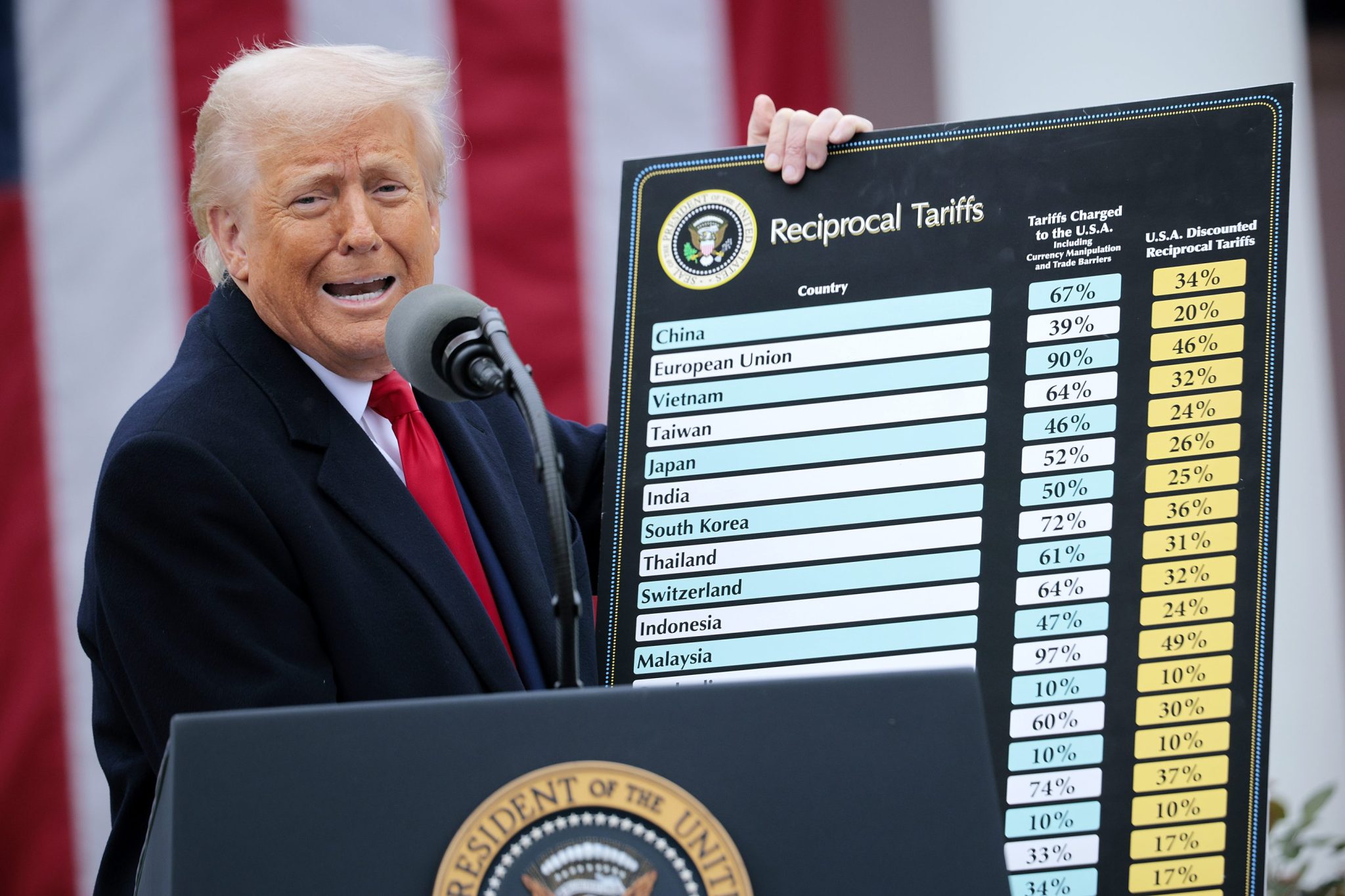
During President Donald Trump's announcement on "Liberation Day" in April 2025, the new tariffs were intended to reduce the United States' trade deficit—when a country imports more goods than it exports. However, 17 months later, the trade deficit has not only not decreased but has expanded to its widest level since before Liberation Day.
The Bureau of Economic Analysis reported that the trade deficit grew by 13.7% from July to August, reaching $105.6 billion, the highest since March 2025's $140 billion. While imports increased by 4.3% to $420.8 billion, exports rose but at a slower rate, increasing 2.2% to $205.7 billion. Experts attribute the rising deficit mainly to the rapid growth of the AI industry, leading to elevated demand for overseas hardware and a $200 billion surge in the U.S. trade deficit in April, according to the Federal Reserve Bank of Minneapolis.
Donald Boudreaux, an economics professor at George Mason University, stated that the AI boom not only boosts demand for imported hardware but also generates optimism among American businesses about future productivity gains, prompting them to continue importing tariffed goods despite higher costs. Tarek Hassan, a professor of economics at Boston University, explained that while tariffs are a key component of Trump's administration strategy, they have not achieved the desired reduction in the trade deficit due to their volatile nature and uncertainty in supply chain adjustments.
The continued investment from other countries in the U.S., including through global investments in U.S. equities, is what makes the trade deficit beneficial, as it brings dollars back to the U.S. and indicates a healthy American economy.
Written by urgent.news from Fortune's reporting — not their text. Machine-written — may contain errors; check the original before relying on it.