Growth hinges on local reforms, not protectionism: Indermit Gill
The country has strong domestic consumption, relatively low private-sector debt and favourable demographics, along with rapidly expanding digital and physical infrastructure. But the growth opportunity is conditional: The transition should be driven by domestic reforms rather than protectionism, Gill, a former chief economist and senior vice president for development economics at the World Bank…
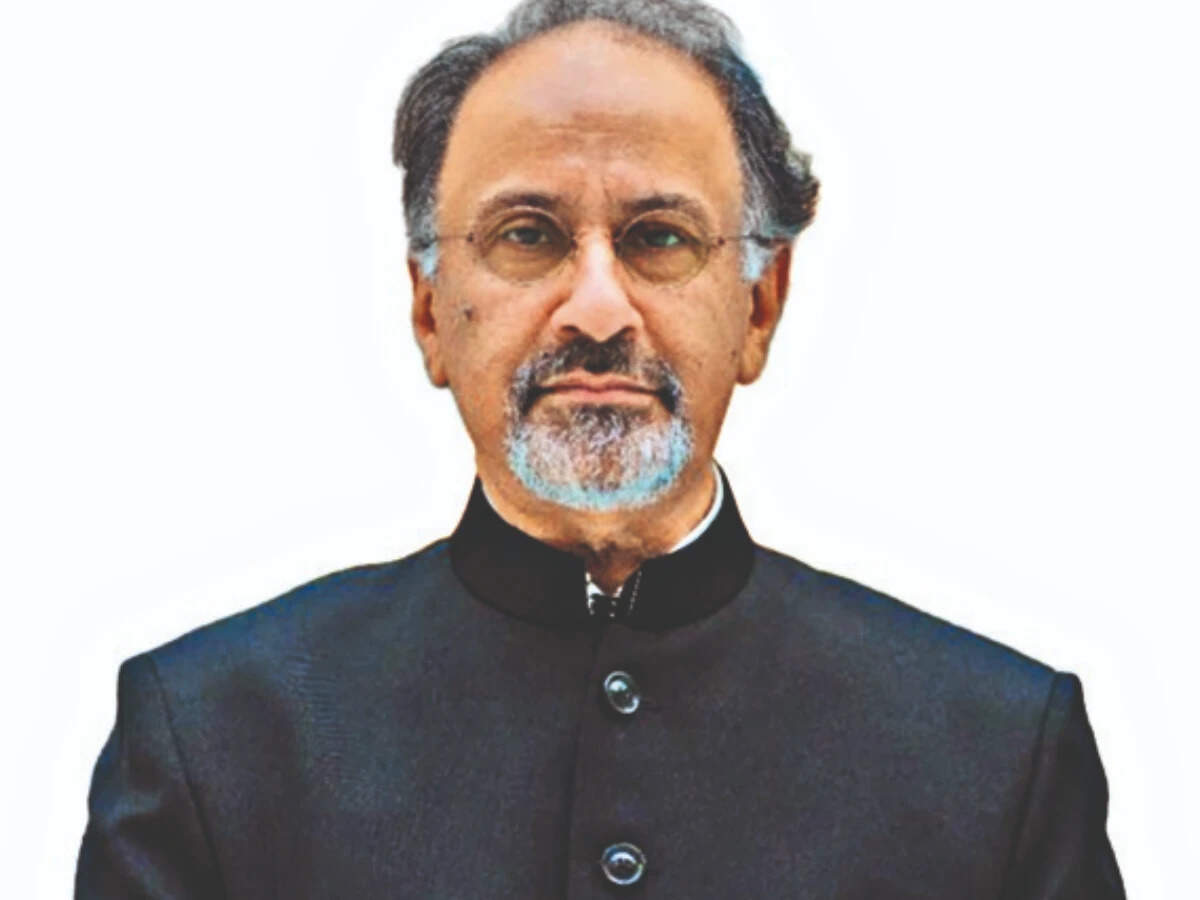
India finds itself in a favorable position to maintain growth, according to Indermit Gill, a distinguished visiting fellow at Stanford University's Hoover Institution. However, transforming this potential into sustained prosperity hinges more on internal reforms than external conditions, said Gill, who previously served as chief economist and senior vice president for development economics at the World Bank Group.
In an interview with ET, Gill emphasized that India's strong domestic consumption, low private-sector debt, and advantageous demographics, coupled with expanding digital and physical infrastructure, present a robust growth opportunity. Yet, he cautioned that this chance must be seized through domestic reforms rather than through protectionist measures.
Gill highlighted inefficiencies in capital, talent, and energy allocation as significant obstacles within India. He argued that productive firms must scale up to become globally competitive enterprises, while unproductive ones should exit to free up vital resources. Similarly, India underutilizes its female workforce in skilled and high-paying roles due to workplace discrimination and safety concerns, limiting its productive capacity.
Energy efficiency also presents a challenge, as India's energy consumption per unit of economic output is much higher than in many other economies, which could yield substantial productivity gains through efficiency improvements.
Gill emphasized the potential of restructuring global supply chains, suggesting that India could become a major alternative destination as companies diversify production away from China. He advocated for policymakers to identify companies considering leaving an economy and to actively promote production in India. While he acknowledged that Indian companies investing abroad is not a concern, he expressed perplexity over economists' practice of counting imports and exports together while assessing trade openness but excluding investment outflows from inflows when measuring investment openness.
Gill also discussed the potential productivity gains from artificial intelligence in India, suggesting that these gains could exceed the number of jobs threatened directly by the technology. He urged India to focus on deploying AI in areas where it can significantly boost productivity, rather than solely worrying about job displacement.
Written by urgent.news from The Economic Times - Economy's reporting — not their text. Machine-written — may contain errors; check the original before relying on it.