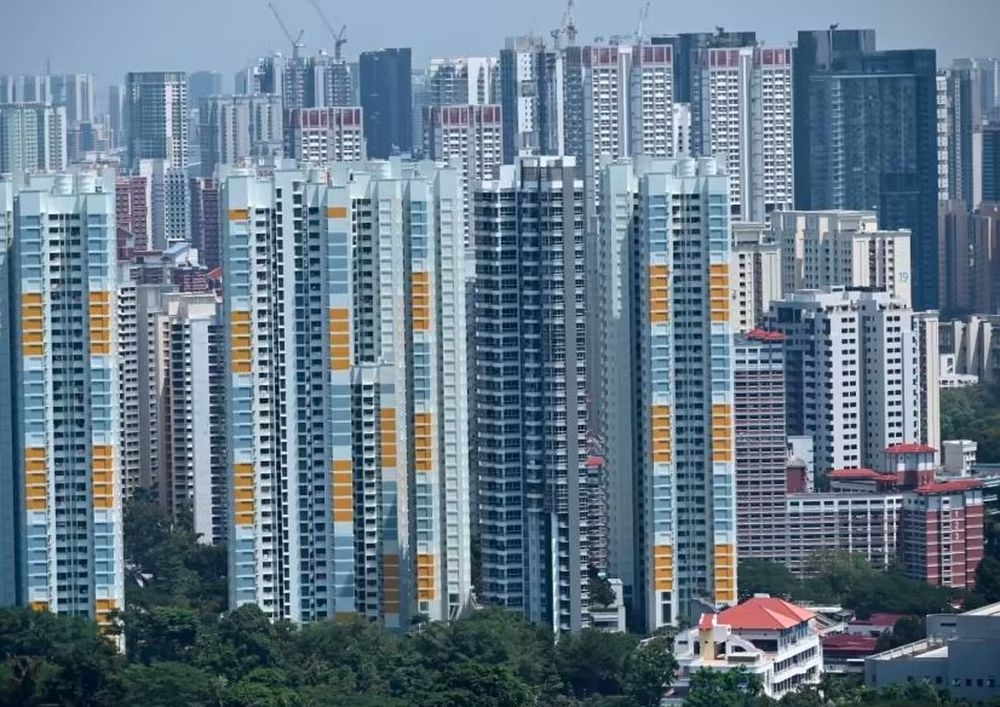
Traditional markets pivot to retain shoppers
Ho Chi Minh City is restructuring its traditional markets by integrating international payments, QR codes, and cultural tourism to boost foot traffic and adapt to modern urban life.
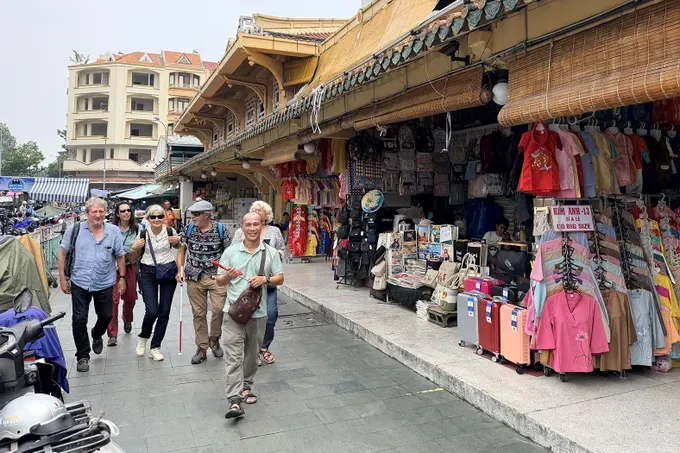
Ho Chi Minh City is transforming its traditional markets by embracing international payments, QR codes, and cultural tourism to attract more shoppers. The bustling commercial hubs that once filled these markets now have much fewer foot visitors. Many vendors have set up second storefronts on their mobile screens, recording videos, hosting live streams, and processing online orders alongside traditional sales methods.
Sales have dropped significantly, with some vendors seeing revenue fall by 50 to 70 percent. To stay afloat, vendors are turning to online sales, with many now using smartphones to post merchandise photos, respond to inquiries, and finalize orders. However, online success demands constant updates, quick responses, competitive pricing, and efficient handling of returns.
Municipal authorities and businesses are collaborating to support traditional markets, with tourism seen as a potential growth area. Binh Tay Market, a major commercial hub, has installed international payment options and added cultural activities to appeal to tourists. Tourism experts emphasize that visitors come for more than just shopping; they seek cultural immersion and positive experiences.
Traditional markets are evolving into cultural, culinary, and tourism destinations, aiming to redefine their roles in the modern urban environment.
Written by urgent.news from SGGP English Edition Business's reporting — not their text. Machine-written — may contain errors; check the original before relying on it.