Tierkrankheit: Shamonda-Virus: „Nur die Spitze des Eisbergs“ nachgewiesen
Das hierzulande neue Shamonda-Virus hat sich schnell ausgebreitet. Infizierte Rinder zeigen meist milde oder keine Symptome. Ob weiterer Schaden folgt, zeigen erst die kommenden Monate.
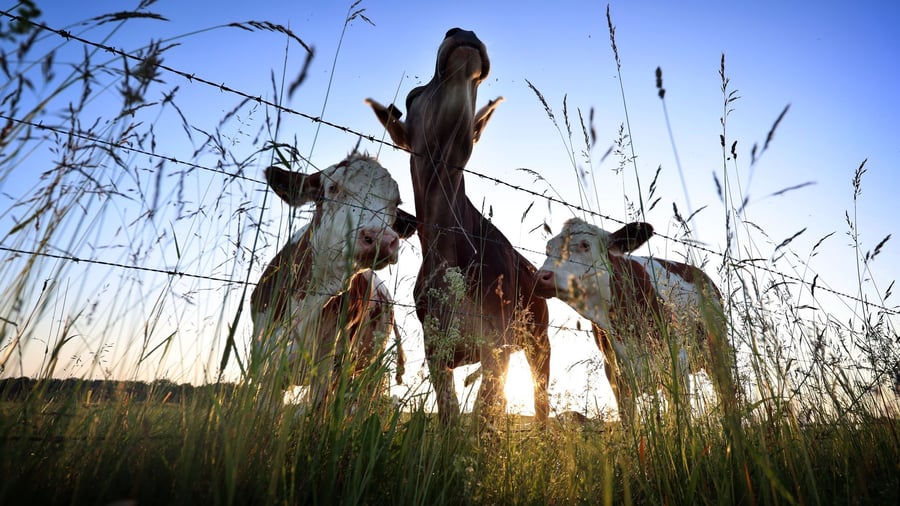
The Shamonda virus, first detected this summer in German cattle, now affects nearly the entire country, with only Mecklenburg-Vorpommern and the city states remaining untested, according to Martin Beer, vice president of the Friedrich-Loeffler-Institut (FLI) in Greifswald. Thousands of farms are affected, though the virus is not reportable and most animals show few or mild symptoms.
Infected cattle have experienced fever, temporary drops in milk production, or diarrhea. The virus's potential impact on pregnant animals remains unknown, as it could cause abortions or malformed offspring. The virus is transmitted by gnats, small biting midges. First detected in July and August in southern Germany, France, and Switzerland, the virus has since been found in ruminants such as cattle, sheep, goats, horses, and even an alpaca, as well as pigs.
The second variant, SHAV-EU2, has been found only in cattle in Germany, the Netherlands, Belgium, and Schleswig-Holstein. The virus may have arrived in Europe via infected gnats transported by airplane. High temperatures in the summer may have encouraged the virus's growth in gnats, facilitating its spread. Three horses have died from the virus, showing brain inflammation and high virus levels in their brains.
Neurological damage has also been observed in horses in Switzerland. While the current infection is unlikely to cause severe illness in treated animals, it will provide them with immunity. However, following waves of the virus are expected to be much weaker or nearly undetectable. The FLI is working on antibody tests to better detect the virus's spread.
Once infected, animals develop a strong immune response, but herd immunity will disappear with the animals' deaths. The virus was first described in 1965 in Nigeria, isolated from a cow in the Samonda neighborhood of Ibadan.
Written by urgent.news from Handelsblatt's reporting — not their text. Machine-written — may contain errors; check the original before relying on it.