Thousands of Black Holes Could Be Lurking in Our Backyard—and You Can Help Find Them
According to stellar evolution models, there should be hundreds of millions of black holes floating around in our galaxy. But so far we’ve only found 70. That’s in large part because they are so hard to find, but a citizen science project from the University of Southampton is actively seeking out these hidden monsters with the help of tens of thousands of amateur astronomers through a project on…
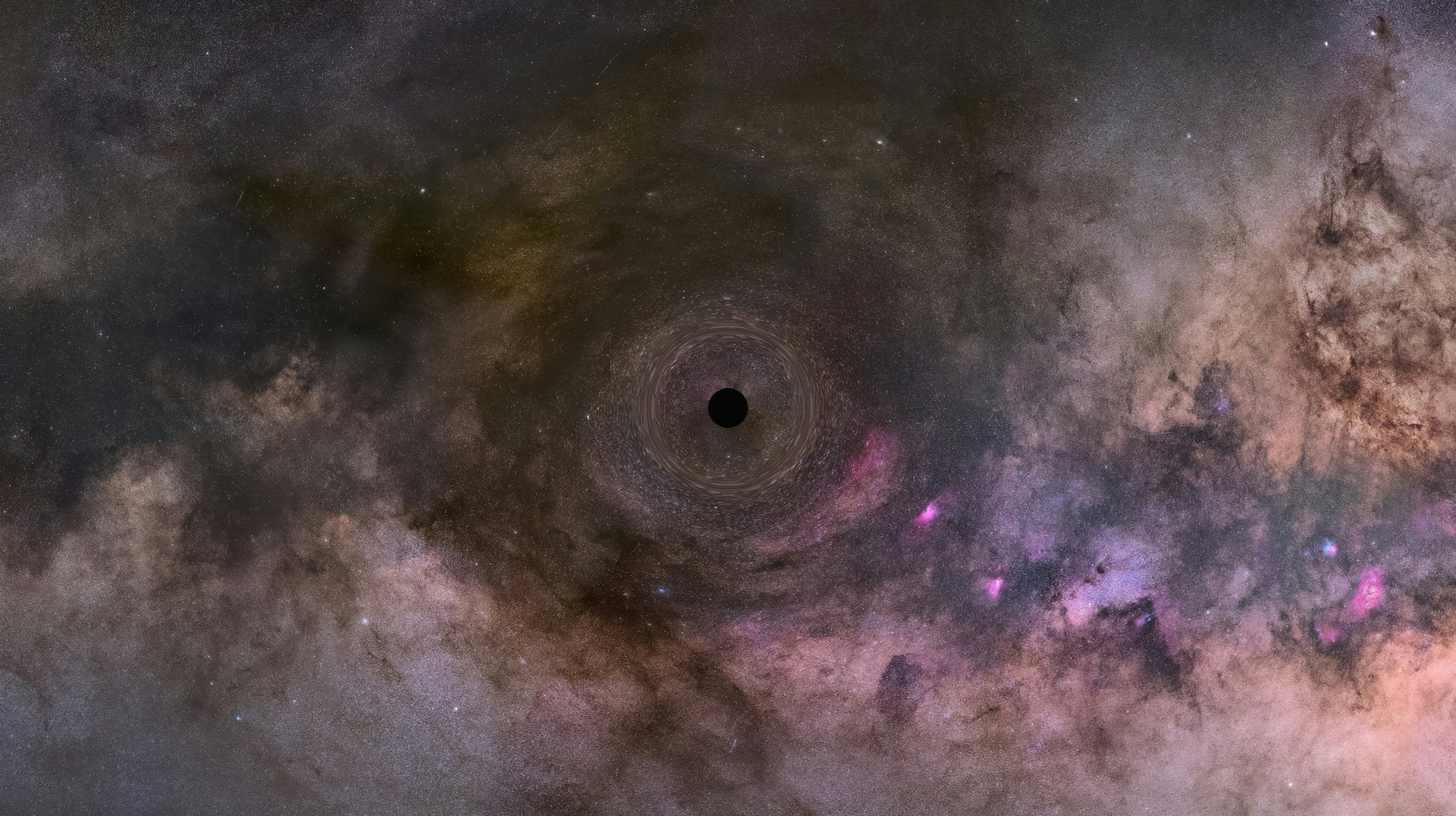
Recent research has revealed that there could be thousands of black holes lurking in our galaxy, and a citizen science project called Black Hole Hunters aims to help find them. Stellar evolution models predict that there should be hundreds of millions of these elusive objects in our galaxy, but only 70 have been discovered so far.
Black holes are challenging to detect because they absorb light, making them appear invisible to traditional astronomical techniques. However, a unique phenomenon called microlensing can reveal their presence. When a black hole passes in front of a star, it bends the star's light, creating an effect known as "Einstein rings." Sometimes, black holes orbit a companion star and repeat this microlensing effect periodically, known as gravitational self-lensing.
Black Hole Hunters, launched in 2021 by the University of Southampton, is actively searching for evidence of these gravitational self-lensing events. The project utilizes data from the Transiting Exoplanet Survey Satellite (TESS), which captures light curves of hundreds of thousands of stars every few minutes. With the help of AI and machine learning algorithms, the project classifies these light curves, filtering through millions of data points in a matter of days.
While AI helps identify potential candidates, human volunteers are needed to confirm the findings due to potential interference from factors like sunspots and variable stars. Currently, the project is 43% complete, with nearly 23,000 volunteers contributing over 12 million classifications since its launch in October 2021. Anyone interested in contributing to this endeavor can visit the project's Zooniverse page to participate in the search for hidden black holes within our own galaxy.
Written by urgent.news from Universe Today's reporting — not their text. Machine-written — may contain errors; check the original before relying on it.