International Whaling Commission rejects push to revive commercial whaling
A push to reopen the door to commercial whaling failed at the recent meeting of the International Whaling Commission (IWC) after a controversial resolution was taken off the table on the last day. The draft resolution, put forward by the Caribbean nation of Antigua and Barbuda and co-sponsored by Palau, St. Kitts and Nevis, St. […]
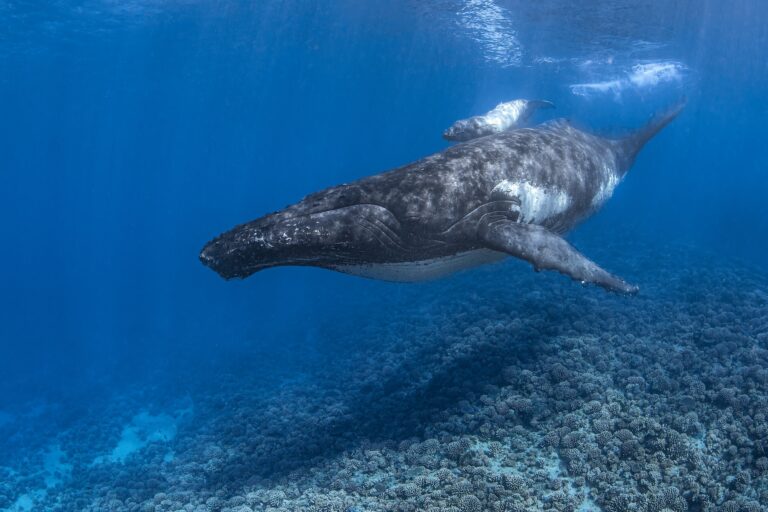
The International Whaling Commission (IWC) rejected a proposal to revive commercial whaling during its 70th meeting in Hobart, Tasmania, from September 27 to October 2. The draft resolution, introduced by Antigua and Barbuda along with co-sponsors Palau, St. Kitts and Nevis, St. Lucia, and Togo, advocated for discussing the "sustainable use of whale resources" and paving the way for commercial whaling.
However, Grenada, a non-signatory to the draft, withdrew the bill, preserving the 40-year-old global moratorium on commercial whaling. The IWC, responsible for managing and conserving cetaceans, including whales, dolphins, and porpoises, held the biennial meeting, which was attended by around 400 delegates from 89 member governments and various observer organizations.
The IWC's establishment in 1946 and the subsequent 40-year moratorium on commercial whaling were primarily focused on baleen and toothed whales, leaving smaller cetacean species potentially outside its protection. While proponents argue that the moratorium has contributed to the recovery of many whale species previously endangered by whaling, concerns remain about additional threats to these creatures.
Written by urgent.news from Mongabay's reporting — not their text. Machine-written — may contain errors; check the original before relying on it.