Starlink's plan to avoid orbital near-misses: Ephemeris sharing
Hang on. How about not chucking tens of thousands more satellites into space?
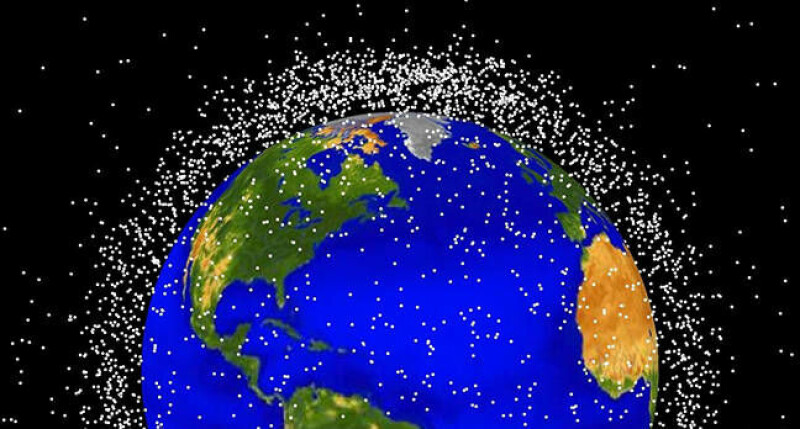
SpaceX acknowledges the need for satellite operators to collaborate in avoiding orbital collisions and has begun sharing imagery to demonstrate the proximity of spacecraft to one another. The company urges other operators to share their satellites' ephemeris, or sets of parameters describing position and velocity over time, to enable timely avoidance maneuvers.
In 2026, Starlink experienced conjunctions with around 650 unique maneuvering third-party satellites, with only about half sharing ephemeris. Some operators hesitate to share ephemeris due to concerns about revealing proprietary information, while others are eager to share but unable to secure government permission. These policies, however, are deemed counterproductive, primarily creating preventable collision risks.
Over six months, Starlink observed approximately 164,000 conjunctions where the closest approach time was within four hours of an unannounced maneuver, many of which posed high risks due to insufficient high-accuracy post-maneuver trajectory information. SpaceX has applied for permission to operate 100,000 Starlink satellites and up to 1 million Starmind AI satellites, contributing significantly to orbital overcrowding.
Comparing orbital traffic to air travel, SpaceX argues that air travel, despite growing congestion, is the safest mode of transport because every aircraft publishes a flight plan and continuously broadcasts its position during flight. SpaceX highlights instances where Starlink satellites successfully avoided other vehicles, such as a close encounter in October 2025 where a maneuver reduced the predicted miss distance from 9 km to just 57 meters.
However, this approach could have been prevented if the other object had shared its maneuver ahead of time. The CEO of Neuraspace, Chiara Manfletti, emphasizes the growing problem of orbital congestion and the need for timely, accurate information about other spacecraft's intended positions and maneuvers. She emphasizes that while collision prevention technology is impressive, operators increasingly require such information to ensure safety in orbit.
Manfletti suggests that a federated and interoperable space-traffic ecosystem is needed, allowing operators to securely exchange trajectory and intent information across various platforms and organizations.
Written by urgent.news from The Register's reporting — not their text. Machine-written — may contain errors; check the original before relying on it.
Also reported by 1 other outlet
- Starlink's plan to avoid orbital near-misses: Ephemeris sharing theregister.com