Shareable UTS Season Ticket Facility on RailOne App
The Shareable UTS Season Ticket facility has been introduced on the RailOne App, providing greater convenience to passengers by enabling registered users to book season tickets not only for themselves but also for eligible family members or other passengers. The facility, introduced from 02nd September, 2026, is aimed at making season-ticket booking more convenient while further modernising the…
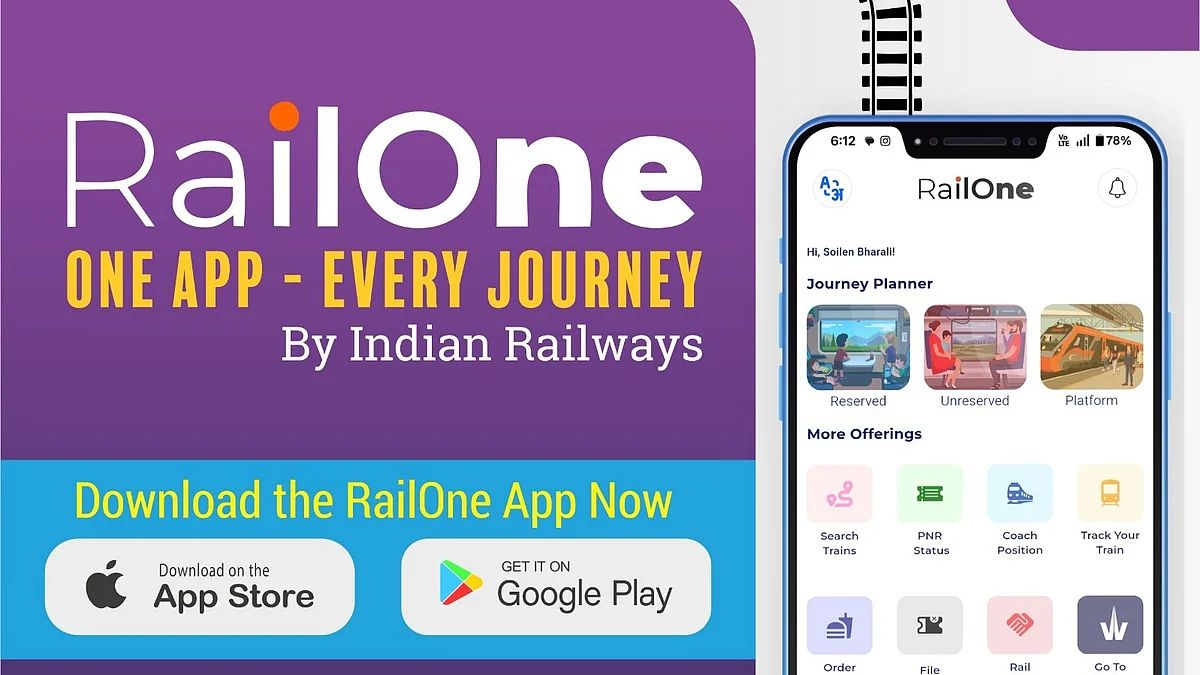
The RailOne App has recently introduced a Shareable UTS Season Ticket facility, allowing registered users to book season tickets for themselves and up to five eligible passengers. This new feature aims to enhance convenience and modernize the railway ticketing system. Users must be at least 18 years old for self-booking, while passengers for whom tickets are booked must be at least five years old.
The ticket becomes valid immediately after successful geo-fencing verification for self-booking and from the next day for other passengers. To ensure security, the ticket includes a photograph and QR code, enabling easy and safe verification. Passengers can present either a printed copy or a PDF version of the Shareable Season Ticket, as long as it remains clear and readable.
NFR has trained its staff on the new facility and verification process, and they are advised to use updated Hand-Held Terminal applications supporting QR-code scanning. This initiative is part of Indian Railways' commitment to improving digital ticketing and passenger experience, while maintaining robust ticket authentication measures.
Rewritten by urgent.news; may contain errors — check the original.