Oil prices ise as Gulf storm threat and Middle East tensions weigh on markets
Oil prices increase as markets assess potential production disruptions from an approaching Gulf storm alongside ongoing Middle East supply tensions.
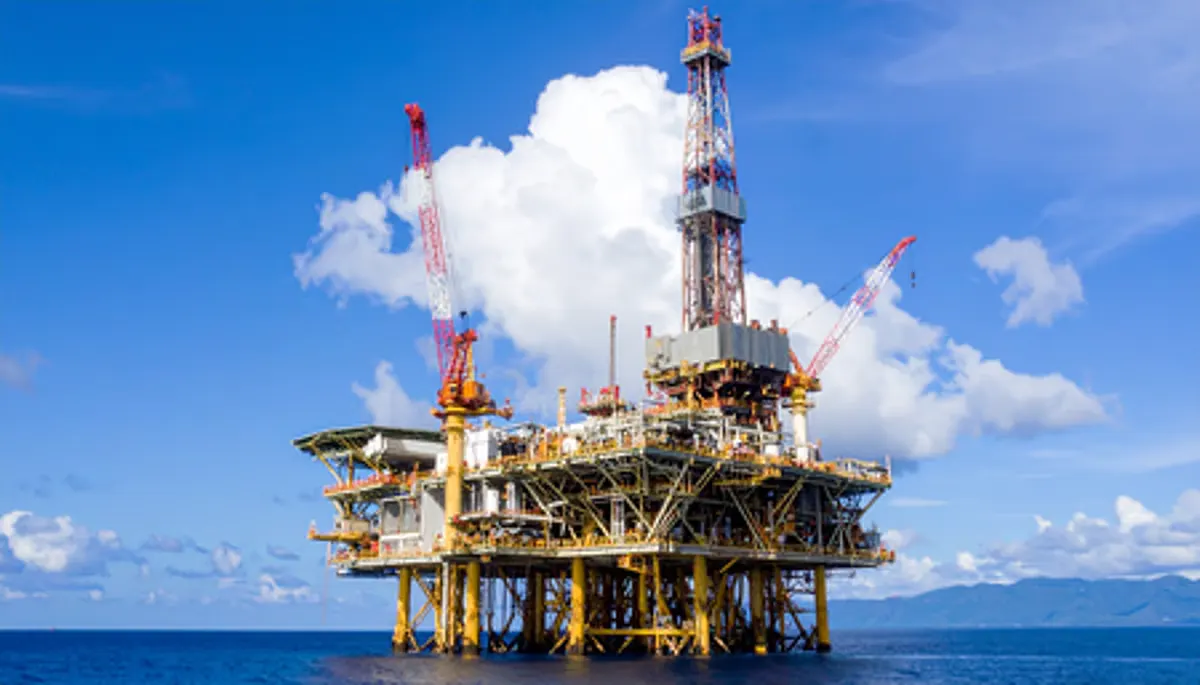
Oil prices climbed on Wednesday amid concerns over supply disruptions from an approaching storm in the Gulf of Mexico and threats from Yemen's Iran-backed Houthis against Saudi Arabia. Brent futures increased by 93 cents, or 0.92%, reaching $101.51 per barrel, while US crude West Texas Intermediate (WTI) rose by 82 cents, or 0.92%, to $90.25 per barrel.
The National Hurricane Center forecast for Tuesday predicted that a storm forming in the Gulf would become the first Atlantic hurricane of 2026 within two days, potentially impacting oil and gas production facilities in the region. This storm could affect 15% of US crude oil and 5% of the country's natural gas output from offshore areas.
KCM Trade chief analyst Tim Waterer commented that the storm posed "an unwelcome complication for crude," exacerbating production and refining challenges amidst existing supply-side issues. Refineries in US Gulf states generate approximately 50% of the national capacity, which is 18.2 million barrels per day (bpd). US crude oil and gasoline inventories decreased last week, while distillate stocks rose marginally, according to American Petroleum Institute data.
Crude oil inventories fell by 2.09 million barrels during the week ending October 2. Supply had been increasing due to the East-West pipeline reaching a rate of 5.8 million barrels per day, according to Saudi Energy Minister Prince Abdulaziz bin Salman on Tuesday. In the past week, around 12 million barrels per day of crude oil and 2 million barrels per day of refined products were being transported via tankers from the Middle East.
Meanwhile, Saudi Arabia faced two attacks on its airports in Jazan and Najran on Monday evening, according to the Saudi aviation authority. These strikes occurred as tensions heightened between the kingdom and Yemen's Iran-backed Houthis. Saudi-backed Yemeni government forces were conducting a major offensive to reclaim territory from the rebels, supported by Riyadh's intensified airstrikes.
The situation remains tense, with US-Iran relations showing little sign of improvement. US President Donald Trump expressed frustration on Tuesday, stating that nobody knew who was running Iran amid the ongoing conflict. Iran's foreign ministry spokesman emphasized that Washington was well aware of the decision-making system in Iran, despite the ongoing power vacuum.
Written by urgent.news from 3News's reporting — not their text. Machine-written — may contain errors; check the original before relying on it.
This story
This is one outlet's version. Read the fullest account.
- Oil prices stable as market weighs supply risks, rising Middle East exports businesstimes.com.sg
- Oil prices stable as market weighs supply risks, rising Middle East exports channelnewsasia.com
- Oil prices rise as M.East supply jitters persist investing.com