Missed approach: Russia falls back on 1940s “corn duster” aircraft after new projects stall
Russian officials plan to resume production of the An-2 — a light “corn duster” aircraft designed in the 1940s — after years of failed attempts to develop a replacement for the Soviet biplane. Previously, officials tried to fill the gap by certifying the Il-114-300, but that aircraft turned out to be completely unfit for real-world operation — in addition to being too expensive for customers. As…
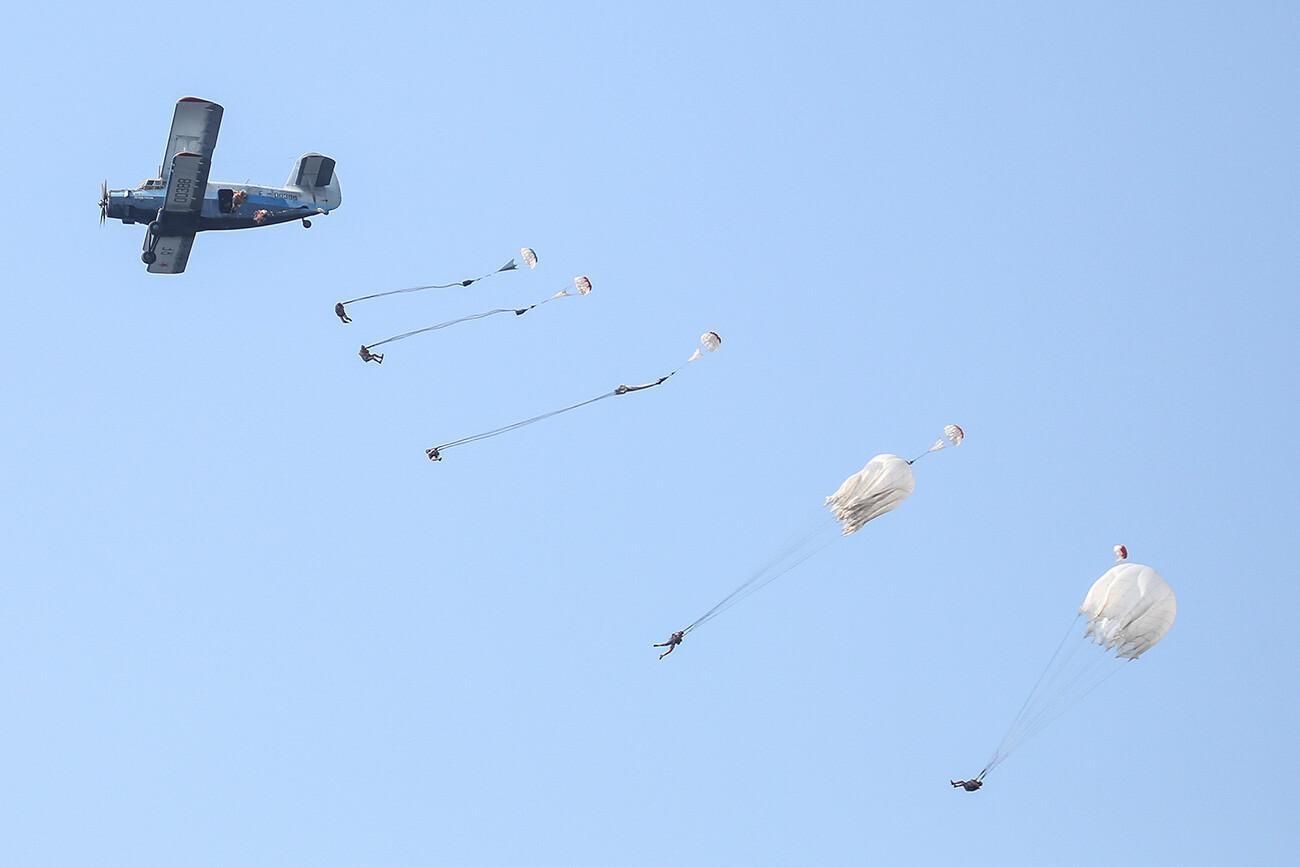
In early September, at the Eastern Economic Forum (EEF) in Vladivostok, Russia announced its intention to resume production of the iconic Soviet An-2 aircraft, also known as the “corn duster” or “Annushka.” Deputy Prime Minister and presidential envoy to the Russian Far East Federal District, Yuri Trutnev, called for prioritizing the creation of new aircraft, expressing disappointment that the country had relied on the An-2 for 60–80 years and was now reverting to it.
With some sarcasm, Trutnev stated: “If our wonderful aircraft designers can’t offer us anything but the An-2 right now, then let’s keep flying the An-2.”
According to data from the Ministry of Industry and Trade, deliveries of updated An-2 aircraft would commence in 2027, and in 2028, they would be equipped with the new domestic VK-800 engine. The VK-800 engine's certification is still in the works, but the Ministry of Industry and Trade also explored the option of the VK-1600S engine from ODK-Klimov, which exists only as a mockup for now.
Several companies, including Rusaviaprom, the Motor Aircraft Repair Enterprise, and Technoregion, are working in parallel to update the An-2. However, Russia currently has about 700 An-2 aircraft in storage, with many having only utilized a third of their service life. The revival of the An-2 is driven by the aging air fleet and the rising costs of maintaining the aircraft, which is crucial for connecting remote regions to the mainland.
Helicopters, while capable of serving remote communities, are far more expensive and would require heavy subsidies.
Written by urgent.news from The Insider's reporting — not their text. Machine-written — may contain errors; check the original before relying on it.