Kelvin waves: Will El Niño bring coastal flooding to American west?
As El Niño continues to strengthen, it could cause Kelvin waves to move east and eventually trigger coastal flooding in the North American west. The post Kelvin waves: Will El Niño bring coastal flooding to American west? first appeared on EarthSky .
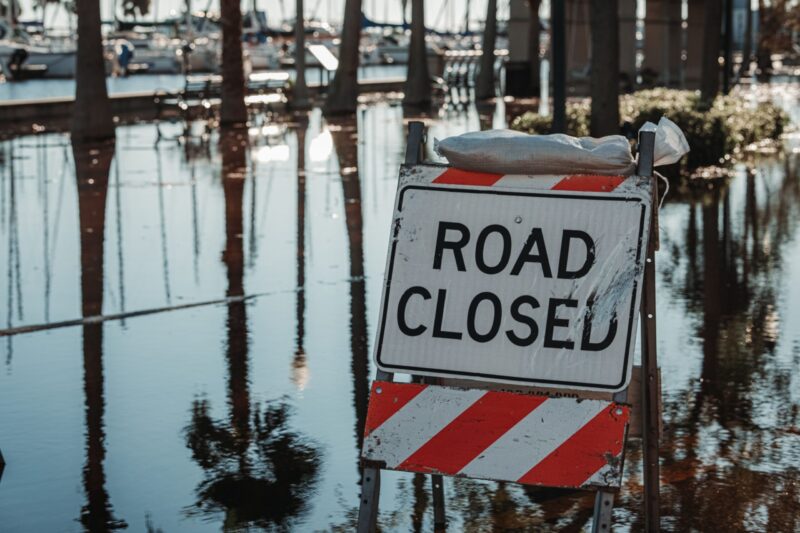
El Niño could soon lead to coastal flooding along the western coast of North America via Kelvin waves. But what exactly are Kelvin waves? Image via Connor Scott McManus/Pexels. A strong El Niño has recently emerged, significantly affecting tropical weather. While the Atlantic Ocean has experienced a below-average hurricane season, the Pacific Ocean has seen an above-average season with 18 named storms, including nine hurricanes.
However, El Niño's impact extends beyond tropical storms. Forecasters warn that it may also trigger coastal flooding along the western coast of North America through the creation of Kelvin waves. What are Kelvin waves? They are not typical waves that crash onto the shore. Instead, they are planetary waves moving from west to east along the equator, taking up to three months to complete a cycle.
These waves, higher than the water's surface, resemble large ripples rather than waves with crests. As they reach Central and South America, they continue their journey up the western coast of the Americas, potentially bringing higher water temperatures and levels for extended periods. Kelvin waves were observed impacting parts of California in the spring, but their effects will be more pronounced during the fall and winter.
The relationship between El Niño and Kelvin waves is significant. El Niño is the warm phase of the El Niño Southern Oscillation (ENSO) climate pattern, which has two main phases: El Niño and La Niña, along with a neutral phase. During El Niño, tropical Pacific Ocean waters are warmer than average, often due to weaker easterly trade winds.
Weaker trade winds prevent the deeper, cold water from reaching the surface, keeping the water warmer. This warmer surface layer can propagate back eastward, forming Kelvin waves. As the surface layer of the ocean water warms, it can continue to warm the ocean water, including the temperature of the water off the North American coastline as it travels.
These warmer waters and elevated water levels can impact North American coastal communities, particularly along the western coast of North America, especially during the fall and winter. This year, El Niño in the Pacific is exceptionally strong, with a 75% chance of being historically intense, surpassing previous El Niño events since 1950.
This heightened strength increases the likelihood of more severe impacts, including more frequent high tide flooding due to rising sea levels. In the past, NOAA scientists have observed an increase in high tide flooding during El Niño years. As sea levels continue to rise over the decades, the combination of Kelvin waves and El Niño could result in more frequent coastal flooding in the North American west.
In summary, as El Niño strengthens, it may cause Kelvin waves to travel eastward, potentially triggering coastal flooding along the North American west coast.
Rewritten by urgent.news; may contain errors — check the original.