Google’s new SynthID website can identify AI-generated media
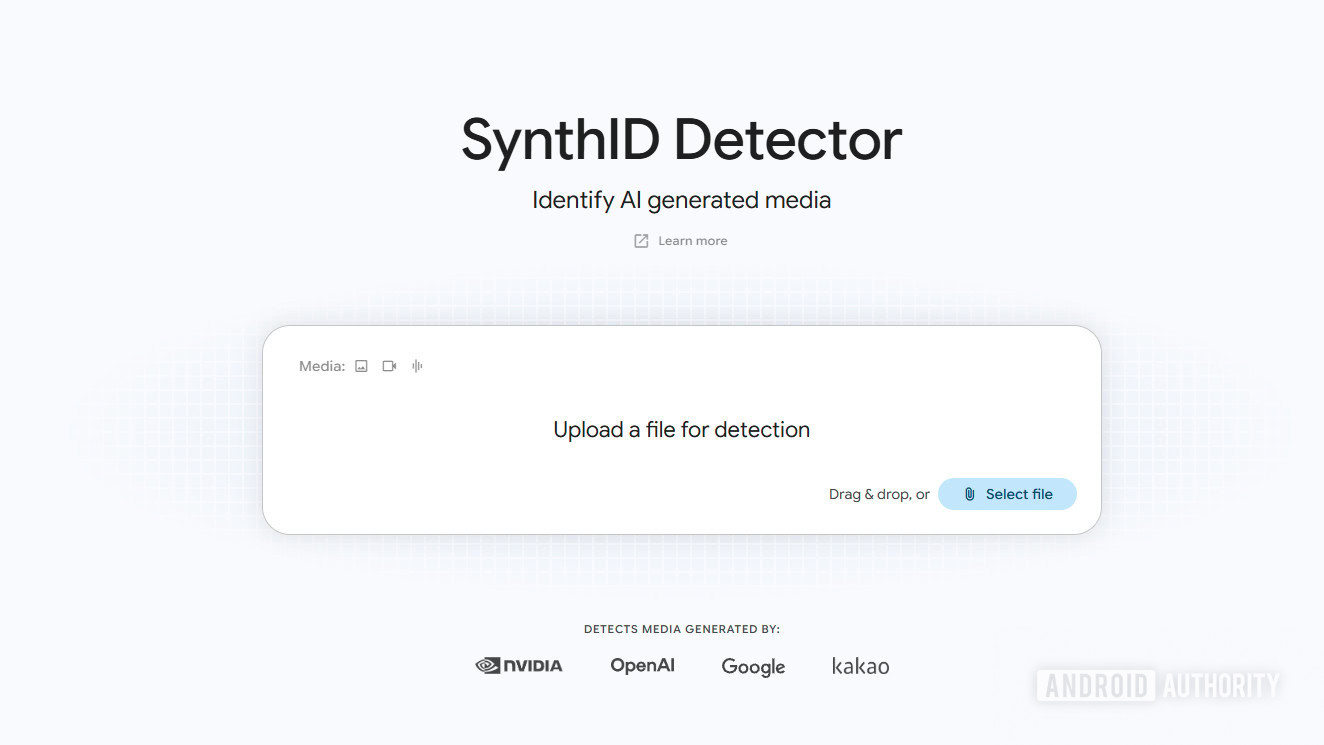
Google on Tuesday launched a new site that lets anyone verify whether a piece of media, be it an image, a video, or an audio clip, is generated using AI.
As AI tools become increasingly advanced and user-friendly, the importance of discerning the authenticity of online content has never been more crucial. Google's SynthID, launched in 2023, has already played a significant role in this endeavor by offering imperceptible watermarks for AI-generated images, videos, and audio across 180 billion images and videos, and 240,000 years of audio content.
In addition to this, Google introduced a preliminary version of the SynthID Detector last year, aimed at aiding media professionals in verifying AI-generated content. Now, Google is taking this a step further by making the SynthID Detector widely available globally, in English, starting today. This development marks a significant expansion of the tool's accessibility, allowing anyone to verify whether an image, video, or audio file was created using AI from Google or its partners, which include OpenAI, NVIDIA, Kakao, and soon, Apple.
This new tool complements the existing verification features in Google's Search, Gemini app, and Chrome, which collectively process over 1 million requests per day. This initiative is a testament to Google's ongoing commitment to providing users with more context about the media they encounter online, empowering them to navigate the digital world with greater assurance and confidence.
Written by urgent.news from Google Blog's reporting — not their text. Machine-written — may contain errors; check the original before relying on it.
This story
This is one outlet's version. Read the fullest account.