GLP-1 Drugs? Surgery? WHO Issues Guidelines for Obesity in Children
The World Health Organization (WHO) released its first-ever guidelines to address how clinicians should manage obesity in children and adolescents, which include conditional recommendations for obesity medications and even surgery for children over the age of 10. Since 1990, the number of children ages 5-9 years and adolescents 10-19 years living with obesity has quadrupled, […]
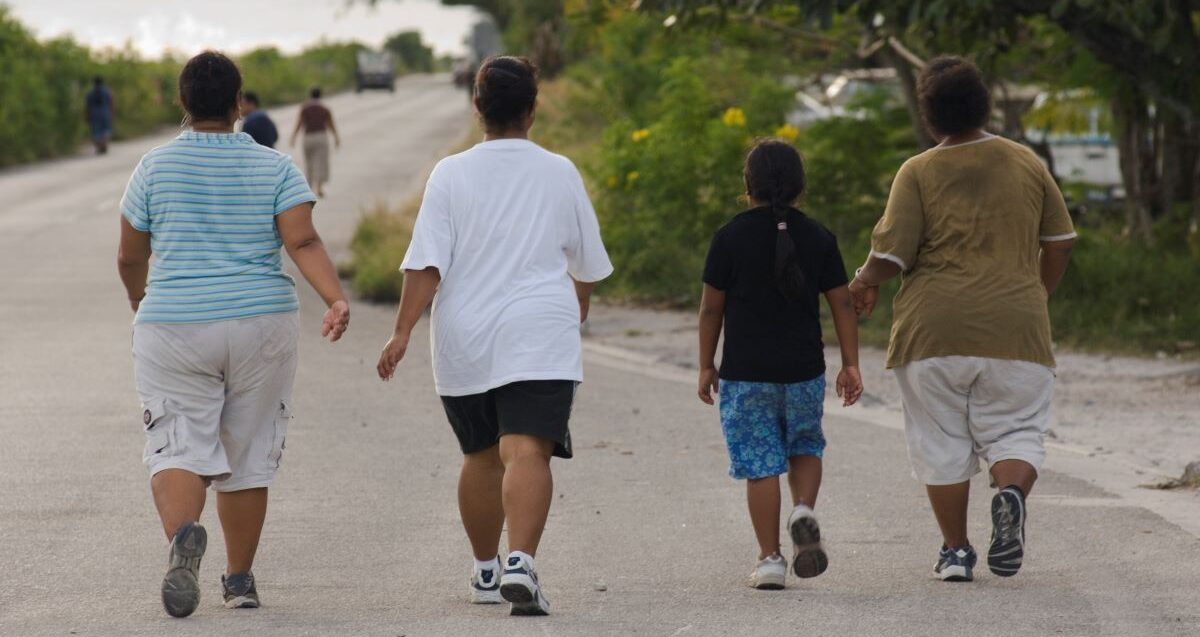
The World Health Organization (WHO) has issued its initial guideline addressing obesity in children and adolescents, stating that weight-loss drugs, bariatric surgery, and weight-loss devices are not suitable for children under the age of 10. This announcement was made in a press release on October 7, detailing the organization's evidence-based recommendations for healthcare providers treating children and adolescents with obesity.
The guideline has been prompted by a significant increase in childhood obesity rates globally, with approximately 170 million children and adolescents aged five to 19, representing about 8% of the population, affected by obesity in 2024. This prevalence has quadrupled since 1990, where the number of affected individuals was only 2%.
Despite the high prevalence of obesity, WHO is focusing primarily on dietary adjustments, increased physical activity, and behavioral support as primary treatment methods, rather than resorting to pharmaceutical interventions or surgery. The organization advocates for structured dietary interventions, physical activity programs, and behavioral change strategies to be implemented individually or as part of a comprehensive multimodal program.
Digital health tools may also be utilized under parental or caregiver supervision to reinforce these approaches.
For adolescents aged 10 to 19, WHO suggests that approved weight-loss medications could be considered only if structured lifestyle programs fail to achieve the desired outcomes. Bariatric surgery is recommended only under stringent conditions for adolescents with severe obesity. The guideline emphasizes that treatment should not solely aim at weight reduction but should also focus on enhancing overall health, functional capacity, and well-being.
Mental health issues such as anxiety, depression, low self-esteem, stigma, and bullying associated with obesity are also to be addressed alongside conventional treatment methods.
This guideline comes amid a global surge in noncommunicable diseases, which now account for a substantial portion of global deaths. WHO stresses that obesity is a chronic, relapsing condition whose early health consequences can lead to increased risks of chronic diseases such as type 2 diabetes and cardiovascular diseases.
Nigeria is particularly grappling with the effects of obesity and other diet-related noncommunicable diseases. In light of these challenges, policymakers are under increasing pressure to mitigate risk factors associated with obesity, diabetes, hypertension, and cardiovascular diseases.
Written by urgent.news from Nairametrics's reporting — not their text. Machine-written — may contain errors; check the original before relying on it.
This story
This is one outlet's version. Read the fullest account.