Gaza and the choice ahead
Three years ago, families in southern Israel woke to a nightmare. Parents held safe-room doors shut while their children hid behind them. Young people fleeing a music festival were hunted across open fields. In the Hamas-led attack, about 1,200 people were massacred and 251 taken hostage into Gaza. October 7 changed Israel profoundly. It shattered assumptions about security and left wounds that…
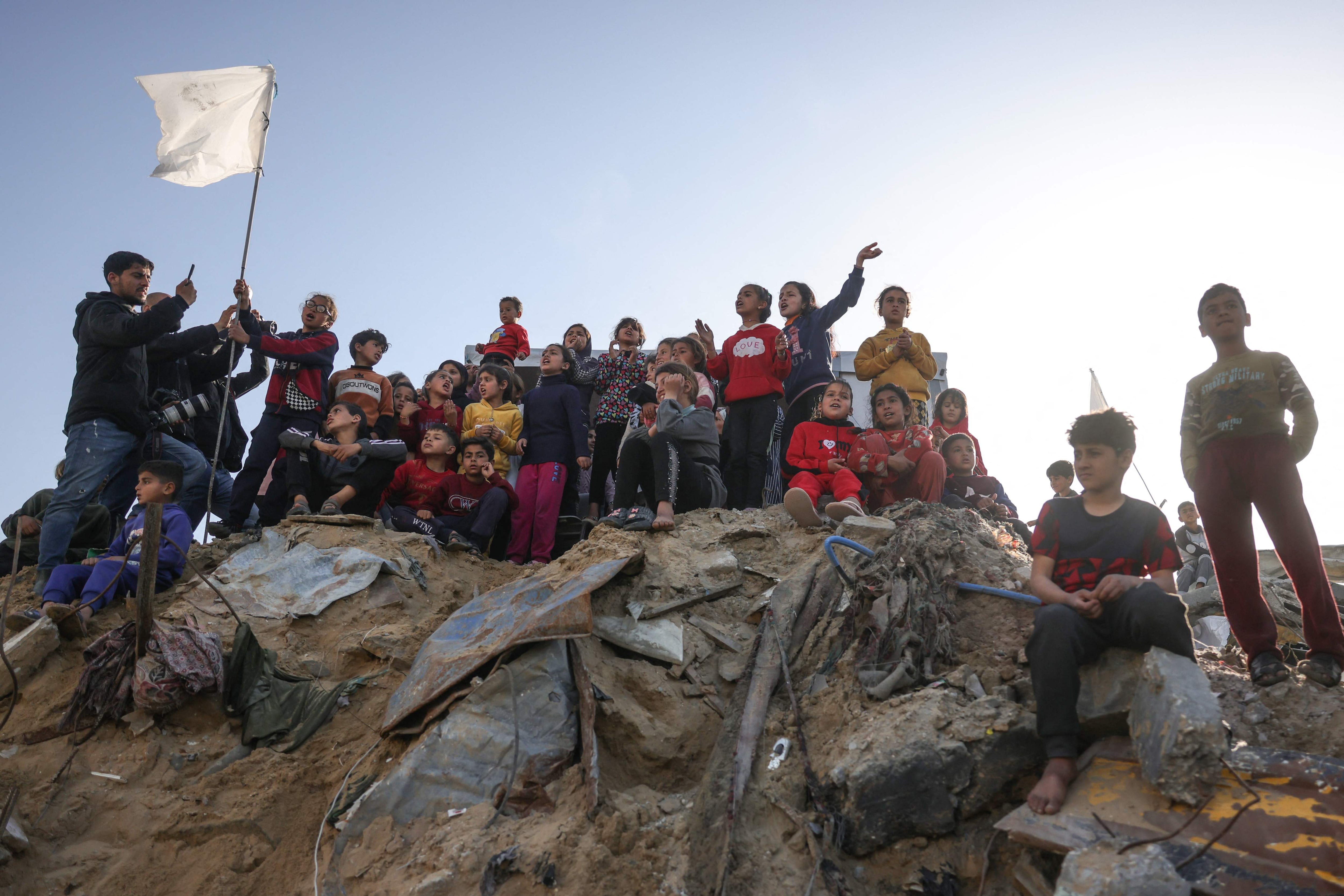
Three years ago, families in southern Israel faced a harrowing nightmare as Hamas launched an attack that claimed the lives of about 1,200 people and left 251 hostages in Gaza. This assault shattered assumptions about security and left deep, lasting wounds. The subsequent war inflicted significant devastation on Gaza, resulting in the loss of tens of thousands of lives and forcing generations of children to grapple with displacement, hunger, and fear.
Amidst the ongoing conflict, the challenges of remembering and reflecting on the past have become increasingly difficult. As an observer of this conflict, I've grown wary of anniversaries, which often lead to repetition of familiar arguments, grievances, and loyalties without bringing about meaningful change. However, one undeniable truth remains: grief knows no borders.
Mothers in Nir Oz and Khan Younis, despite their differing viewpoints, both experience profound loss. The pressing question for Israelis, Palestinians, and the wider region is not about whose suffering is greater, but rather whether lessons have been learned to prevent the cycle of pain and suffering from continuing. There are three possible futures for Gaza.
The first is a return to the familiar cycle of violence, with Hamas rebuilding its military capabilities, Israel preparing for future confrontations, and the conflict repeating itself. This pattern has played out numerous times, with each round of fighting aimed at restoring deterrence, only to be followed by another truce and the same underlying issues remaining unchanged.
The second potential future may seem more stable, but it ultimately offers no real progress. Gaza remains in a state of perpetual uncertainty, with humanitarian aid attempts replacing effective governance and reconstruction making slow, if any, headway. The world's interest wanes, and while there are no dramatic headlines, there is no meaningful advancement.
History suggests that such arrangements are unlikely to endure, as political vacuums rarely stay empty and despair provides fertile ground for extremism. The third, and most difficult, future presents a genuine path forward. It requires verified decommissioning of weapons, deradicalisation, accountable Palestinian civilian governance, a phased Israeli withdrawal, and reconstruction.
While mothers in Nir Oz and Khan Younis may never meet and may hold different perspectives on the conflict, they both face the same profound loss. Ultimately, the future of Gaza must be determined by accountable Palestinian civilian institutions, not by competing armed factions. As US President Donald Trump's framework suggests, this future hinges on the establishment of such institutions to bring an end to the cycle of violence and suffering.
Written by urgent.news from The National Business's reporting — not their text. Machine-written — may contain errors; check the original before relying on it.
This story
This is one outlet's version. Read the fullest account.
- Gaza and the choice ahead thenationalnews.com