Gaza and the choice ahead
Three years ago, families in southern Israel woke to a nightmare. Parents held safe-room doors shut while their children hid behind them. Young people fleeing a music festival were hunted across open fields. In the Hamas-led attack, about 1,200 people were massacred and 251 taken hostage into Gaza. October 7 changed Israel profoundly. It shattered assumptions about security and left wounds that…
Three years ago, families in southern Israel were forced to confront a terrifying nightmare. Parents sealed safe rooms as their children hid behind them, while young people fled a music festival, pursued across open fields. In the Hamas-led attack on October 7, approximately 1,200 people were killed and 251 taken hostage into Gaza.
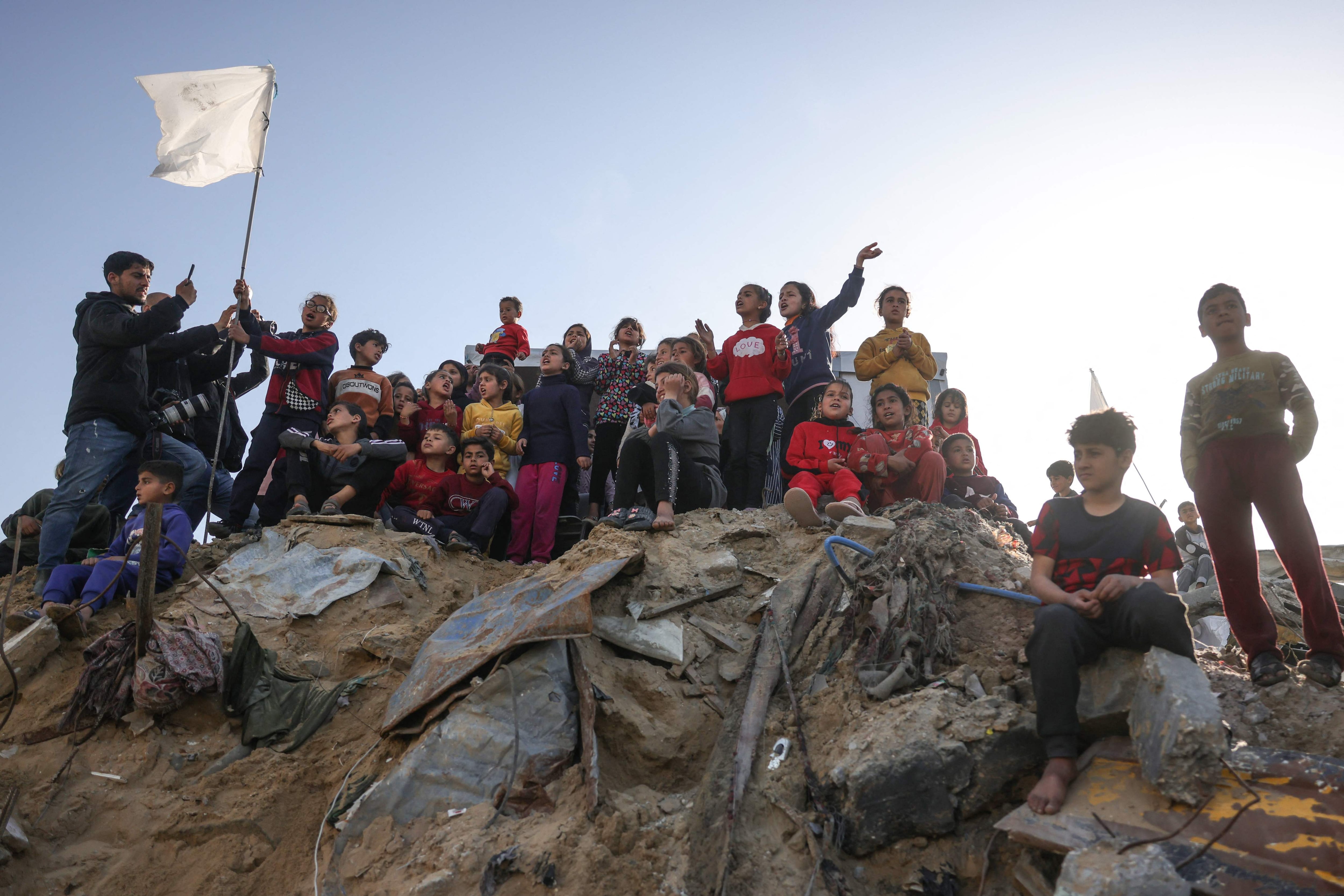
This event profoundly altered Israel, shattering security assumptions and leaving deep, ongoing wounds. No observer should assume Israelis should forget this day. The subsequent war inflicted catastrophic damage on Gaza, leading to the loss of tens of thousands of lives and a new generation growing up with displacement, hunger, and fear.
As someone who has spent a significant part of their career dealing with this conflict, I caution against relying on anniversaries. They often encourage remembrance but rarely lead to reflection. Each year, we reiterate familiar arguments, grievances, and loyalties, but we must move beyond these, addressing the questions that initially caused the tragedy.
The question now before Israelis, Palestinians, and the broader region is not about whose suffering is greater, but whether sufficient lessons have been learned to halt the cycle of pain and suffering. A year ago, the parties accepted a framework aimed at moving Gaza away from the full-scale war. It outlined a path towards demilitarization, deradicalization, transitional Palestinian governance, Israeli withdrawal, and reconstruction.
However, the real challenge is not merely agreeing on the destination, but translating those commitments into reality. Today, there are three potential futures for Gaza.
The first scenario is a return to the same cycle of violence and loss. Hamas would rebuild its military capabilities, and Israel would prepare for the next confrontation. This would lead to another ceasefire, followed by another round of violence, with the underlying reality remaining unchanged. This pattern has been repeated multiple times before.
Every round of fighting was intended to restore deterrence, and every truce was presented as a new beginning. Yet, the conflict continued because the conditions leading to it had not fundamentally changed.
The second scenario might seem more stable, but it is ultimately no more promising. Gaza would remain in a state of perpetual uncertainty, with humanitarian aid replacing governance. Reconstruction would progress slowly, if at all, and the world might gradually lose interest. There would be no dramatic headlines, but there would be no meaningful progress either.
Throughout history, political vacuums have rarely remained empty, and despair can serve as an excellent recruiting tool for extremism, providing a poor foundation for peace.
The third, and most challenging, scenario presents the only genuine path forward. It involves verified decommissioning of weapons, deradicalization, accountable Palestinian civilian governance, a phased Israeli withdrawal, and reconstruction. The future of Gaza must ultimately be determined by accountable Palestinian civilian institutions, not by competing armed factions.
Despite the deep divisions and differing views, no mother in Nir Oz or Khan Younis needs to be taught about loss. The future of Gaza hinges on the ability of Palestinian civilian institutions to rise above the competing armed factions and take responsibility for the country's future.
Written by urgent.news from The National UAE's reporting — not their text. Machine-written — may contain errors; check the original before relying on it.
Also reported by 1 other outlet
- Gaza and the choice ahead thenationalnews.com