FCC approves 15,000 SpaceX Starlink Mobile satellites that could compete directly with cellular carriers
The FCC cleared the mobile application on October 6. The regulator also granted a waiver allowing SpaceX to offer satellite wireless services without entering into a spectrum-leasing agreement with a terrestrial mobile operator. That gives SpaceX a route to sell mobile connectivity using its own spectrum, potentially competing directly with... Read Entire Article
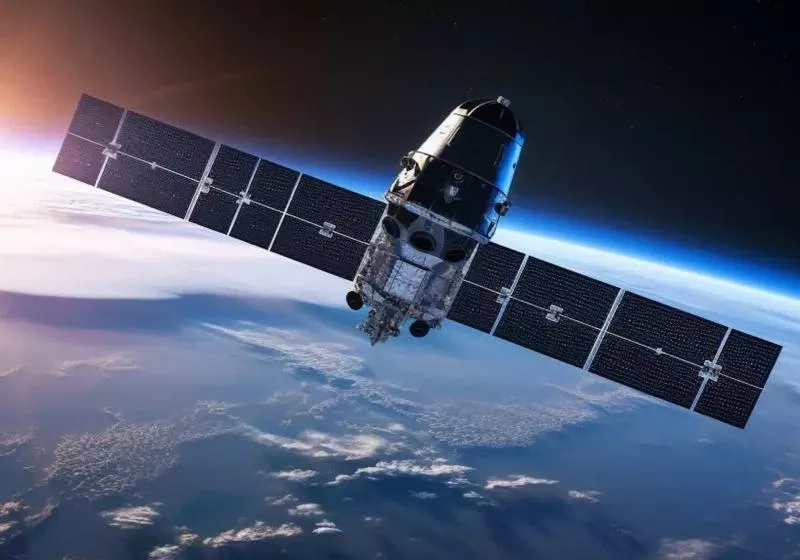
In a significant move for SpaceX and the future of mobile connectivity, the Federal Communications Commission (FCC) has granted approval for the deployment of 15,000 Starlink Mobile satellites. This development, made possible on October 6, marks a substantial step forward for SpaceX's objective to provide direct satellite-based mobile service to consumers, potentially challenging established cellular carriers such as AT&T, Verizon, and T-Mobile.
The approval also includes a waiver enabling SpaceX to provide satellite wireless services without entering into a spectrum-sharing agreement with a terrestrial mobile network operator. This waiver allows the company to utilize its own spectrum, a move that could position SpaceX directly in competition with major cellular providers. The approval expands SpaceX's existing approval for 7,500 Starlink Gen2 satellites, thereby increasing the total authorized satellite capacity to 15,000.
The new approval covers a broader range of mobile capabilities, including voice calls, streaming, and browsing, setting the stage for a more robust satellite-based mobile service. This move comes as part of SpaceX's broader strategy to enhance satellite connectivity, moving beyond basic messaging and light data applications. Companies like KDDI have already begun to leverage Starlink Mobile, claiming plans for advanced services including voice calls and data-intensive applications.
The FCC's decision enables the constellation of up to 15,000 satellites to operate at altitudes between 326 and 335 kilometers (202 to 208 miles), further solidifying SpaceX's position in the burgeoning satellite communication market. This move also brings to light the issue of orbital congestion as the number of operational satellites in low Earth orbit continues to grow.
The American Astronomical Society has expressed concerns about potential interference with astronomical observations, the buildup of orbital debris, and the atmospheric impacts of satellite reentries, highlighting the dual-edged nature of this technological leap.
Written by urgent.news from TechSpot's reporting — not their text. Machine-written — may contain errors; check the original before relying on it.
This story
This is one outlet's version. Read the fullest account.