FBR introduces rules for electronic scrutiny of taxpayers
ISLAMABAD: The Federal Board of Revenue (FBR) has begun extending the use of artificial intelligence to scrutinise individual tax returns, enabling its automated system to detect factual and legal mistakes and discrepancies before initiating legal or penal action. The draft rules, titled “38-B Procedure for electronic scrutiny and intimation of issues detected by the automated system”, have been…
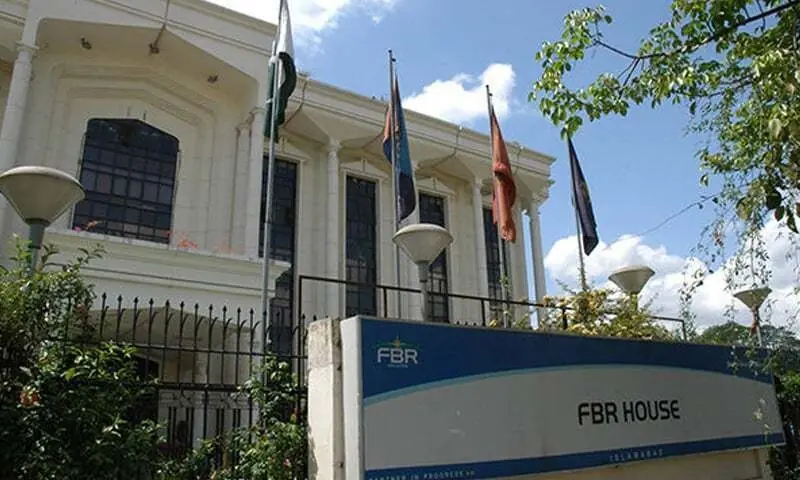
Islamabad: The Federal Board of Revenue (FBR) has introduced new rules to utilize artificial intelligence for the electronic scrutiny of individual tax returns. This automated system aims to identify factual and legal mistakes and discrepancies before taking legal or penal action. The draft rules, under the title "38-B Procedure for electronic scrutiny and intimation of issues detected by the automated system," have been proposed through amendments to the Income Tax Rules 2002. Finalization of these rules is expected after three days, following feedback from stakeholders.
A key aspect of this new arrangement is the automated analysis and cross-matching of information held by tax authorities. This process enables the system to compare details stated in income tax returns with other available data. It will flag potential discrepancies, prompting taxpayers to clarify the issues, rectify errors, or take corrective action through the IRIS portal. The automated system's role is to allow taxpayers to respond before legal or penal proceedings commence.
Detection of discrepancies by the automated system does not automatically trigger enforcement action. Taxpayers will first receive electronic notification of any discrepancies found in their income tax returns, with an opportunity to clarify or rectify them. The system-generated intimation may also be sent by an Inland Revenue officer with jurisdiction over the taxpayer.
The taxpayer will have a minimum seven-day response period, after which another reminder will be issued, providing a further seven-day window to respond. The Inland Revenue officer will then analyze the taxpayer's response, or lack thereof, before taking appropriate action under the relevant provisions of the Income Tax Ordinance and rules.
Written by urgent.news from Dawn Business's reporting — not their text. Machine-written — may contain errors; check the original before relying on it.
This story
This is one outlet's version. Read the fullest account.