FBR introduces rules for electronic scrutiny of taxpayers
ISLAMABAD: The Federal Board of Revenue (FBR) has begun extending the use of artificial intelligence to scrutinise individual tax returns, enabling its automated system to detect factual and legal mistakes and discrepancies before initiating legal or penal action. The draft rules, titled “38-B Procedure for electronic scrutiny and intimation of issues detected by the automated system”, have been…
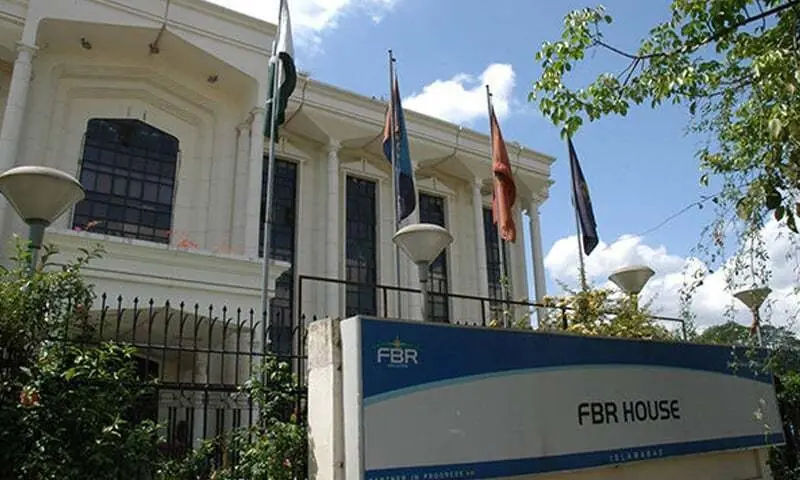
Islamabad: The Federal Board of Revenue (FBR) is rolling out new rules to use artificial intelligence for checking individual tax returns. The automated system will spot factual and legal errors before taking legal or penal action. The draft rules, titled "38-B Procedure for electronic scrutiny and intimation of issues detected by the automated system", are being proposed through amendments to the Income Tax Rules 2002.
After receiving feedback from stakeholders, the final rules will be set within three days. A major aspect of the plan is the automated comparison of data from tax authorities and income tax returns to spot potential mistakes. The system will alert taxpayers via the IRIS portal about any discrepancies, giving them a chance to correct errors before legal action is taken.
Taxpayers will receive electronic notice of the identified issues and have at least seven days to clarify or fix them. If a taxpayer doesn't respond within the time frame, they will be given another reminder. The Inland Revenue officer will then review the taxpayer's response before deciding on further action according to the Income Tax Ordinance and rules.
Written by urgent.news from Dawn - Pakistan's reporting — not their text. Machine-written — may contain errors; check the original before relying on it.