Despite Trump's visa curbs, more Chinese AI researchers work in the US than before
A Carnegie Endowment study of 10,280 NeurIPS 2025 authors finds that for every 30 Chinese-origin AI researchers working in the US, only one US-trained researcher works in China. China now produces 57% of elite AI talent and keeps more of it at home, as Singapore and South Korea gain ground. A Syracuse University expert warns the US faces a slow erosion of its pull on global talent.
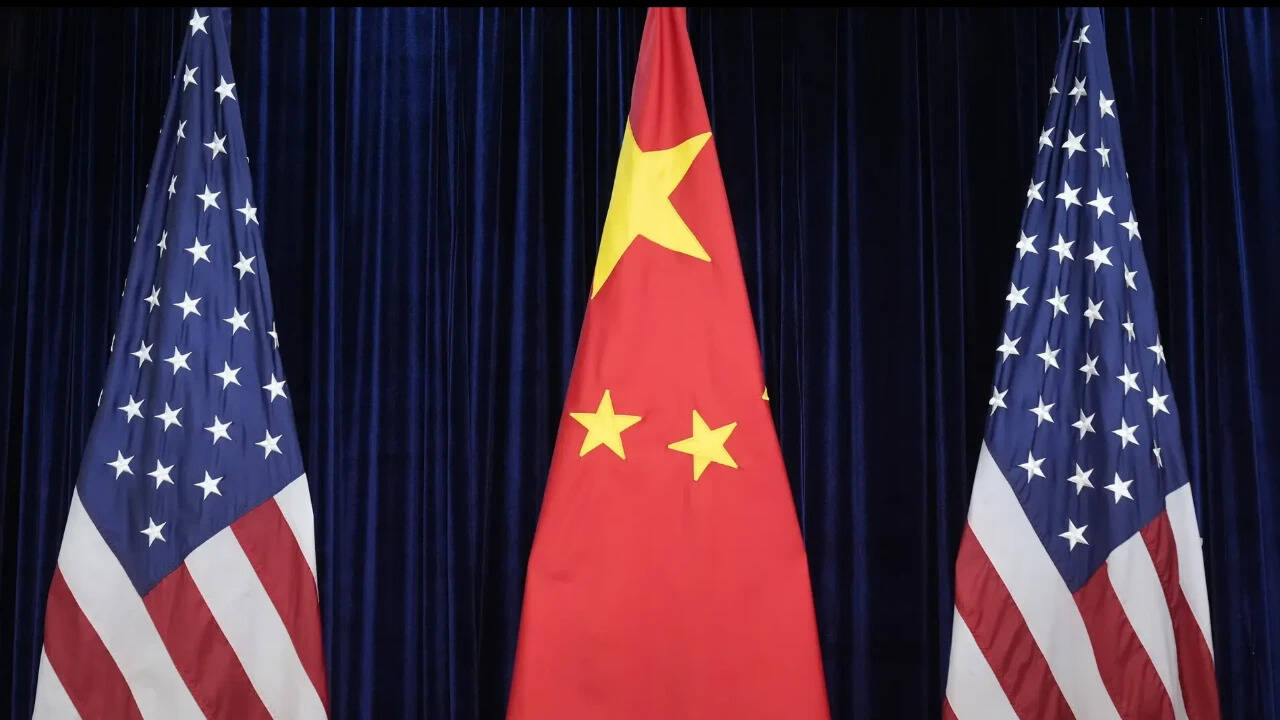
A new study from the Carnegie Endowment for International Peace reveals that despite US visa restrictions, more Chinese AI researchers are working in the United States than ever before. In 2025, for every 30 Chinese-origin AI researchers in the US, only one US-trained researcher was working in China, a stark contrast to the 46-to-one ratio in 2022.
This trend is concerning, as a sociology professor at Syracuse University warns that the erosion of the US's appeal to attract AI talent could compound over decades, making it difficult to reverse the trend once it has taken hold.
The study analyzed 10,280 authors behind papers presented at NeurIPS 2025, the top machine learning conference. Chinese-origin researchers now make up 36% of AI researchers in the US, up from 32% in 2022, while US-trained researchers dropped to 13% of the sample, down from 14%. China has overtaken the US as the leading destination for AI talent, with 41% of the authors working there, compared to 34% in the US.
Retention of Chinese AI talent within the country is also on the rise, with 69% of China-trained researchers now working in China, up from 57% in 2022. This can be attributed to the prestige associated with working in Chinese institutions, such as Peking University and Tsinghua, and the government's efforts to control the movement of top AI and chip executives, requiring government approval for short trips by their spouses and children.
Despite these measures, only 118 researchers trained elsewhere moved to China, and returnees remain rare. South Korea and Singapore are emerging as strong competitors in the AI talent race, with high retention rates and growing numbers of AI researchers.
Rewritten by urgent.news; may contain errors — check the original.
This story
This is one outlet's version. Read the fullest account.