Climate change and farming gave rise to ‘genetically distinct’ Beijing swan goose: study
Climate change and agricultural development have brought a new goose population to China with unique migratory patterns, a study has found. In an article on the Chinese Academy of Sciences website, researchers from the CAS Institute of Zoology said they had discovered a “genetically distinct” population of swan geese that emerged in Beijing over the past century. They said the timing of their…
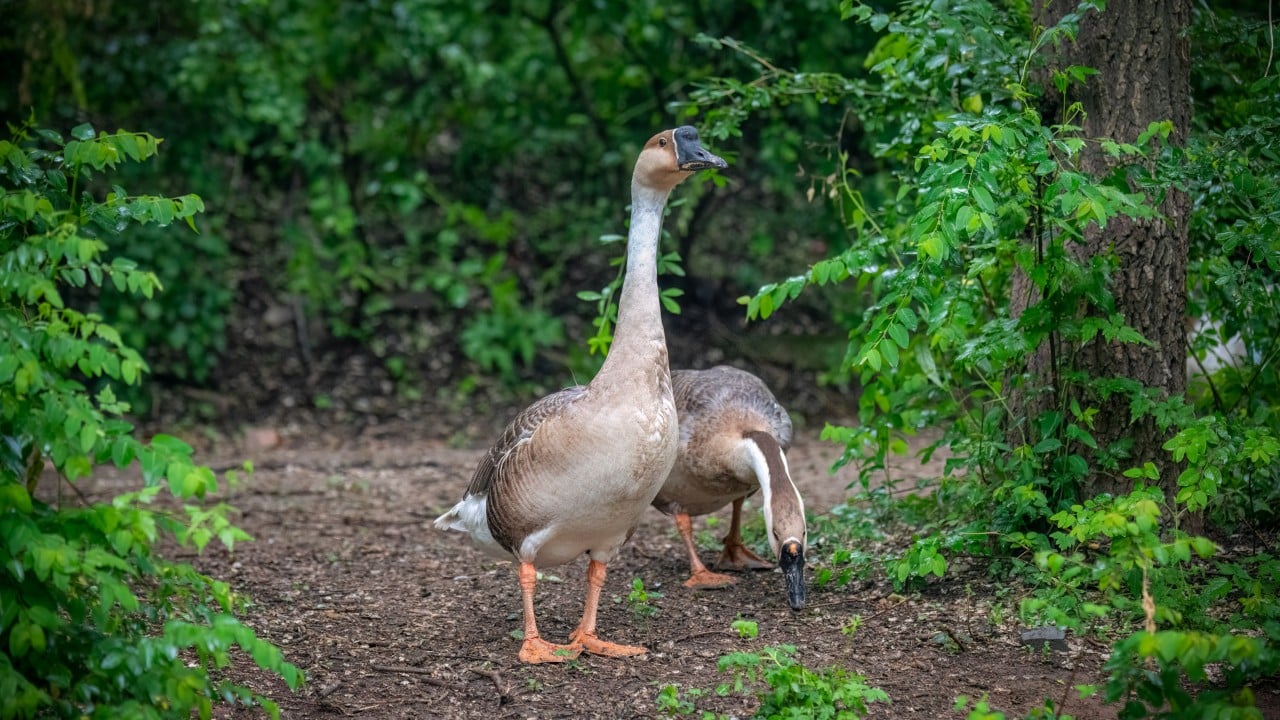
A study from the Chinese Academy of Sciences reveals a new, genetically distinct population of swan geese residing in Beijing, emerging over the past century. This unique flock's arrival coincides with environmental changes during the early 20th century, including climate warming, rice field expansion, and irrigated agriculture development.
The research, published in Science Bulletin in June, sheds light on how migrating birds react to rapid environmental shifts and provides a basis for conservation efforts in East Asia. The swan goose (Anser cygnoides) is a migratory species native to East Asia, with wild populations mainly breeding in Mongolia, Russia, and Northeast China.
In Beijing, the geese have adapted to a partial migration pattern, with two-thirds of the flock migrating south in autumn, while the remaining third overwinters there. The genetic analysis shows the Beijing birds diverged from their eastern Mongolian ancestors and other wild populations within the last 100 years, suggesting the unique population thrived due to favorable ecological conditions created by the environmental changes.
Rewritten by urgent.news; may contain errors — check the original.
This story
This is one outlet's version. Read the fullest account.