Climate change and farming gave rise to ‘genetically distinct’ Beijing swan goose: study
Climate change and agricultural development have brought a new goose population to China with unique migratory patterns, a study has found. In an article on the Chinese Academy of Sciences website, researchers from the CAS Institute of Zoology said they had discovered a “genetically distinct” population of swan geese that emerged in Beijing over the past century. They said the timing of their…
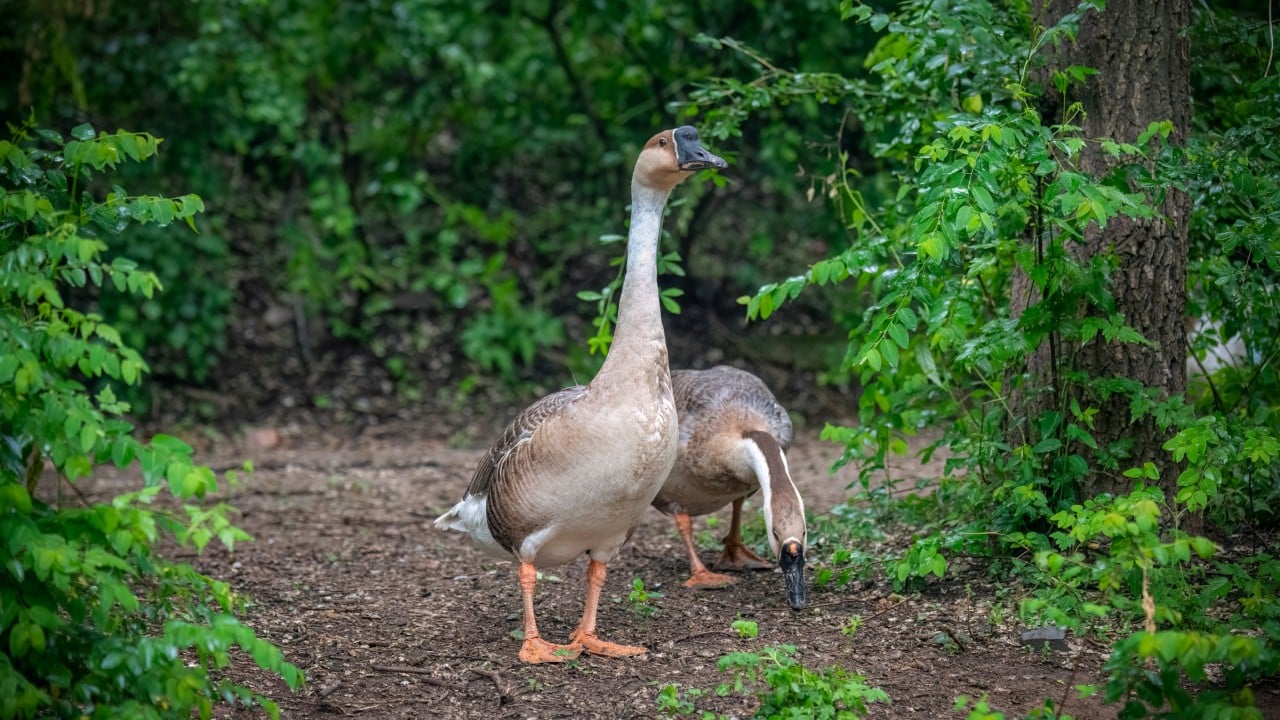
A study published in Science Bulletin revealed the emergence of a genetically unique population of swan geese in Beijing over the past century. Researchers from the Chinese Academy of Sciences Institute of Zoology found that this distinct flock developed due to climate change and agricultural expansion in the early 20th century.
The swan goose (Anser cygnoides) is a migratory species found in East Asia, primarily breeding in Mongolia, Russia, and Northeast China. Historically, there were no records of breeding swan geese in Beijing. However, recent field surveys indicate a dramatic shift, with breeding populations now established within the city. Genetic analysis showed that these Beijing geese are genetically distinct from both domestic and other wild populations, but closely related to wild lineages in eastern Mongolia and Northeast China.
The researchers believe the divergence happened within the last 100 years and was likely a response to significant environmental changes, including regional warming and the expansion of irrigated agricultural land. To document the birds' altered behavior, researchers attached GPS transmitters to 16 swan geese at Beijing's Milu Park during the 2020 and 2022 breeding seasons.
The data revealed a "partial migration" pattern, with two-thirds of the flock migrating south in autumn, while the remaining third remained in Beijing to overwinter. The study highlights the importance of understanding rapid shifts in migratory strategies and population dynamics for effective conservation planning of this endangered species.
Written by urgent.news from South China Morning Post's reporting — not their text. Machine-written — may contain errors; check the original before relying on it.