China’s High-Tech Ambitions Have a Blue-Collar Status Problem
Most Chinese still view vocational schools and skilled labor as low status and undesirable.
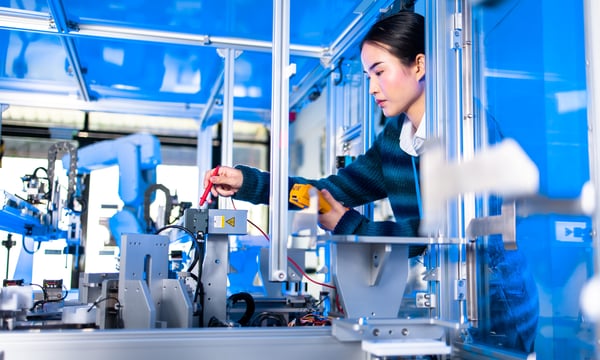
China's triumph at the WorldSkills competition in Shanghai, where the Chinese team dominated with 41 gold, 11 silver, and 4 bronze medals, has largely been overshadowed by their success at the Asian Games. This victory is not just a testament to China's investment in systematic coaching and training for vocational skills athletes, but also a reflection of the country's broader ambitions to boost the status of skilled labor.
The Chinese Ministry of Education highlighted the need for vocational reform, emphasizing that current vocational schools lack the connection with employers and produce few skilled workers necessary for China's high-tech manufacturing future. The Five-Year Plan underscores manufacturing's central role in China's high-tech future and national security, suggesting that vocational schools need not just better curriculums but also the best talent.
The surge in university enrollments, from 1 million in 1999 to 9.6 million in 2020, has created a cultural norm where a bachelor's degree and white-collar work are more desirable than vocational education and manual labor. This social hierarchy is evident in study abroad trends, where Chinese families prioritize prestigious universities over technical apprenticeships despite the latter's lower costs and clear employment paths.
China's vocational education overhaul aims to combat this cultural norm by collaborating with major manufacturers, offering apprenticeships at companies like Huawei and Xiaomi, and integrating bachelor's degrees into vocational training.
However, changing ingrained cultural attitudes toward vocational education is a daunting task. The prestige of Chinese medalists in WorldSkills is not just about national pride but also about elevating the status of vocational professions. While China is transforming many vocational schools into diploma-granting colleges, the challenge remains in breaking the social hierarchy that views technical education as inferior to university education.
The question remains whether China's talent pool will be sufficiently attracted to the more appealing job prospects in manufacturing, and if the country's educational culture will evolve as quickly as its industrial policies and technologies.
Written by urgent.news from The Diplomat's reporting — not their text. Machine-written — may contain errors; check the original before relying on it.