Chemistry Nobel goes to reactions like those that gave life a hand
Altering molecular handedness has implications for the origins of life.
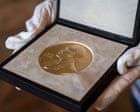
The Nobel Prize in Chemistry has been awarded to two scientists, Henri Kagan and Kenso Soai, for their groundbreaking work in understanding chemical reactions that help give life its unique characteristics.
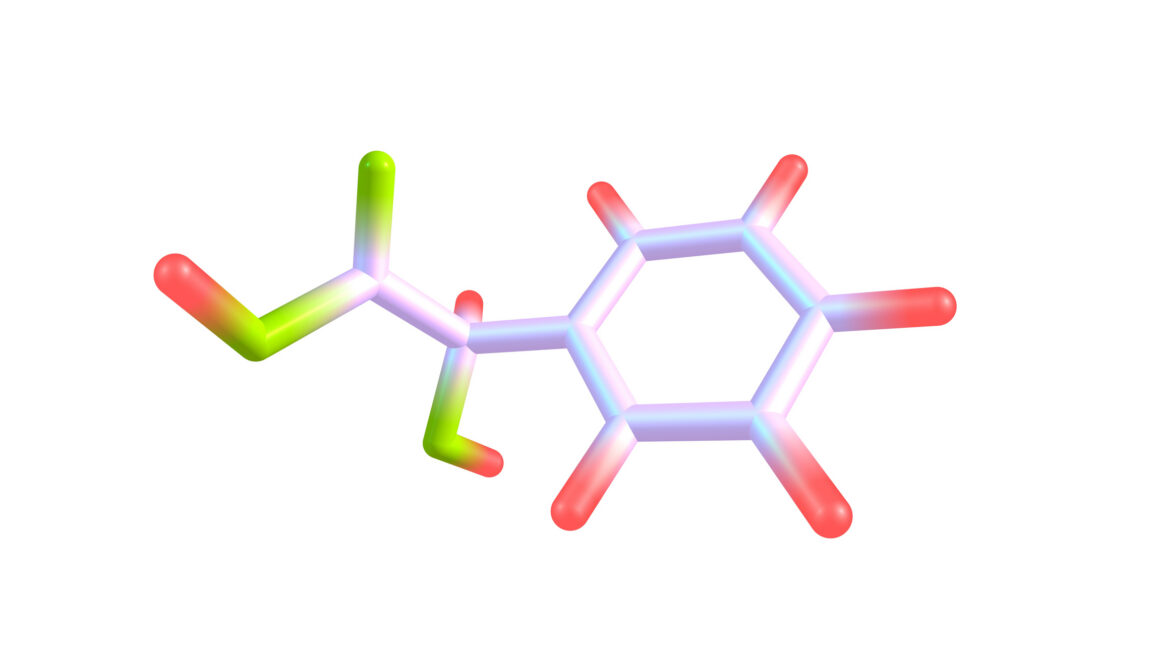
Life on Earth relies on complex molecules that possess a specific "handedness," meaning these molecules are chemically identical yet mirror images of each other. Most chemical reactions typically produce a 50-50 mix of the left- and right-handed forms of a chemical. However, life only utilizes one of these forms, with the other being disregarded.
This selective use of handedness poses significant challenges for scientists studying the origin of life. The emergence of a world that may have initially consisted of an even distribution of left- and right-handed chemicals, evolving into one that exclusively uses one form, requires explanation.
Kagan and Soai's discoveries shed light on the possibility of chemical reactions being biased, resulting in large excesses of one form over the other. Their findings provide valuable insights into how life could have developed from a seemingly balanced chemical environment.
The award serves as a testament to the crucial role that these chemical processes play in shaping the fundamental properties of living organisms.
Written by urgent.news from Ars Technica Science's reporting — not their text. Machine-written — may contain errors; check the original before relying on it.
This story
This is one outlet's version. Read the fullest account.