Chemistry Nobel goes to reactions like those that gave life a hand
Altering molecular handedness has implications for the origins of life.
The 2022 Nobel Prize in Chemistry has been awarded to Henri Kagan and Kenso Soai for their groundbreaking discoveries regarding chemical reactions that favor the formation of one type of molecule over another. This bias in reactions, which results in an abundance of a single form of a chemical, played a crucial role in the development of life as we know it.
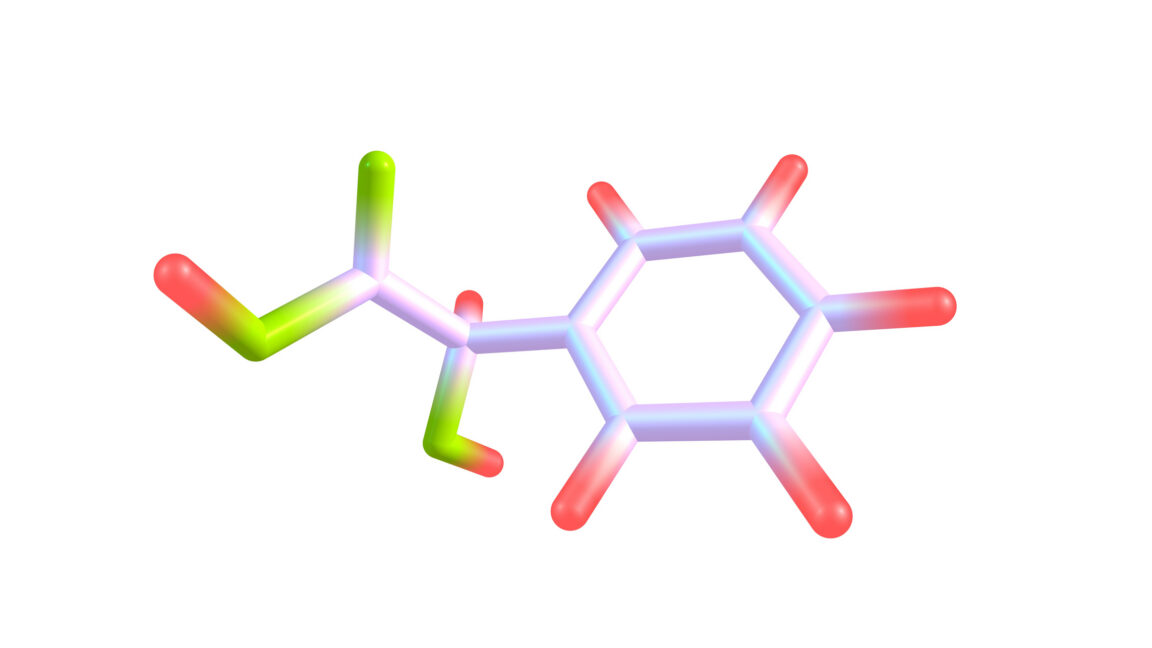
Most chemical reactions produce an equal mix of left- and right-handed forms of a molecule, known as "handedness." However, life relies on just one of these forms, with the other being ignored or even harmful. This selectivity of handedness is a fundamental characteristic of biological systems. Organisms employ numerous key enzymes, and these enzymes only function properly when interacting with the correct handedness of molecules.
If presented with molecules of the wrong handedness, the enzymes fail to perform their essential functions.
This phenomenon of biased chemical reactions poses a significant challenge for scientists studying the origin of life. The early Earth, if it began with an even distribution of left- and right-handed chemicals, would have faced the daunting task of producing organisms that exclusively utilized one type of molecule. To address this conundrum, Kagan and Soai uncovered the existence of chemical reactions that are inherently biased. These reactions can generate a substantial excess of one form of a chemical over the other.
Their pioneering work sheds light on the mechanisms by which life may have emerged from a seemingly balanced chemical soup. By demonstrating that chemical reactions can favor the production of one handedness over another, Kagan and Soai have provided a crucial piece of the puzzle in understanding how life on Earth arose. Their discoveries have opened up new avenues for research into the early stages of life's development and the fundamental principles that govern chemical reactions.
Written by urgent.news from Ars Technica's reporting — not their text. Machine-written — may contain errors; check the original before relying on it.