Asfalto, il caro energia moltiplica i costi
Il valore alla produzione dell’asfalto ha toccato i 4 miliardi di euro mentre la produzione è stata di 34,8 milioni di tonnellate (+3,6% rispetto al 2025). È un andamento positivo...
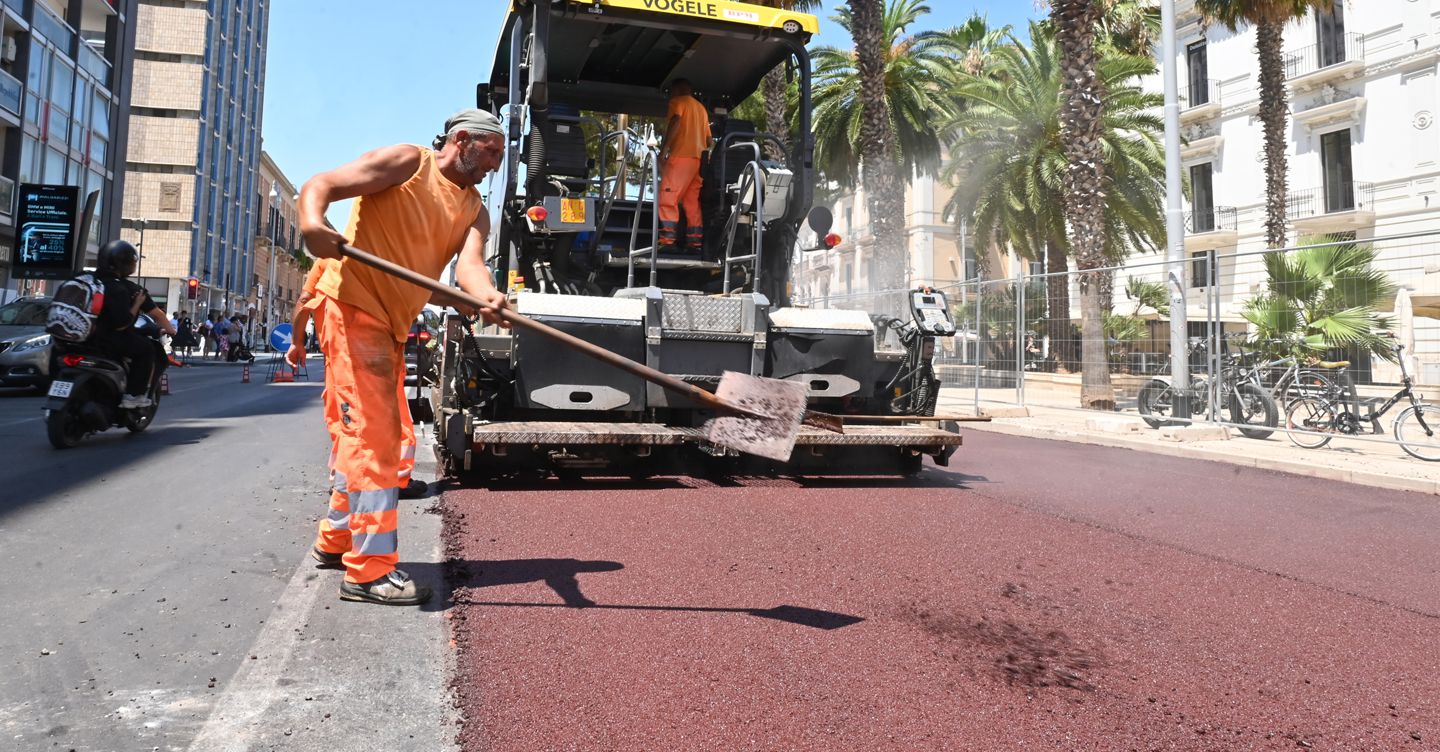
The production of asphalt has reached an estimated 4 billion euros, with a production volume of 34.8 million tonnes (a 3.6% increase compared to 2025). The road construction industry faces rising industrial costs, but the price revision system, according to entrepreneurs, has its limitations. This conclusion is derived from a report by Siteb, Strade italiane and bitumi, in conjunction with the opening day of Asphaltica 2026, a salon dedicated to road technologies, solutions, and infrastructure, currently underway in Bologna, organized by the Association and Bolognafiere.
Preliminary estimates for 2026 predict an increase in production and construction costs to 4 billion euros (+5.3%), maintaining an occupational base of approximately 40,000 workers. The number of production plants is expected to rise to 430 in 2026 from 415 in 2025 and 400 in 2024. The energy crisis is affecting the sector with a sharp increase in production costs and logistical burdens.
In Italy, asphalt production plants are powered by about 50% methane gas and the remainder by fuel oil. The effect on bitumen quotations in the first eight months of the year has led to price hikes between 65-70%, with the average price per tonne increasing from 420 to over 700 euros. Companies are struggling with the price increases, particularly in public contract execution.
The Tol 5 system, which sets homogeneous types of work for public works price revision, is deemed inadequate by operators to fully reflect the extent of the cost increases, recognizing changes of only 3-4%. Raffaella Donghi, Siteb's president, notes that "2026 confirms the vitality of the road infrastructure sector, with a growing production of bituminous conglomerates and a production value reaching 4 billion euros."
However, the reality behind these numbers is more complex: companies are facing significant increases in energy costs, transportation, and raw materials, with bitumen prices rising by up to +70% in some cases. The risk is that existing price revision mechanisms may not capture the true cost dynamics, creating tensions in public works execution and jeopardizing the economic sustainability of contracts.
In addition to cost issues, Siteb emphasizes the implementation of the Cam Strade, an acronym for Minimum Environmental Criteria for Road Infrastructures, which entered into force nearly two years ago. According to the Association, the measure has had a positive impact on the sector, promoting and increasing the use of technology for material reuse and energy consumption reduction.
However, difficulties remain in the practical application of the new regulations. Many public entities, especially small municipalities and provinces, were not adequately prepared for the implementation of Cam, which, while mandatory, remains frequently overlooked. Donghi hopes that "the Cam Strade is an important opportunity to accelerate the sector's transformation, as it values material recovery, circular economy, and technologies capable of reducing energy consumption and limiting the sector's carbon footprint.
Now it is necessary to equip public road owners with the means to apply it concretely, accompanying new rules with expertise, tools, and adequate programming. At the same time, the issue of costs and price revision must be urgently addressed: a modern, safe, and sustainable road network requires investment, but also economic conditions that enable companies to carry out work while ensuring quality and durability."
Written by urgent.news from Il Sole 24 Ore's reporting — not their text. Machine-written — may contain errors; check the original before relying on it.