2026 Physics Nobel: The science of ‘neutrinos’, ‘ghost’ particles that can reveal universe’s mysteries
The 2026 Nobel Prize in Physics was awarded to Francis Halzen, a Belgian-American scientist, for his pioneering work on detecting "neutrinos," often referred to as "ghost particles" due to their extremely low interaction with matter. Neutrinos are sub-atomic particles produced in nuclear reactions, such as those in stars, and are among the most abundant particles in the universe, second only to photons.
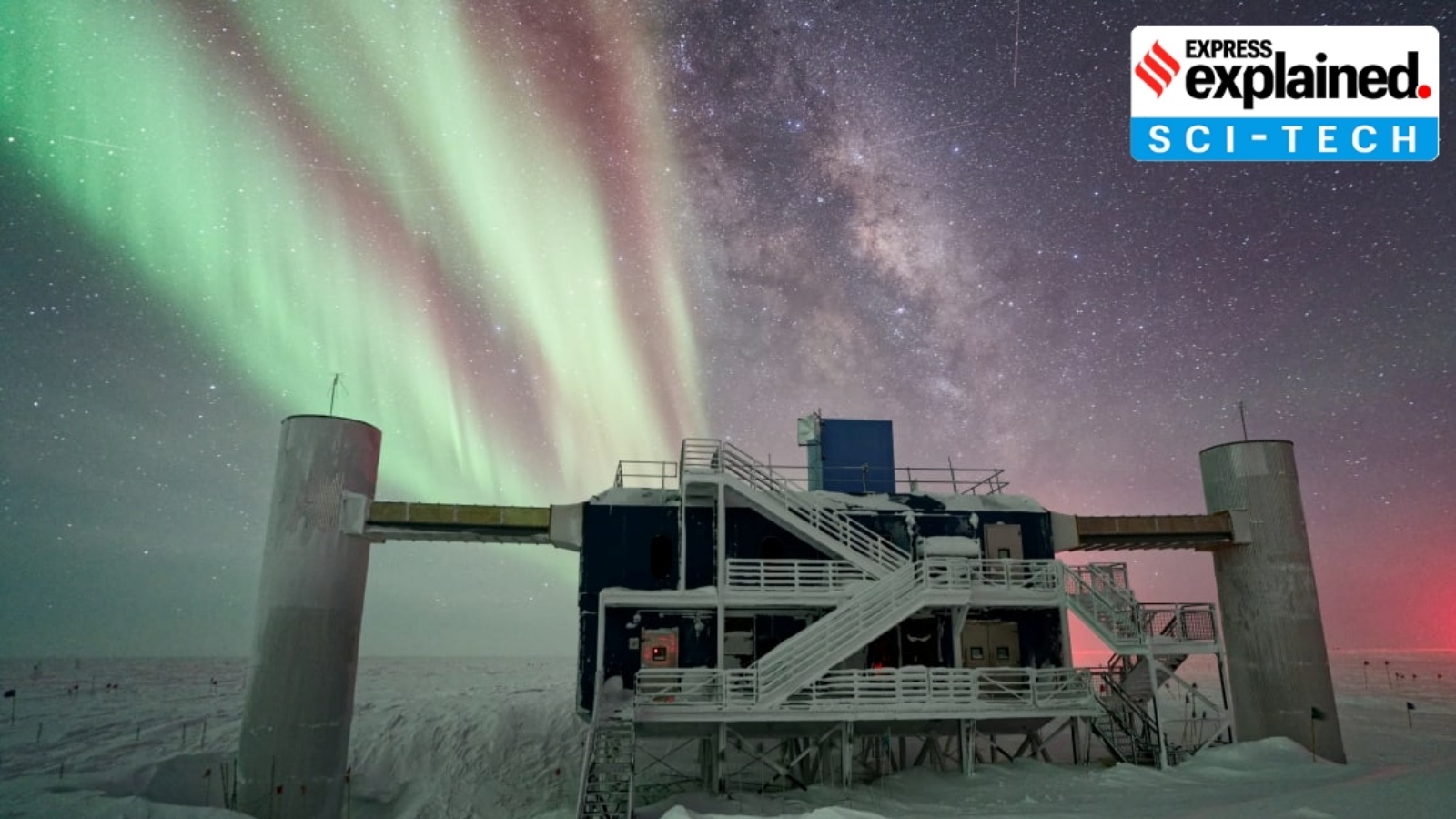
Halzen's IceCube facility in Antarctica played a crucial role in the detection of these elusive particles. The facility, which is essentially a cubic kilometer of ice with over 5,000 light sensors, was designed to detect high-energy neutrinos coming from far away in space. This was a significant achievement, as previous neutrino observatories had only detected neutrinos originating from the Earth's vicinity, primarily from the Sun.
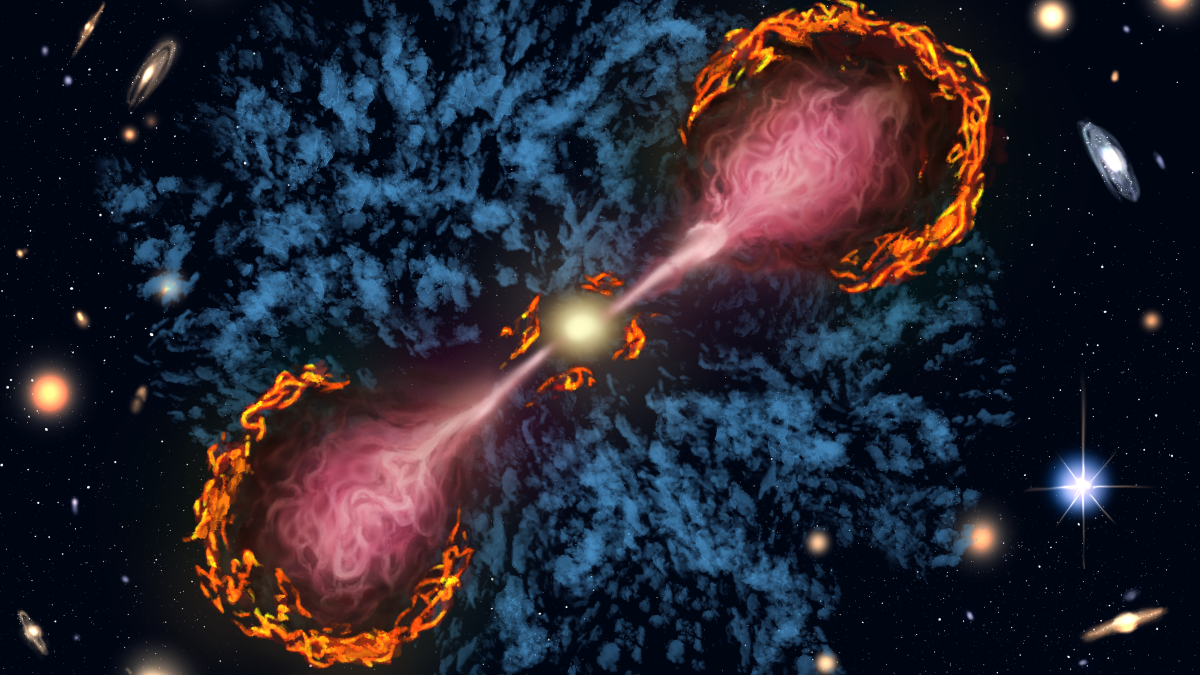
The detection of extra-galactic neutrinos by the IceCube facility has opened up a new realm of information about the universe. Unlike visible light, neutrinos can pass through dense cosmic regions, revealing processes occurring within or beyond these areas, which are otherwise inaccessible to scientists. This capability has led to the development of multi-messenger astronomy, where different cosmic events can be studied using various signals, including neutrinos.
The Nobel Prize committee described neutrinos as the "shyest particle" due to their extremely low propensity to interact with matter. Neutrinos pass through dense regions of matter without any disturbance, passing through human finger nails approximately 65 billion times every second without being noticed. Their detection requires large, isolated facilities built deep underground or in ice to maximize interaction chances and minimize noise.
Written by urgent.news from The Indian Express's reporting — not their text. Machine-written — may contain errors; check the original before relying on it.