Zeiss Ikon’s nice icons – celebrate by looking at a century of classic Zeiss and Contax cameras
John Wade celibates the centenary of one of Germany’s most prestigious camera makers The post Zeiss Ikon’s nice icons – celebrate by looking at a century of classic Zeiss and Contax cameras appeared first on Amateur Photographer .
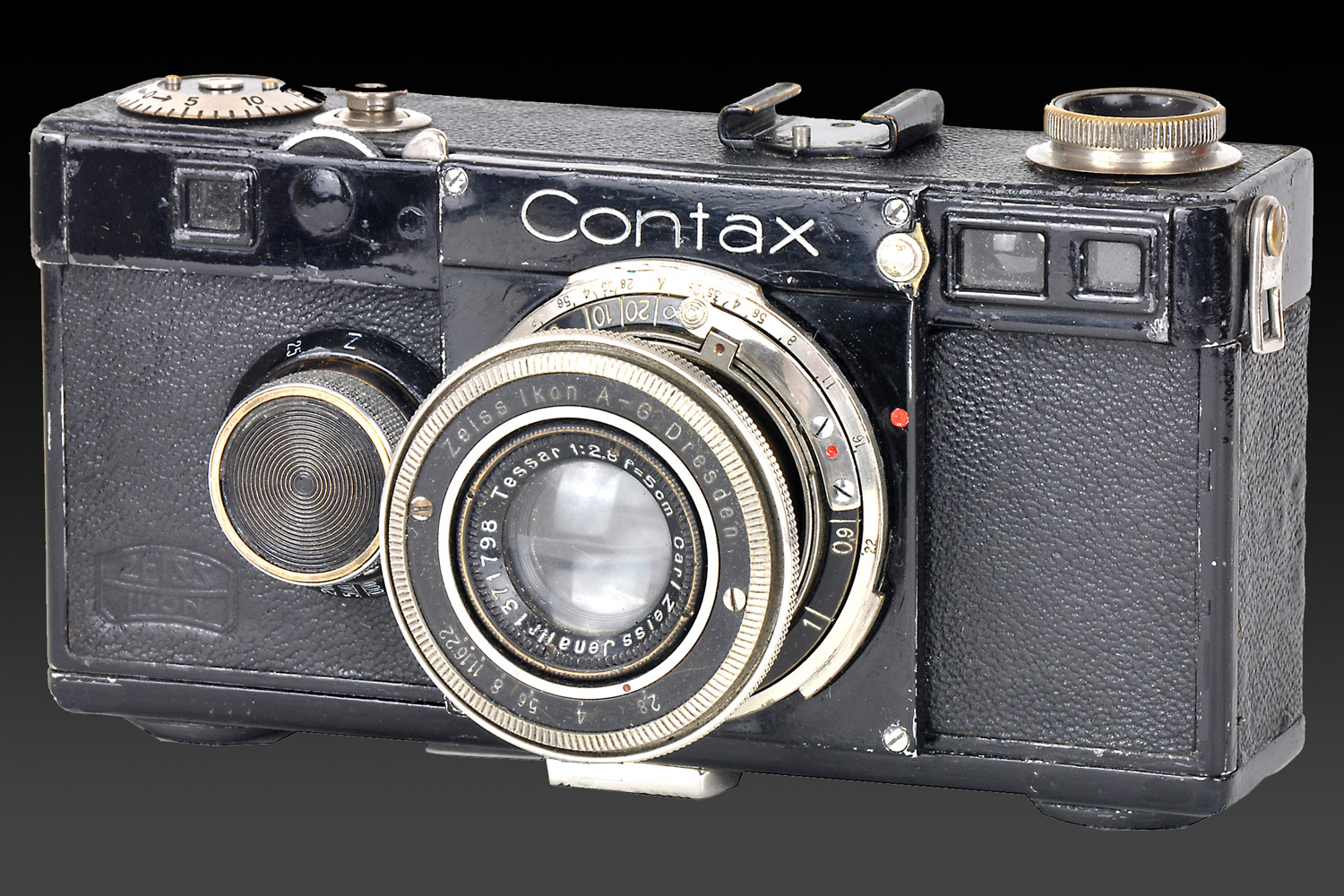
In 1926, Germany faced economic struggles following World War I, and Carl Zeiss took action by uniting four camera makers – Contessa-Nettel, Goerz, Erneman, and Ica – under a single entity known as Zeiss Ikon, established in Dresden. The new company boasted a wide array of cameras, from box cameras to large format reflexes, and even cine equipment. However, they lacked a 35mm camera, which was about to change.
In 1929, a talented engineer named Heinz Kuppenbender was sent to Dresden with the task of streamlining the Zeiss Ikon range and designing a revolutionary 35mm camera to challenge the Leica's dominance. The result was the Contax, which marked the beginning of a new era for the brand.
As Zeiss Ikon entered the 1930s, they introduced a series of innovative designs, catering to various photography enthusiasts. Smaller roll film cameras addressed the craze for compact cameras, while the Contax and other models revolutionized 35mm photography. Medium format enthusiasts found new folding cameras with refined rangefinders, while snapshot cameras remained simple yet sophisticated. Twin lens reflex cameras were also launched during this period.
When World War II broke out in 1939, the company suffered severe damage. In February 1945, the British and American forces dropped nearly 4,000 tons of bombs on Dresden, destroying its industrial capabilities and crucial records. The remnants of Zeiss Ikon were then split into three parts: Contax was taken to Kiev and renamed, becoming a Soviet-made camera; another part was relocated to Stuttgart, and the remaining part was nationalized in Dresden as VEB Zeiss Ikon.
In 1948, East Germany nationalized the factory in Dresden, turning it into VEB Zeiss Ikon. They began remaking pre-war designs before launching a groundbreaking single-lens reflex camera. Meanwhile, the company in Stuttgart began prospering once more as a highly respected manufacturer of 35mm cameras and SLRs, catering to both amateur and professional markets.
Written by urgent.news from Amateur Photographer's reporting — not their text. Machine-written — may contain errors; check the original before relying on it.