Why Telecom Operators Are Building Their AI Strategy on Open Models
Telecom operators are increasingly building their AI strategies on open models — and the reasons go beyond mere cost. Open models give telcos the ability to trust, control and customize AI across their most critical workloads — from autonomous networks to customer care. NVIDIA’s latest State of AI in Telecommunications report reflects this shift, with […]
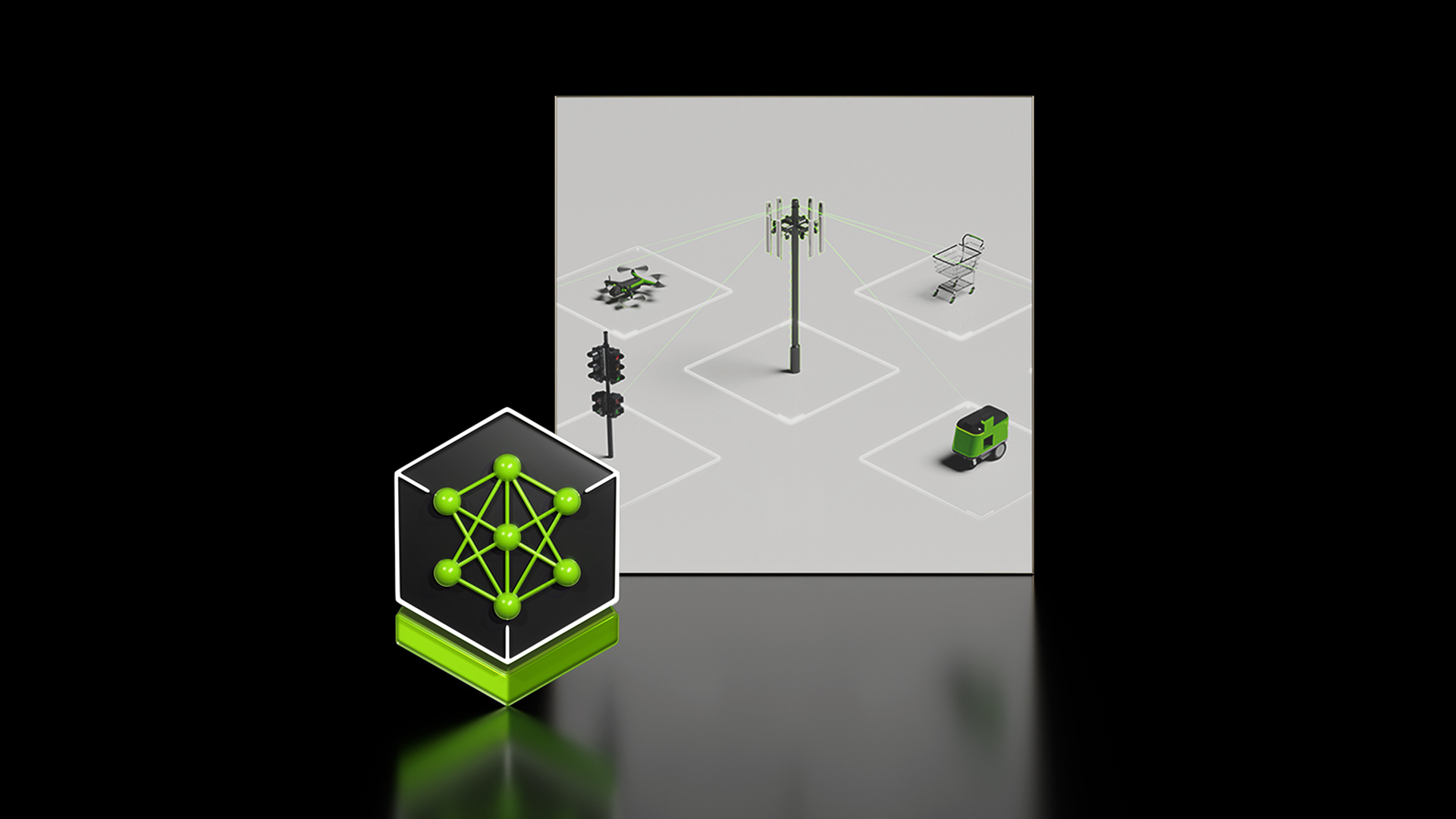
Telecom operators are increasingly adopting open models for their AI strategies, driven by factors beyond just cost efficiency. Open models offer telecom companies greater trust, control, and customization across critical workloads, such as autonomous networks and customer care. According to NVIDIA's latest State of AI in Telecommunications report, 89% of surveyed respondents consider open source models and software vital to their AI strategies.
The strategic advantages of open models are multi-faceted: they provide access to cutting-edge intelligence at lower costs, reserving closed models for workloads with the highest value. Open models also enable telcos to customize AI solutions for their specific needs by fine-tuning open weights and training recipes using their own network, customer, and industry data.
Additionally, open models enhance trustworthiness through greater visibility and control over model behavior, allowing for alignment with regulations and business policies. They offer flexible, secure deployment across various environments, from public clouds to edge devices. Moreover, open models enable telecom operators to deliver localized AI services to enterprise and government customers by hosting and fine-tuning open models on their platforms.
The NVIDIA Nemotron family of open models exemplifies the frontier-level reasoning performance tailored for agentic workflows and speech applications in voice systems. SoftBank Corp. demonstrates how operators can leverage open models to augment their telecom-specific AI capabilities. Rajeev Koodli, senior vice president of SB Telecom America, highlights the use of open foundations, including NVIDIA Nemotron models, in developing the SoftBank Large Telecom Model for telecom-specific applications like network operations and management.
In collaboration with partners, NVIDIA is transforming open models into practical tools for telecom AI, such as the 30-billion-parameter Nemotron 3 Large Telco Model fine-tuned for telecom data, offering improved accuracy in telecom-specific tasks. AT&T emphasizes the importance of aligning model choice with business priorities, advocating for an approach that matches every workload to the optimal model combination in terms of performance, cost, and control.
NVIDIA's platform, powered by NVIDIA AI Enterprise software and NVIDIA Agent Toolkit, facilitates the production deployment of open models through data preparation, open model integration, agent orchestration, secure runtimes, and simulation. By integrating open models into production workflows, telecom operators can leverage a foundation to deliver AI services customized to local languages, industries, regulations, and data governance requirements, enabling them to not only adopt AI but also build capabilities tailored to local needs.
Written by urgent.news from NVIDIA Blog's reporting — not their text. Machine-written — may contain errors; check the original before relying on it.