Why has war returned to Ethiopia?
Nearly four years after a peace deal ended one of this century’s deadliest wars, fighting has broken out in Ethiopia 's northern Tigray region once again. But the battle lines have shifted this time, with former enemies joining forces against Prime Minister Abiy Ahmed and Tigrayan factions fighting on opposing sides. The Tigrayan People's Liberation Front (TPLF) and Tigray Defence Forces launched…
Nearly four years after a peace agreement concluded one of the deadliest conflicts of the 21st century, hostilities have erupted once more in Ethiopia's northern Tigray region. This time, the combatants have changed, with former adversaries allied against Prime Minister Abiy Ahmed, while Tigrayan factions are now fighting on opposing sides.
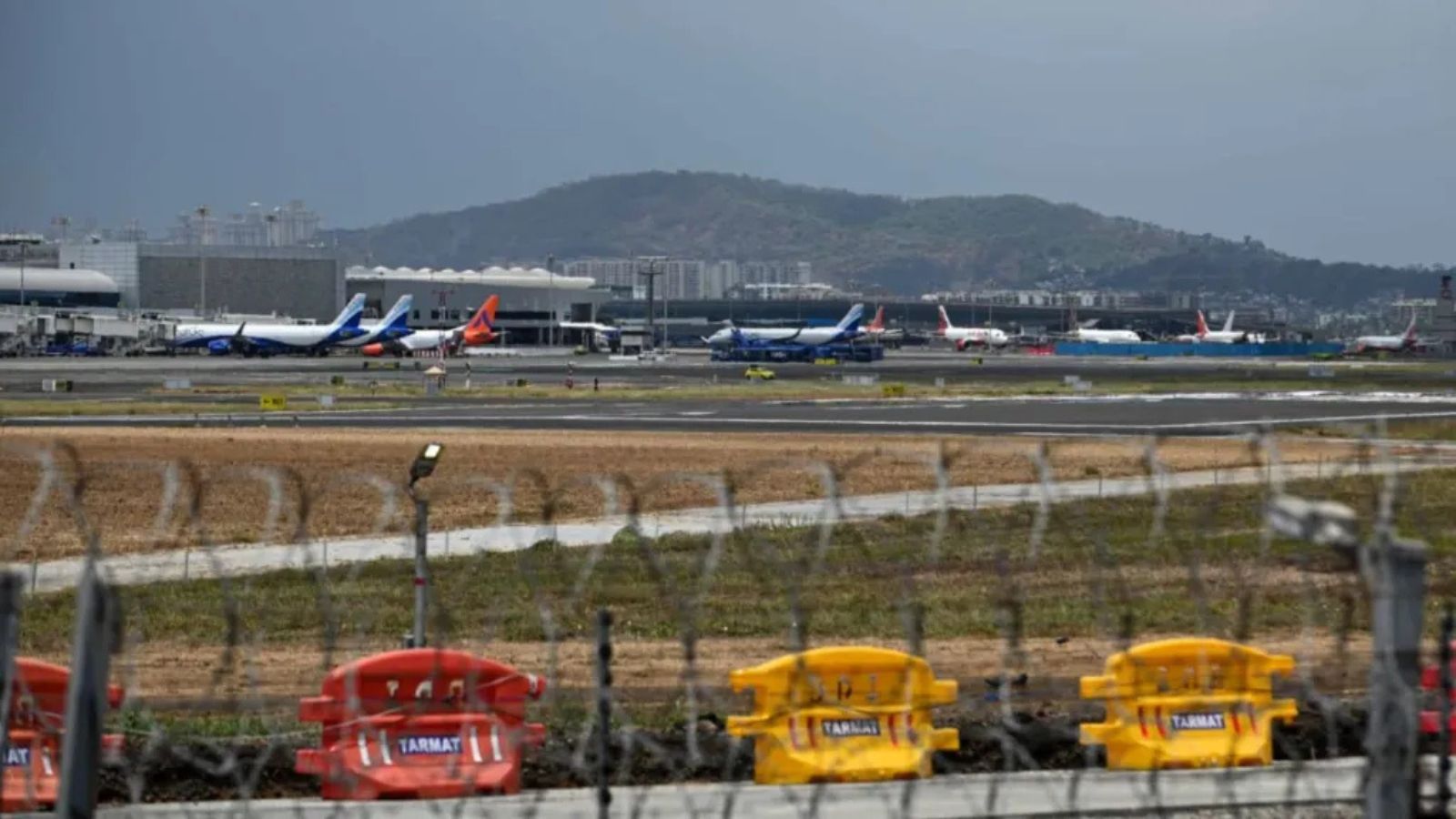
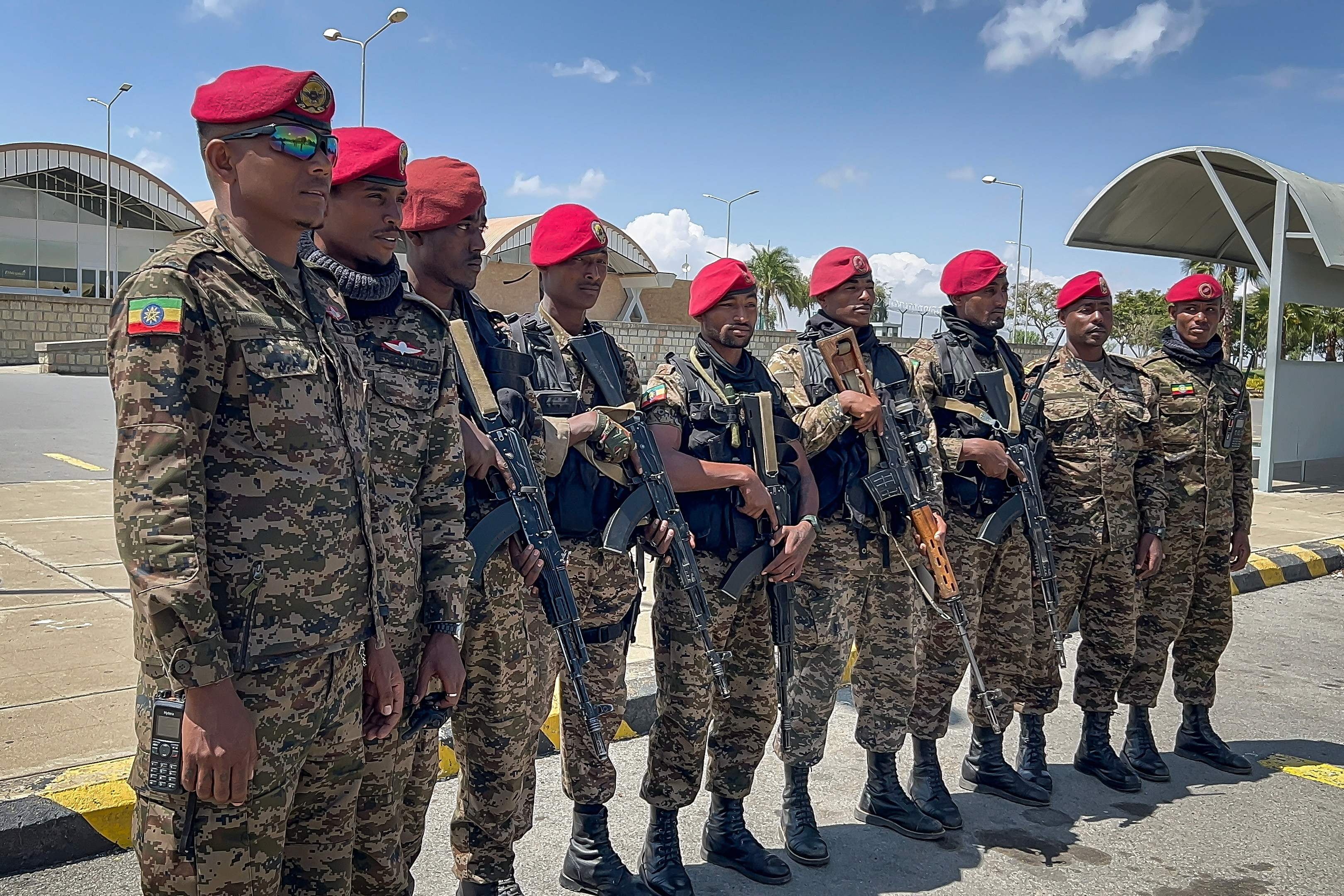
The Tigrayan People's Liberation Front (TPLF) and Tigray Defense Forces launched a major offensive on September 23, capturing key airfields in Mekelle, Aksum, and Shire. Federal forces and allied fighters swiftly counter-attacked, retaking Mekelle on Saturday and declaring full control by the following day. The TPLF acknowledged its retreat in a statement on Sunday, stating that its regional government would be "temporarily relocated from Mekelle to another location".
However, the conflict is far from over, with ongoing air strikes and artillery exchanges reported overnight. Humanitarian sources indicate that at least 17 people were killed in air attacks on the towns of Adwa and Sheraro. Addis Ababa accuses Egypt, Eritrea, and Sudan's Armed Forces of supporting the rebellion, though all three nations deny involvement, yet their grievances with Ethiopia risk transforming a domestic conflict into a broader regional one.
The origins of the conflict lie in the contested territory of Tigray, a northern region bordering Eritrea and Sudan, where the majority of the population speaks Tigrinya. Ethiopia's administration is organized largely along ethnic and linguistic lines, leading to heightened tensions over boundaries, political representation, and central authority.
The TPLF dominated Ethiopia's ruling coalition for nearly three decades before Prime Minister Abiy took office in 2018. After he formed a new party, the TPLF's leaders withdrew to Tigray, setting the stage for civil war in November 2020, when Tigrayan forces attacked federal army bases. This conflict escalated quickly, drawing in federal forces, Tigray's neighbors, Fano militias, and Eritrean troops.
The war eventually spread to Amhara and Afar regions, resulting in the deaths of hundreds of thousands due to violence, famine, and the breakdown of essential services. An African Union-brokered agreement in November 2022 halted the major fighting, requiring the TPLF to disarm and granting Tigray an interim administration acceptable to both sides.
However, the deal did not address territorial disputes and excluded Eritrea, a significant participant in the war.
The resumption of fighting stems from unresolved territorial disputes, with many Tigrayans displaced to camps. The TPLF deemed the Pretoria agreement as unfair, while the federal government accused the TPLF of not disarming as required. A split within the TPLF further undermined the peace, with Getachew Reda, a former party spokesman and interim Tigray administrator, favoring dialogue with Addis Ababa.
His opposition faction, led by Debretsion Gebremichael, accused him of betraying Tigrayan interests, leading to Getachew's expulsion from the interim administration in early 2025. In April 2025, Prime Minister Abiy appointed Debretsion as an adviser with ministerial rank. The TPLF subsequently restored the pre-war regional council and named Debretsion as regional president.
The interim government backed by Addis Ababa rejected this move as illegal. The TPLF increased military conscription and signaled its intent to remove Prime Minister Abiy. In response, Addis Ababa imposed economic sanctions and launched drone strikes on Tigray. On September 20, seven organizations formed the Ethiopian Peoples' Forces Alliance for Survival, pledging to oust Prime Minister Abiy.
The following day, the government launched a major drone attack against Tigrayan forces. Although the TPLF claims its campaign is defensive, the International Crisis Group attributes the large-scale ground offensive primarily to the TPLF and its allies. The opposition alliance comprises various groups, including the TPLF, Amhara Fano National Movement, Oromo Liberation Army, Ogaden National Liberation Front, Afar Revolutionary Democratic Unity Front, Benishangul Peoples' Liberation Movement, and Gumuz Peoples' Democratic Movement.
While co-operation exists, rival territorial claims and disagreement over the future of Mr. Abiy's government remain significant obstacles to a lasting resolution.
Written by urgent.news from The National Business's reporting — not their text. Machine-written — may contain errors; check the original before relying on it.
This story
This is one outlet's version. Read the fullest account.
- Why has war returned to Ethiopia? thenationalnews.com