Why has war returned to Ethiopia?
Nearly four years after a peace deal ended one of this century’s deadliest wars, fighting has broken out in Ethiopia 's northern Tigray region once again. But the battle lines have shifted this time, with former enemies joining forces against Prime Minister Abiy Ahmed and Tigrayan factions fighting on opposing sides. The Tigrayan People's Liberation Front (TPLF) and Tigray Defence Forces launched…
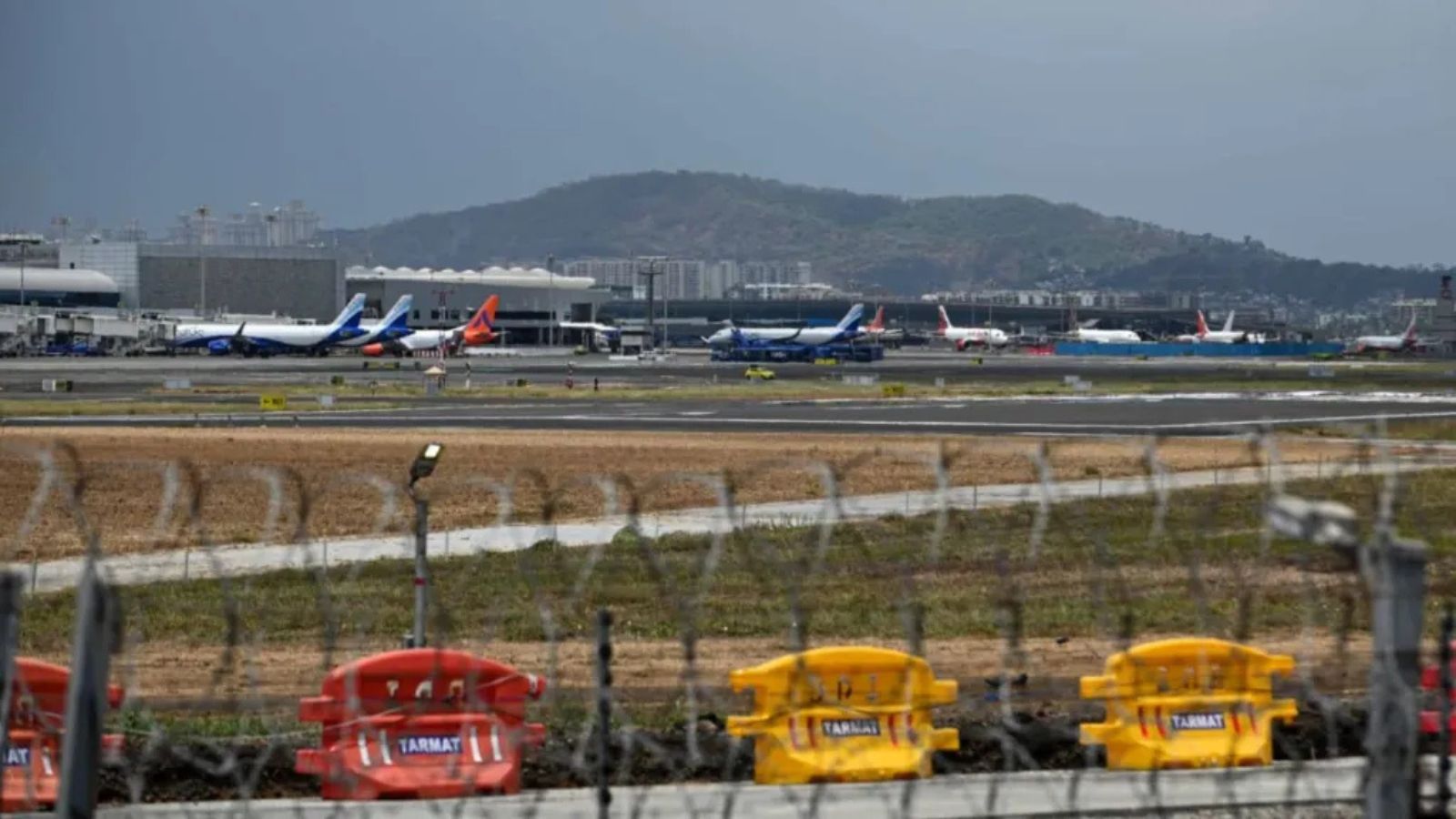
Nearly four years after a peace deal ended one of this century's deadliest wars, fighting has erupted once again in Ethiopia's northern Tigray region. This time, former enemies have joined forces against Prime Minister Abiy Ahmed, while Tigrayan factions are fighting on opposing sides. On September 23, the Tigrayan People's Liberation Front (TPLF) and Tigray Defence Forces launched a major offensive, seizing key airports in the region.
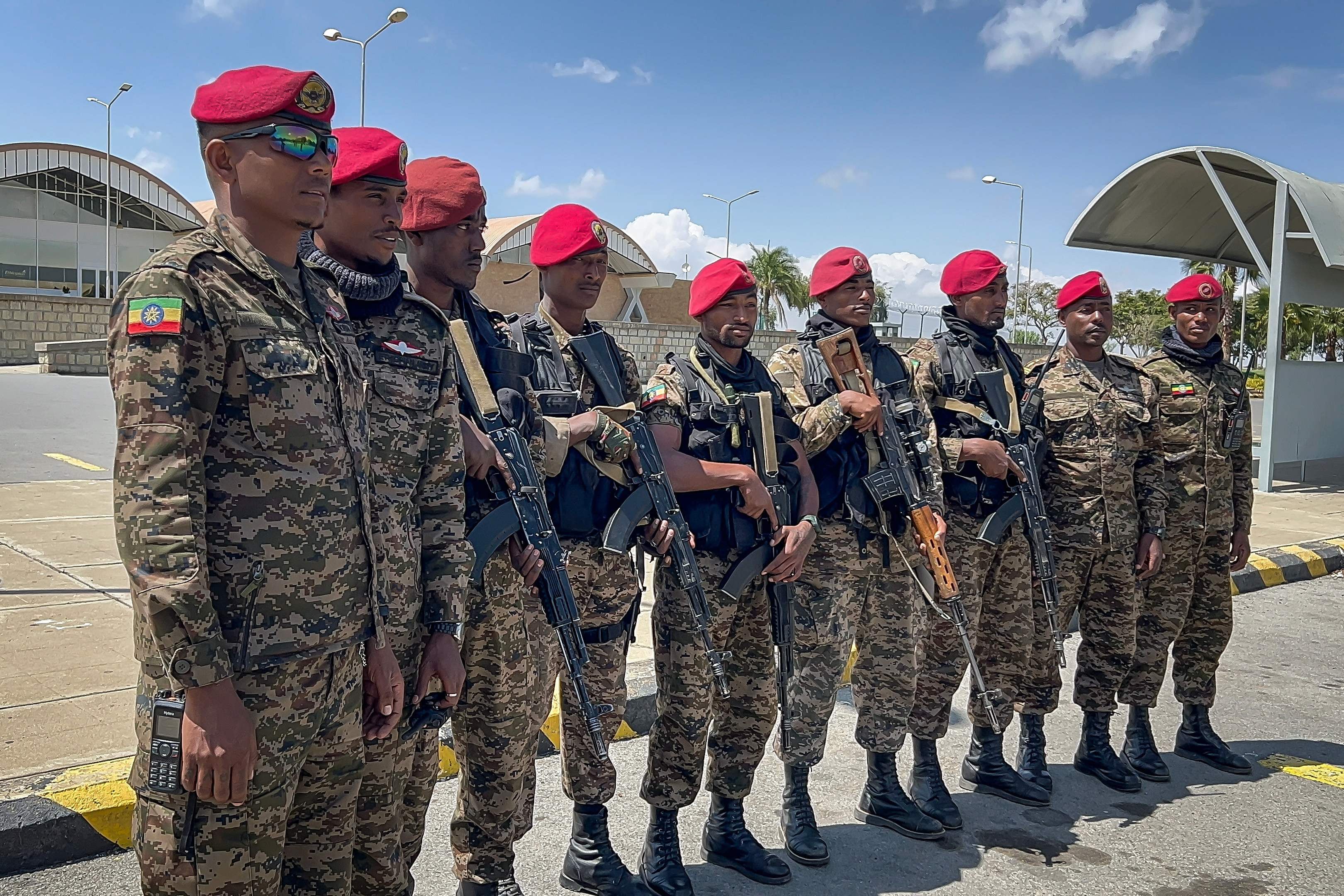
Federal forces and allied fighters counter-attacked and entered Mekelle, the region's capital, declaring full control by the following day. The TPLF acknowledged its retreat, stating its regional government would temporarily relocate from Mekelle. However, the conflict is far from over, with recent reports of air strikes and artillery exchanges.
Addis Ababa accuses Egypt, Eritrea, and Sudan of backing the rebellion, though none have confirmed these allegations. The Tigray region, bordering Eritrea and Sudan, has experienced ethnic and linguistic diversity, leading to potential tensions. Tigray was historically dominated by the TPLF, which controlled Ethiopia's ruling coalition for nearly three decades until Prime Minister Abiy came to power in 2018.
The TPLF retreated to Tigray as relations with the federal government deteriorated after they refused to join Abiy's new party. Tensions flared in November 2020 when Tigrayan forces attacked federal army bases, leading to a full-blown civil war. The fighting spread to neighboring regions, causing widespread violence, hunger, and the collapse of essential services.
A peace agreement signed in Pretoria in November 2022 halted the major fighting, but territorial disputes and Eritrea's involvement left the settlement incomplete. The TPLF's internal split, Abiy's appointment of a rival faction member, and the TPLF's revocation of the interim administration have fueled the renewed conflict.
Written by urgent.news from The National UAE's reporting — not their text. Machine-written — may contain errors; check the original before relying on it.
Also reported by 1 other outlet
- Why has war returned to Ethiopia? thenationalnews.com