Why America can’t build the iPhone
For six decades, I’ve worked on product design and manufacturing for companies such as Polaroid, Seiko, and Apple, as well as startups. When I worked at Polaroid and Apple, they still had their own factories and chose to go to Asia to build products. As noted in Patrick McGee’s bestseller Apple in China , I was responsible for bringing Apple’s first product to Taiwan in 1994. As a product design…
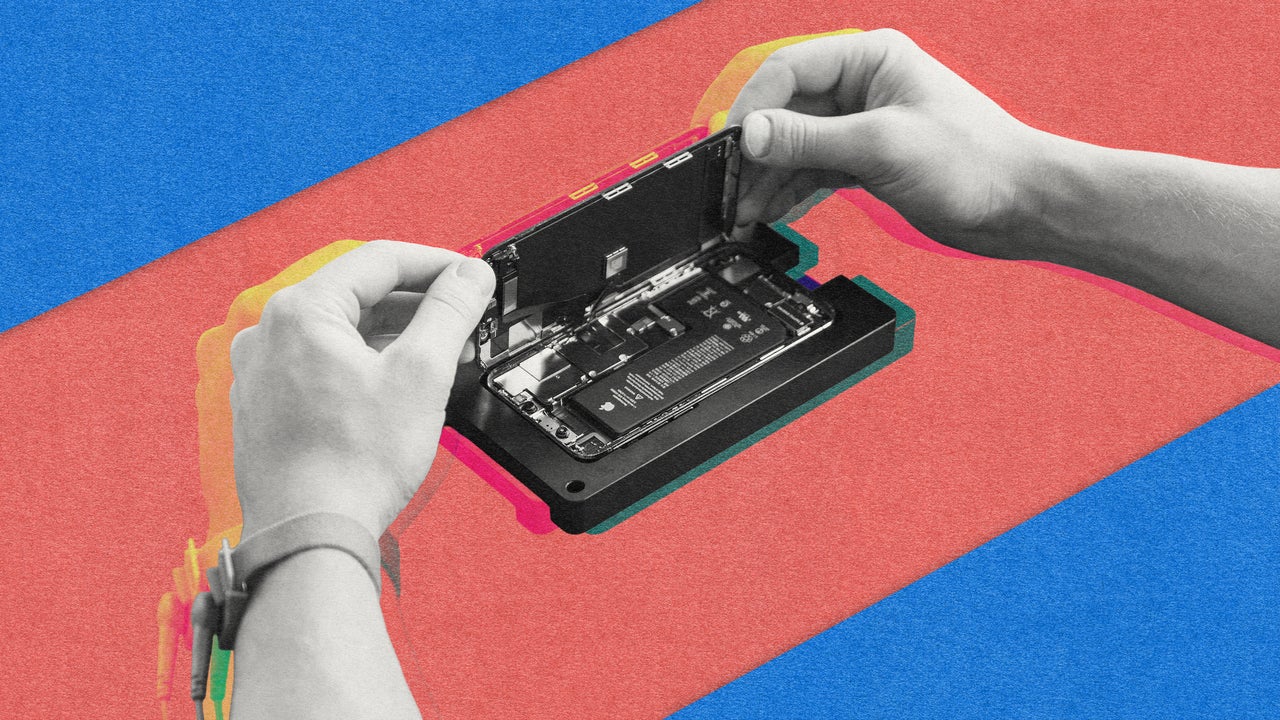
Throughout a six-decade career, the author has worked on product design and manufacturing for notable companies like Polaroid, Seiko, and Apple, as well as startups. During their time at Polaroid and Apple, the author was always responsible for determining where their products were manufactured, due to the significant impact manufacturing has on a product's success.
In the 1970s, the author brought manufacturing to Asia for Polaroid, a decision that deviated from the norm at the time. By the 1990s, when the author worked at Apple, the company had become somewhat late to the game in choosing Asia for manufacturing. Today, with mounting pressure on Apple to build iPhones in the U.S., the author knows, based on their experiences, that such a demand is unfeasible. The author believes that the U.S. lacks the necessary attitude, infrastructure, and resources to meet this expectation.
The U.S. has historically prioritized research and development, design, and innovation over low-margin manufacturing work, a focus that dates back to the Cold War era when government investment and incentives were directed toward aerospace and defense. This strategic shift has resulted in a manufacturing base dominated by contractors specializing in military specifications rather than consumer mass production.
U.S. manufacturing of consumer electronic products requires an infrastructure of suppliers, competitive labor costs, large workforces, and flexibility, elements that have allowed companies in China and Taiwan to dominate the global technology market. While China emerged as the primary manufacturer for the world, the U.S. gained innovation status through its close ties with these countries.
When the author joined Polaroid in 1966, they designed consumer cameras that sold millions yearly. The design process often involved delays, with small design tweaks requested months later. The author wondered why they were working hard to meet design schedules only to have to wait for product shipments. Analysts and industry leaders emphasized the importance of time to market as a critical factor for a product's success in competitive and fast-evolving markets.
This observation led the author to search for ways to expedite product delivery. Outsourcing manufacturing to companies with expertise in similar products appeared as a viable option, enabling earlier collaboration between manufacturing and design teams.
Initially, the author reached out to U.S.-based companies with manufacturing capabilities but found it challenging to secure interest from those focused on the defense industry. The author then turned to Japanese companies, which had been supplying some of Polaroid's components, offering them a chance to build the entire product. These Japanese companies delivered products months faster than the author's internal manufacturing organization, bringing speed, experience, and predictability to the process.
This pattern continued over the following decades, as the author worked at other companies. When Japan became too costly and less efficient, the author turned to Taiwan and later China as their manufacturing destinations. The U.S. could have developed similar manufacturing capacity over the years, especially after the Cold War, but never did.
Manufacturing was never considered a strategic need or glamorous. Consequently, the author believes that the U.S. cannot fulfill the demand for building iPhones domestically, as it lacks the necessary attitude, infrastructure, and resources to meet this expectation.
Written by urgent.news from Fast Company's reporting — not their text. Machine-written — may contain errors; check the original before relying on it.