When should you winterize your sprinklers — and how to do it right
Learn when to winterize your sprinkler system before the first hard freeze and the key steps to drain your lines to prevent costly repairs.
Winterizing your sprinkler system is crucial to avoid costly damage from frozen water. Leaving water in the lines can lead to shattered pipes, manifolds, and backflow assemblies, requiring costly repairs in the spring. To prevent this, it's best to winterize your sprinklers in mid-to-late fall, specifically one to two weeks before the first hard freeze in your area.
A hard freeze, defined as temperatures dropping to 28°F or lower for several hours, can quickly freeze water in shallow lines and exposed backflow preventers. Another indicator is when your lawn enters dormancy, typically when daily average temperatures consistently fall below 50°F, signaling that active watering is no longer needed.
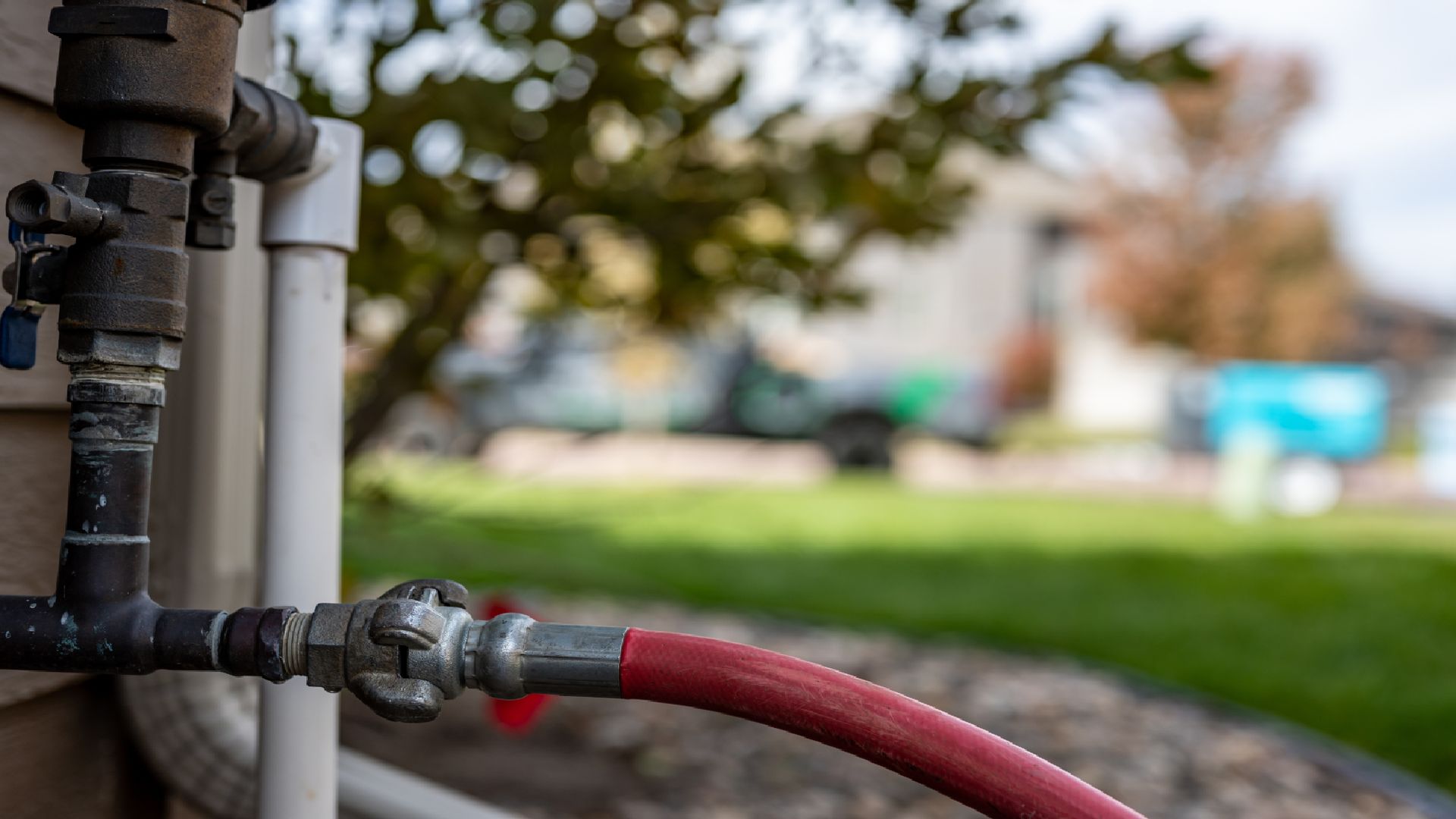
To properly winterize your sprinklers, begin by shutting off the main water valve, usually found in your basement, crawl space, or near your meter. Set your sprinkler controller to off or rain mode to preserve your settings without activating dry valves. Clear the water using a compressed air blowout, attaching a compressor to the blowout port downstream of the backflow preventer, and setting the pressure at 50 to 80 PSI to protect your pipes.
Run the air through one zone at a time for 1 to 2 minutes until only a fine mist is visible. Additionally, open any manual or automatic drain valves at the lowest points of the piping to let gravity empty the lines. Lastly, protect your above-ground backflow preventer by opening the test cocks, adjusting the ball valves to a 45-degree angle to prevent water from being trapped, and wrapping the unit in an insulated cover.
Written by urgent.news from Tom's Guide's reporting — not their text. Machine-written — may contain errors; check the original before relying on it.