When pregnancy fatigue is more than just tiredness
Feeling drained is common when expecting, but persistent exhaustion accompanied by other symptoms may point to iron deficiency anaemia.
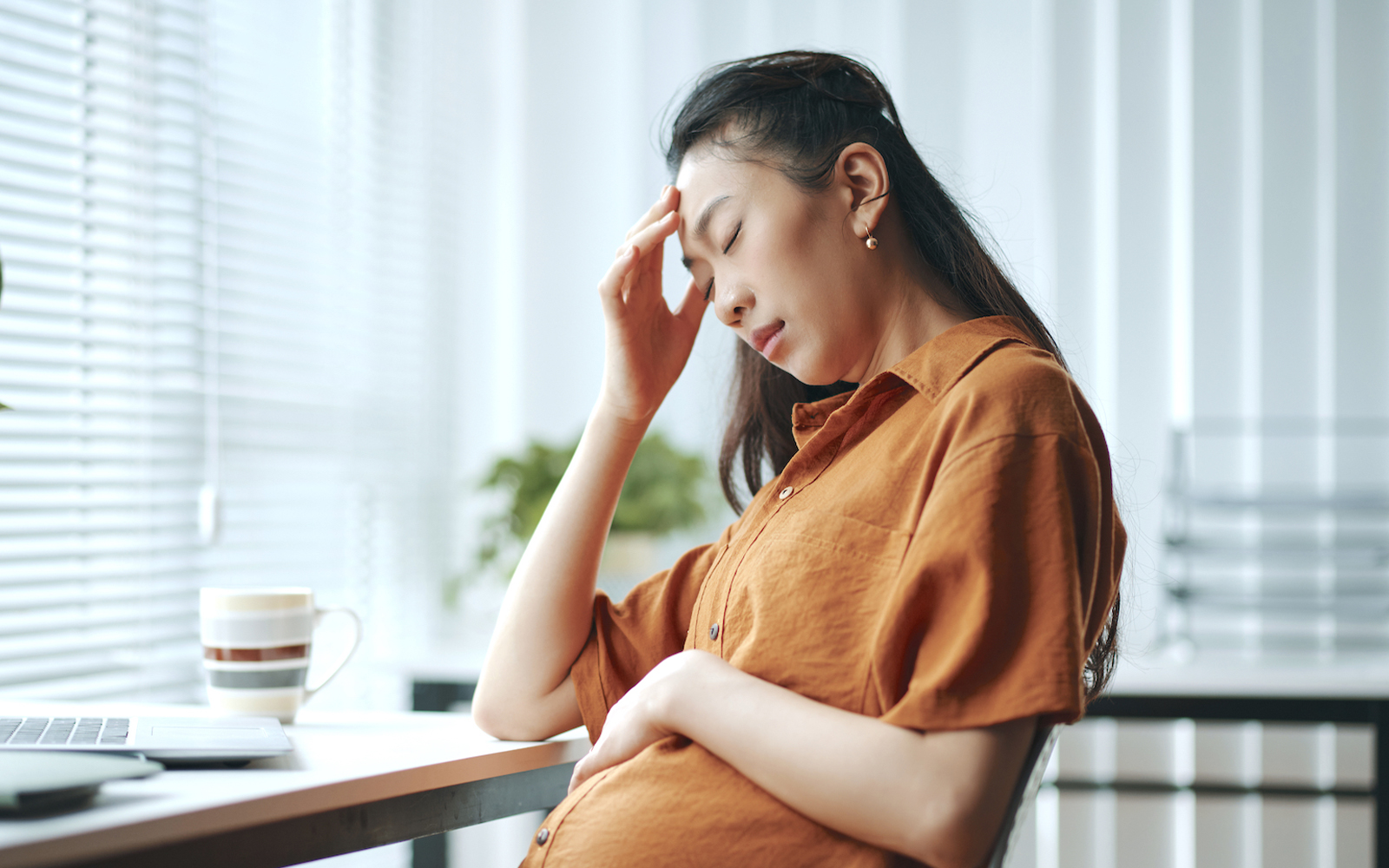
When pregnancy fatigue is more than just tiredness, it could be a sign of a deeper issue, particularly if accompanied by symptoms like dizziness, weakness, or shortness of breath. This persistent exhaustion may indicate anemia, a common and treatable condition that affects many pregnant women. Anemia during pregnancy is defined by low haemoglobin levels, though this can depend on the stage of pregnancy and other factors.
Iron deficiency is the most common cause, but other factors such as folate or vitamin B12 deficiency, blood loss, inflammation, or inherited blood disorders can also contribute.
Recognizing the difference between normal pregnancy symptoms and anaemia can be challenging, as the two often overlap. Early detection is crucial because iron deficiency can develop before anaemia becomes apparent. Routine antenatal care, including blood tests, is essential for identifying anaemia and determining whether iron deficiency is the cause or if another condition needs to be investigated.
For women in Malaysia, studies show that anaemia prevalence ranges from 19.3% to 57.4%, while iron deficiency ranges from 31.6% to 34.6%.
Iron deficiency anaemia (IDA) during pregnancy can lead to fatigue, reduced energy levels, and physical weakness, affecting both the mother's and baby's health. For the mother, IDA can impair energy levels, overall wellbeing, and physical functioning. Severe anaemia may also reduce the body's ability to cope with blood loss during childbirth.
For the baby, maternal anaemia and iron deficiency have been linked to preterm birth, low birth weight, and reduced neonatal iron stores. Adequate iron levels are also crucial for foetal development, particularly brain development.
While not all women with mild anaemia will experience complications, untreated iron deficiency may deplete iron stores and haemoglobin levels by delivery, leading to potential issues that can affect the postpartum period. To address this, Malaysia's antenatal care system routinely assesses haemoglobin levels, allowing for early detection and treatment.
If low haemoglobin is found, additional tests may be necessary to confirm if iron deficiency is the cause or if another condition requires attention. Treatment often involves iron and folic acid supplementation, along with a balanced diet rich in iron. However, diet alone may not always suffice once deficiency has developed. Therefore, it is vital for pregnant women to attend antenatal appointments, complete recommended blood tests, communicate persistent or disproportionate symptoms to their healthcare provider, and adhere to prescribed supplements.
Written by urgent.news from Free Malaysia Today's reporting — not their text. Machine-written — may contain errors; check the original before relying on it.
This story
This is one outlet's version. Read the fullest account.
- When pregnancy fatigue is more than just tiredness freemalaysiatoday.com