When pregnancy fatigue is more than just tiredness
Feeling drained is common when expecting, but persistent exhaustion accompanied by other symptoms may point to iron deficiency anaemia.
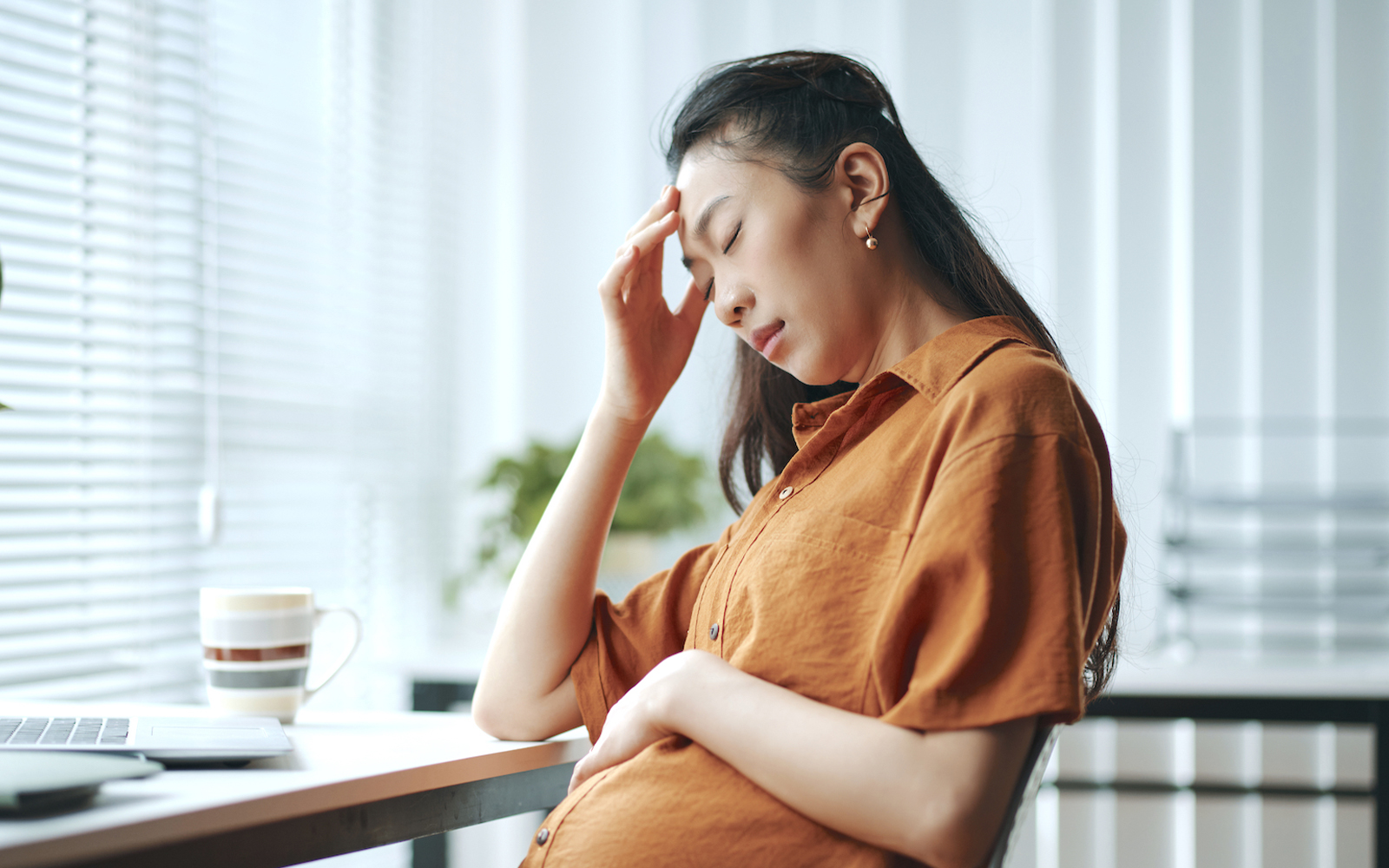
Pregnancy can bring about physical strain in various ways, both evident and subtle. Hormonal fluctuations, interrupted sleep, the burgeoning baby, and heightened bodily demands can all induce persistent fatigue. However, exhaustion may warrant further investigation, especially when it is prolonged, intense, or accompanied by symptoms like weakness, dizziness, shortness of breath, or heart palpitations.
One potential explanation is iron deficiency anaemia (IDA), a prevalent and manageable condition that can afflict pregnant women. The World Health Organization defines anaemia in pregnancy as a haemoglobin level below 11 g/dL, though interpretation may also hinge on the pregnancy's stage and other clinical aspects. Iron deficiency is the most frequent nutritional contributor, yet it is not the sole cause.
Deficiencies in folate or vitamin B12, blood loss, inflammation, and inherited blood disorders can also play a role, which is why symptoms alone are insufficient to make a diagnosis. The similarity between typical pregnancy symptoms and anaemia can render the latter difficult to discern. Persistent fatigue, particularly when coupled with breathlessness, weakness, dizziness, or palpitations, could suggest that haemoglobin levels or iron reserves have fallen below the body's requirements.
Crucially, iron deficiency can manifest prior to anaemia's onset. A woman might already be depleted of iron even while her haemoglobin remains above the diagnostic level, implying that early detection can prevent the condition from worsening. This underscores the significance of regular antenatal care. Blood tests can detect anaemia and, if necessary, ascertain whether iron deficiency is the root cause or if another condition necessitates further investigation.
Pregnancy intensifies the body's demand for iron due to the expansion of maternal blood volume, placental development, and fetal growth. For women who commence pregnancy with relatively low iron reserves, fulfilling that increased need can prove challenging, particularly as pregnancy advances. The issue is pertinent in Malaysia, where a systematic review of studies involving pregnant women revealed that anaemia prevalence ranged from 19.3% to 57.4%, while iron deficiency ranged from 31.6% to 34.6%.
Routine antenatal examinations and blood tests can aid in early detection of anaemia, facilitating the identification and appropriate treatment of the underlying cause. (Envato Elements pic) The review also pinpointed several factors associated with anaemia and iron deficiency, including late antenatal registration and failure to adhere to prescribed iron supplements consistently.
For the mother, IDA can impact energy levels, overall well-being, and physical performance. As the condition intensifies, it may impair the body's capacity to manage blood loss during childbirth, as a woman already anaemic possesses fewer physiological reserves. For the baby, maternal anaemia and iron deficiency have been linked to outcomes such as preterm birth, low birth weight, and diminished neonatal iron stores.
Adequate iron is crucial for fetal development, including brain development. This does not imply that every woman with mild anaemia will encounter complications; many will go on to have uneventful pregnancies. The concern is that untreated iron deficiency may deplete both iron stores and haemoglobin levels by the time of delivery, potentially affecting both mothers and newborns.
Early testing can make a difference. Malaysia's antenatal care system encompasses routine haemoglobin assessment, offering an opportunity to detect anaemia before symptoms become severe. If low haemoglobin is identified, additional testing may be required to confirm whether iron deficiency is the culprit or if another cause should be considered.
When recommended by a healthcare professional, iron and folic acid supplementation can aid in restoring or maintaining adequate levels. A balanced diet rich in iron-containing foods also plays a supportive role, though diet alone may not always suffice once deficiency has set in. For pregnant women, the practical advice is relatively uncomplicated: attend antenatal appointments, complete recommended blood tests, and discuss persistent or disproportionate symptoms rather than presuming they are merely part of pregnancy.
Prescribed supplements should also be taken as directed, especially as poor adherence can complicate the correction of declining iron stores.
Written by urgent.news from Free Malaysia Today's reporting — not their text. Machine-written — may contain errors; check the original before relying on it.
Other reports of this story
- When pregnancy fatigue is more than just tiredness freemalaysiatoday.com