What happens if the UN cannot agree on Antonio Guterres’s successor?
Less than three months before UN Secretary General Antonio Guterres's term expires, the Security Council has not decided who will succeed him, and the rules offer little guidance on what happens if the panel cannot agree on an applicant. Rebeca Grynspan of Costa Rica led the fourth straw poll last month with 10 “encourage” votes, three “discourage” votes and two “no opinions", but she remains…
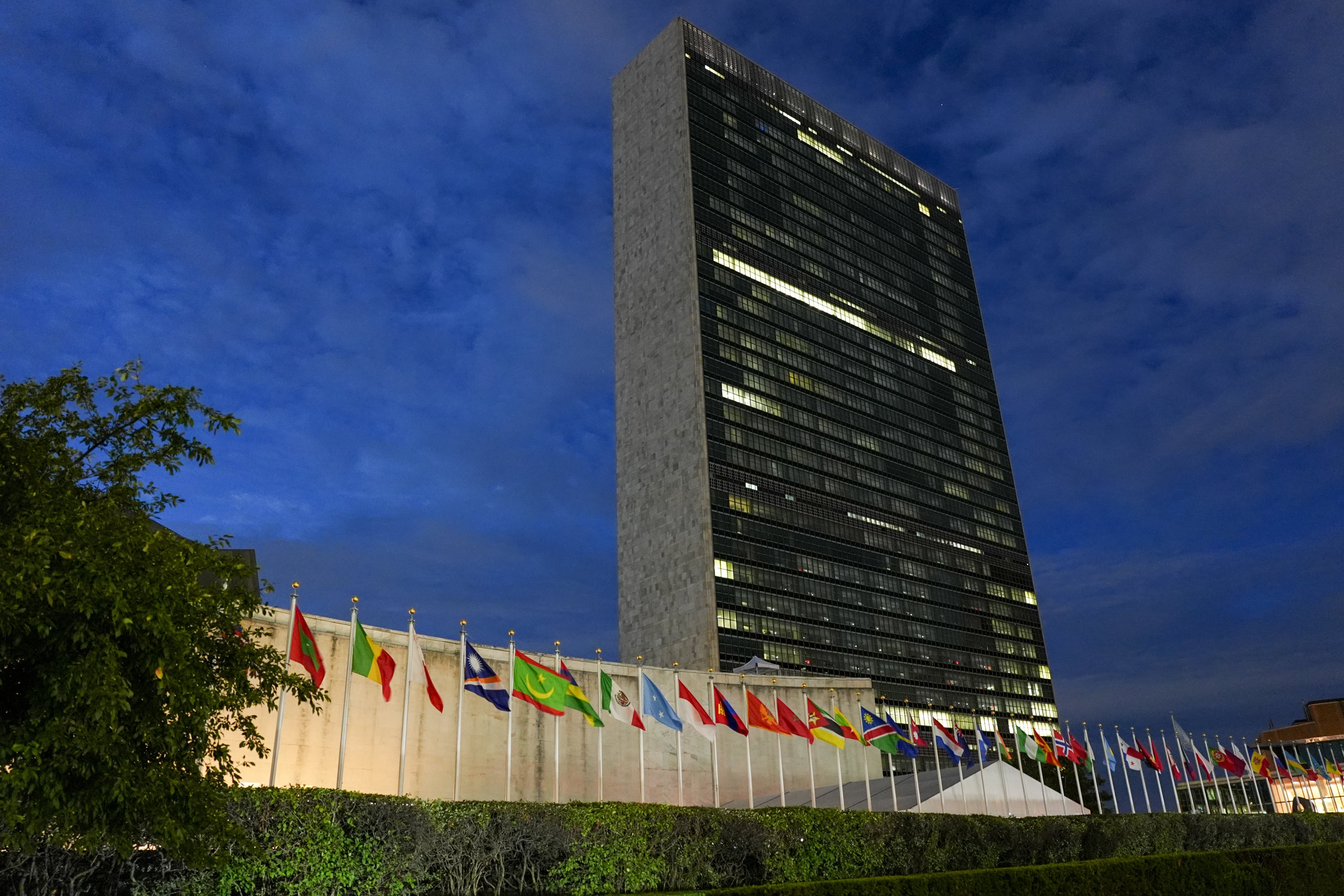
As the United Nations prepares to enter its 81st year, the Security Council has yet to reach a consensus on the appointment of its next Secretary-General. Antonio Guterres, who has served since 2017, is set to leave his post at the end of his second five-year term in December 2022, but no successor has been agreed upon. The Security Council must secure a unanimous vote in favor of a candidate, which requires the support of nine out of the fifteen members. Five of these members are permanent and wielding the power of a veto.
Rebeca Grynspan, Costa Rica's representative, led the most recent straw poll with 10 "encourage" votes, hinting at her candidacy. However, she falls short of the necessary nine votes and still lacks support from the five permanent members. The UN has not resorted to a color-coded ballot, which would disclose whether any of the veto-wielding members opposed a specific candidate.
If the Security Council cannot agree on a candidate, several scenarios might unfold. Richard Gowan, a global issues and institutions program director at the International Crisis Group, believes that Antonio Guterres may not desire to remain in office beyond his term's expiration. He also anticipates that the United States may oppose any extension of Guterres' tenure.
In such a case, the General Assembly could potentially take the matter into its own hands and appoint a new Secretary-General without the Security Council's recommendation.
Alternative candidates include Nickolay Mladenov, the head of the Board of Peace, and Lana Nusseibeh, the UAE Minister of State. However, the selection of a new candidate could lead to further uncertainty if the permanent members cannot reach a consensus. Diplomats have suggested that a temporary solution might involve senior UN officials overseeing the organization on an interim basis, although this option might not be popular among the Permanent Five (P5) members.
The closest precedent to this situation occurred in 1981 when the Security Council deadlocked for weeks over the appointment of Salim Salim of Tanzania, who was opposed by the United States. Eventually, Javier Pérez de Cuellar of Peru was selected in mid-December, less than three weeks before the term expired. The most recent close call came in 1996, when a dispute over Boutros Boutros-Ghali's second term led to Kofi Annan's appointment.
In the absence of a clear successor, questions arise about the UN's ability to navigate this challenging period. Some diplomats believe that a last-minute compromise is more likely than an empty chair, but the current state of the major powers raises concerns about the stability of the organization.
Written by urgent.news from The National Business's reporting — not their text. Machine-written — may contain errors; check the original before relying on it.
Also reported by 1 other outlet
- What happens if the UN cannot agree on Antonio Guterres’s successor? thenationalnews.com