Unusual stars may not owe their origins to hypernovae after all
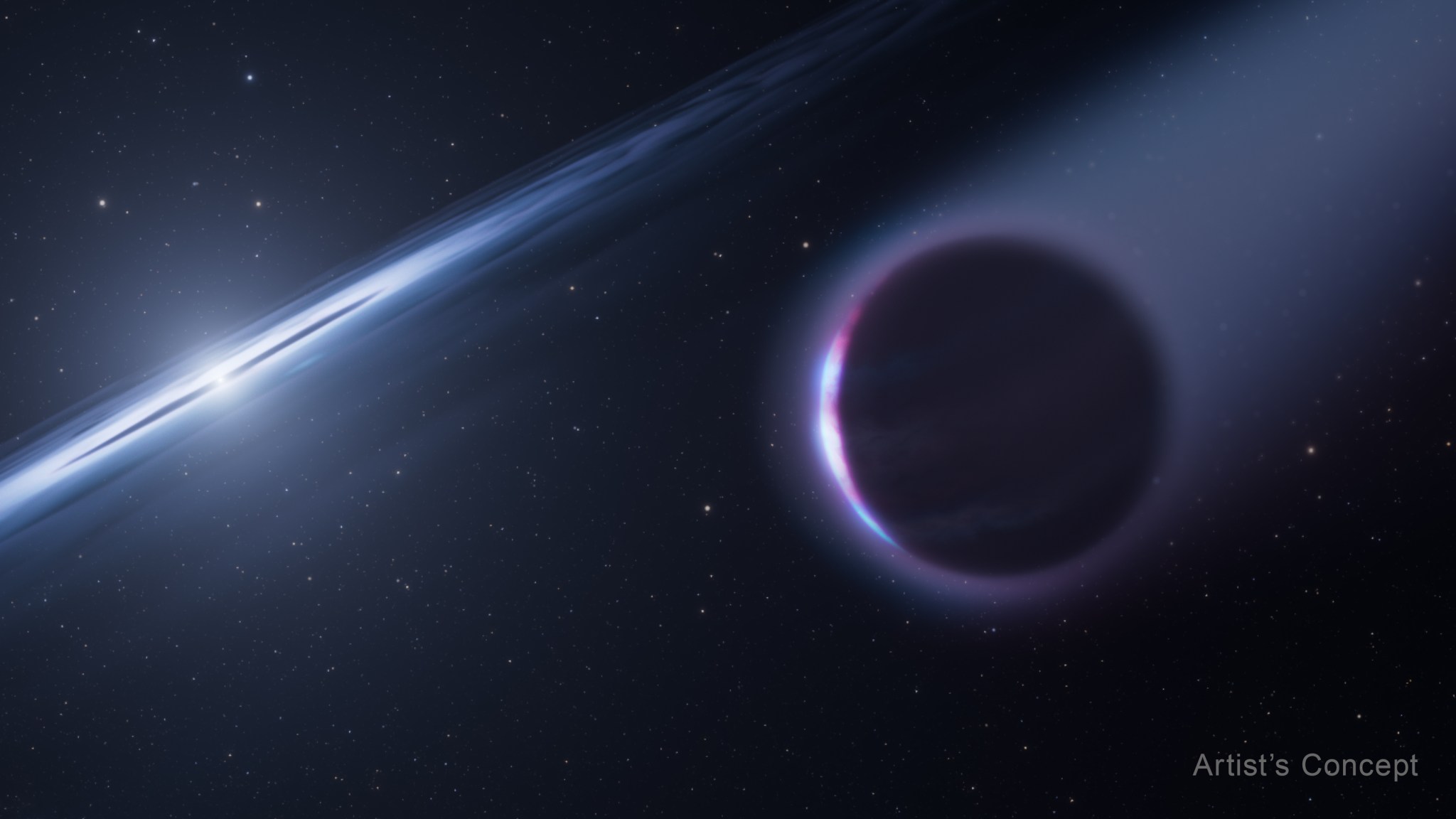
Evidence for hypernovae, theorized to be the most powerful explosions in the universe, has been disputed in two papers by University College London (UCL) researchers.

Two University College London researchers have published papers disputing the existence of hypernovae, theorized as the most powerful explosions in the universe. Their studies, published in the Monthly Notices of the Royal Astronomical Society, found that unusual stars in the Milky Way's halo and a neighboring dwarf galaxy could have formed from ordinary supernovae, not hypernovae.
The irregular manner in which material is ejected during a supernova, causing variations in the distribution of elements like oxygen and sulfur, was taken into account by researchers. This led them to conclude that stars with an unusual mix of ingredients were most likely formed from ordinary supernovae. One of the stars studied is a red giant in the Milky Way with a very peculiar chemical makeup, containing heavy elements such as silver and uranium, which can only be produced by neutron star mergers or hypernovae of highly magnetized massive stars.
However, the researchers found that this star could have formed from a neutron star merger combined with a single ordinary supernova, possibly in a dwarf galaxy where stars form more slowly and metal-poor stars can form later. These findings weaken the chemical evidence for hypernova origins in these stars.
Written by urgent.news from Phys.org's reporting — not their text. Machine-written — may contain errors; check the original before relying on it.