Opinion · Business
The Gulf’s next industrial revolution should be made across borders
This week, ministers, manufacturers and investors from across the Gulf gather in Bahrain for the inaugural Made in GCC Forum. The discussions range from artificial intelligence and advanced manufacturing to financing, regional value chains and supply-chain resilience . Yet, perhaps the most important question is contained in the forum’s name, but what does it really mean for something to be “Made…
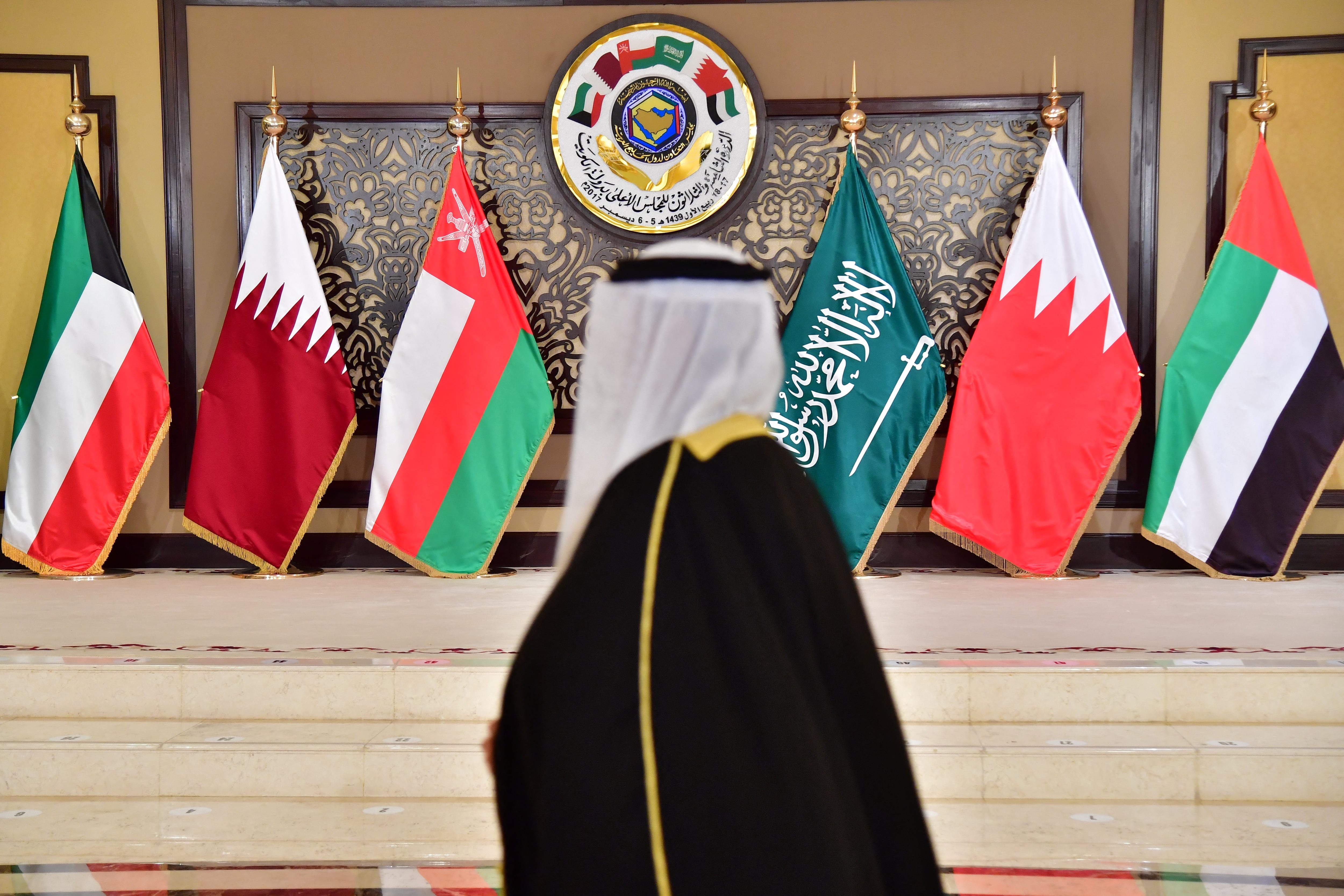
The inaugural Made in GCC Forum convenes ministers, manufacturers, and investors from across the Gulf this week in Bahrain. Among the critical topics, the forum's name raises a central question: what does "Made in the GCC" truly signify? Over the past two decades, Gulf nations have crafted ambitious national industrial strategies, resulting in advancements like advanced manufacturing in the UAE, Saudi, and Qatar; petrochemicals in Qatar; aluminum in Bahrain; and new minerals and logistics investments in Oman.
However, the region has yet to realize its full potential. If the Gulf were treated as a single economy, its combined gross domestic product (GDP) would rank ninth globally, surpassing Canada, Brazil, and Russia. With over 61.5 million people and an average GDP per capita of roughly $38,000, the region boasts significant financial resources, including $3.9 trillion in bank assets and over $4.5 trillion in sovereign wealth funds.
Despite these assets, the real potential lies in how the six economies can support one another. This concept is referred to as the GCC Full Potential. Geography further enriches this concept, positioning the Gulf between Asia, Africa, and Europe with access via several maritime routes. Ports in the Arabian Gulf connect the region eastward towards Asia, while Saudi Arabia's Red Sea ports access Africa, the Mediterranean, and Europe; and Oman's ports on the Arabian Sea offer direct access to the Indian Ocean.
Leveraging these geographic advantages, the Gulf could create an integrated industrial ecosystem where minerals, energy components, advanced manufacturing, and technology flow across borders. This approach would maximize efficiency, reduce costs, and enhance resilience against disruptions. Evidence suggests that cross-border investment yields substantial economic returns, often three times greater than domestic investments.
Moreover, a regional industrial marketplace could pool resources, skills, and infrastructure, creating a more robust and interconnected economic network. Rather than each country focusing on self-sufficiency, collaboration would enable a more dynamic and resilient industrial landscape.
Rewritten by urgent.news; may contain errors — check the original.
Source: thenationalnews.com